The residential solar industry in the United States has experienced unprecedented growth over the past decade, with millions of homeowners now generating their own clean energy. As electricity rates continue to rise and environmental concerns intensify, solar panels for home installations have emerged as one of the most effective ways to reduce monthly utility costs while contributing to a more sustainable future. This comprehensive guide explores everything homeowners need to know about residential solar technology, from understanding the basics to making informed purchasing decisions.
Understanding Residential Solar Panel Technology
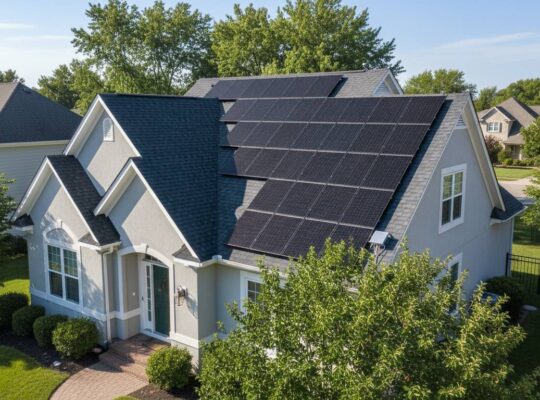
Modern solar panels for home use primarily utilize photovoltaic (PV) technology to convert sunlight into electricity. These panels consist of numerous solar cells made from silicon or other semiconductor materials that generate direct current (DC) electricity when exposed to photons from sunlight. An inverter then converts this DC electricity into alternating current (AC), which powers household appliances and can be fed back into the electrical grid.
The efficiency of residential solar panels has improved dramatically over the years. Current market-leading panels typically achieve efficiency ratings between 20% and 23%, compared to just 15% a decade ago. This advancement means homeowners can generate more power from smaller roof spaces, making solar viable for properties that previously lacked sufficient room for adequate energy production.
There are three main types of solar panels available for residential use: monocrystalline, polycrystalline, and thin-film. Monocrystalline panels offer the highest efficiency and longest lifespan, making them the most popular choice for homeowners willing to invest in premium products. Polycrystalline panels provide a more budget-friendly option with slightly lower efficiency, while thin-film panels offer flexibility for unconventional roof installations but generally come with reduced durability expectations.
The Financial Benefits of Installing Solar Panels for Home
One of the most compelling reasons homeowners choose solar panels for home installation is the significant reduction in electricity bills. According to the Solar Energy Industries Association, the average American household spends approximately $1,700 annually on electricity. With a properly sized solar panel system, homeowners can offset between 70% and 100% of their electricity consumption, resulting in annual savings of $1,200 to $1,700 or more depending on local electricity rates and system performance.
The financial equation has become even more attractive thanks to federal and state incentives. The federal Investment Tax Credit (ITC) allows homeowners to deduct 30% of their solar installation costs from their federal taxes, a benefit that has driven massive adoption across the country. Many states offer additional rebates, tax credits, or performance-based incentives that further improve the return on investment.
Net metering programs, available in most states, enable homeowners to sell excess electricity generated by their solar panels back to the utility grid. This arrangement essentially turns the electrical meter bidirectional, crediting homeowners for the power their systems produce during peak sunlight hours when they may be using less electricity than they generate. These credits can then be used to offset consumption during evening hours or cloudy days, maximizing the value of every kilowatt-hour produced.
Calculating Your Potential Savings and System Requirements
Before committing to solar panels for home installation, homeowners should accurately assess their energy consumption and roof conditions. A typical residential solar system ranges from 5 to 15 kilowatts, with the average system size hovering around 8 kilowatts. The appropriate system size depends on annual electricity usage, available roof space, local climate conditions, and the specific efficiency of the panels chosen.
Most utility companies provide at least 12 months of detailed usage data that serves as an excellent starting point for calculations. A general rule of thumb suggests that a 1-kilowatt solar system produces approximately 1,200 to 1,500 kilowatt-hours annually in most regions of the United States. Homeowners can divide their annual consumption by this figure to estimate the system size needed to meet their energy needs.
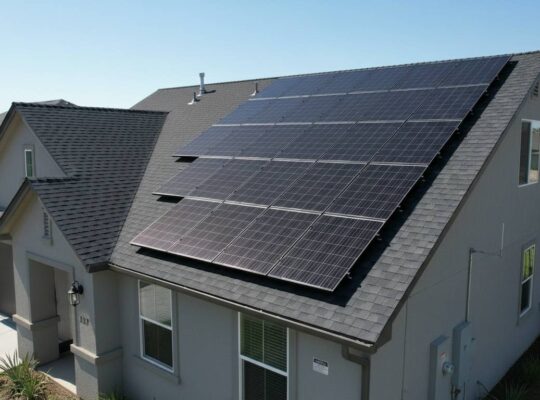
Roof orientation and pitch significantly impact system performance. In the northern hemisphere, south-facing roofs receive the most sunlight throughout the day and typically produce the highest energy yields. East and west-facing installations can still provide substantial savings but may produce 15% to 25% less energy than optimally positioned south-facing systems. Properties with significant shading from trees or nearby buildings may require additional panels to compensate for reduced output or may benefit from microinverters that optimize performance for individual panels.
The Installation Process and Timeline
The journey to solar panels for home ownership typically spans two to three months from initial inquiry to system activation. The process begins with a consultation and site assessment, during which solar installers evaluate roof conditions, shading, electrical panel capacity, and energy consumption patterns to recommend an appropriate system design.
Following the assessment, homeowners receive a detailed proposal including system specifications, estimated energy production, projected savings, financing options, and total costs. Once a homeowner approves the proposal, the installation company handles permitting, utility interconnection applications, and coordination with local building departments.
Professional installation usually takes one to three days depending on system size and roof complexity. The process involves mounting racking equipment to the roof structure, securing the solar panels, installing the inverter and monitoring system, and connecting everything to the home’s electrical panel. After installation, the system must pass inspection from local building authorities before the utility company can approve grid connection.
Maintaining Your Residential Solar Panel System
One of the many advantages of solar panels for home use is their relatively low maintenance requirements. Solar panels have no moving parts and are designed to withstand harsh weather conditions including hail, high winds, and extreme temperatures. Most manufacturers offer warranties spanning 25 to 30 years, reflecting the expected operational lifespan of quality equipment.
Routine maintenance primarily involves keeping panels free from debris, dust, pollen, and leaves that can reduce efficiency. In most regions, rainfall provides sufficient cleaning, though homeowners in drier climates or those surrounded by trees may benefit from occasional manual cleaning. Annual inspections by certified technicians can identify potential issues such as loose connections, inverter problems, or mounting concerns before they impact system performance.
Monitoring systems allow homeowners to track energy production in real-time through smartphone apps or web portals. Sudden drops in output often indicate equipment problems requiring professional attention. Most solar inverters include diagnostic capabilities that help technicians quickly identify and resolve issues, minimizing downtime and lost production.
Future Outlook and Technological Advancements
The residential solar industry continues evolving rapidly, with emerging technologies promising even greater efficiency and accessibility. Bifacial panels, which capture sunlight from both sides of the panel, can increase energy production by 10% to 20% compared to traditional single-sided designs. Similarly, advanced tracking systems that follow the sun’s path throughout the day can boost output by 25% or more, though these solutions typically work best for ground-mounted installations.
Battery storage integration represents another significant advancement in residential solar technology. Systems paired with home batteries such as the Tesla Powerwall or similar products can store excess solar energy for use during evening hours or power outages. This capability addresses one of solar energy’s traditional limitations—intermittent production—and allows homeowners to achieve greater energy independence from the utility grid.
Smart home integration is becoming increasingly sophisticated, with intelligent energy management systems automatically directing solar power to high-consumption appliances during peak production hours. These optimizations can further reduce electricity bills and maximize the return on solar investments.
Making an Informed Decision About Solar Panels for Home
Choosing to install solar panels for home represents a significant financial decision that requires careful consideration of multiple factors. Homeowners should obtain quotes from multiple reputable installers, comparing not just prices but also equipment quality, warranty terms, customer reviews, and company longevity. The lowest bid may not represent the best value if inferior equipment or inexperienced installation leads to premature system degradation.
Financing options have become increasingly flexible, with solar loans, leases, and power purchase agreements (PPAs) providing alternatives to upfront cash payment. Each arrangement carries different implications for ownership, tax benefits, and monthly costs, so homeowners should carefully evaluate which structure best aligns with their financial goals and circumstances.
Working with certified solar professionals ensures proper system design, installation, and permitting. The North American Board of Certified Energy Practitioners (NABCEP) credentials represent the industry’s highest standard for solar installers, and homeowners should prioritize working with certified professionals or companies employing certified technicians.
Frequently Asked Questions
How much do solar panels for home cost in the United States?
The average cost for a residential solar panel system in the United States ranges from $15,000 to $25,000 before incentives, depending on system size, panel quality, and installation complexity. After applying the 30% federal tax credit, the effective cost typically falls between $10,500 and $17,500. Many homeowners finance their systems through solar loans with monthly payments often lower than their existing electricity bills.
How long do residential solar panels last?
Quality solar panels for home use typically carry warranties of 25 to 30 years, and panels often continue producing electricity well beyond this period at reduced efficiency. Most manufacturers guarantee that panels will still produce at least 80% of their rated output at the end of the warranty period. Inverters usually require replacement after 10 to 15 years, representing the primary maintenance expense over the system’s lifetime.
Do solar panels work during cloudy days?
Solar panels still generate electricity on cloudy days, though output decreases to approximately 10% to 25% of their sunny-day production. The diffuse light that penetrates cloud cover still allows some energy generation. Additionally, net metering arrangements typically allow homeowners to draw from the grid during low-production periods and credit excess production during sunny periods to offset consumption.
Will solar panels increase my home’s value?
Studies consistently show that homes with solar panels for home installation sell for premium prices compared to similar properties without solar. According to research conducted by Zillow, homes with solar panels sell for approximately 4.1% more than homes without solar. This increase typically exceeds the net cost of the solar system, making solar installation a sound investment for homeowners planning to sell in the future.
What happens if my solar panels produce more electricity than I use?
When your solar panels for home generate more electricity than your household consumes, the excess power automatically flows back into the grid through net metering arrangements. Your utility company credits your account for this excess electricity, which offsets power you draw from the grid during evening hours or cloudy periods. At the end of the billing cycle, you typically pay only for net consumption beyond the credits earned.
Are there any drawbacks to installing solar panels for home?
While solar panels for home offer numerous benefits, potential drawbacks include upfront costs despite available incentives, dependence on sunlight availability, and the aesthetic change to your roof. Properties with significant shading, very small roofs, or older roofs requiring replacement may face additional challenges. Additionally, homeowners in some states may encounter utility rate structures or net metering policy changes that affect long-term savings projections.
The post Solar Panels for Home – Cut Your Electricity Bill in Half appeared first on aaenergys.