The transition to solar energy has accelerated dramatically across the United States, with residential solar installations growing by over 30% annually according to the Solar Energy Industries Association. As energy costs rise and environmental concerns intensify, homeowners increasingly turn to solar panel systems as a viable alternative to traditional grid power. This comprehensive installation guide provides step-by-step instructions, expert insights, and essential information for those considering a switch to renewable solar energy.
Understanding Solar Panel Systems
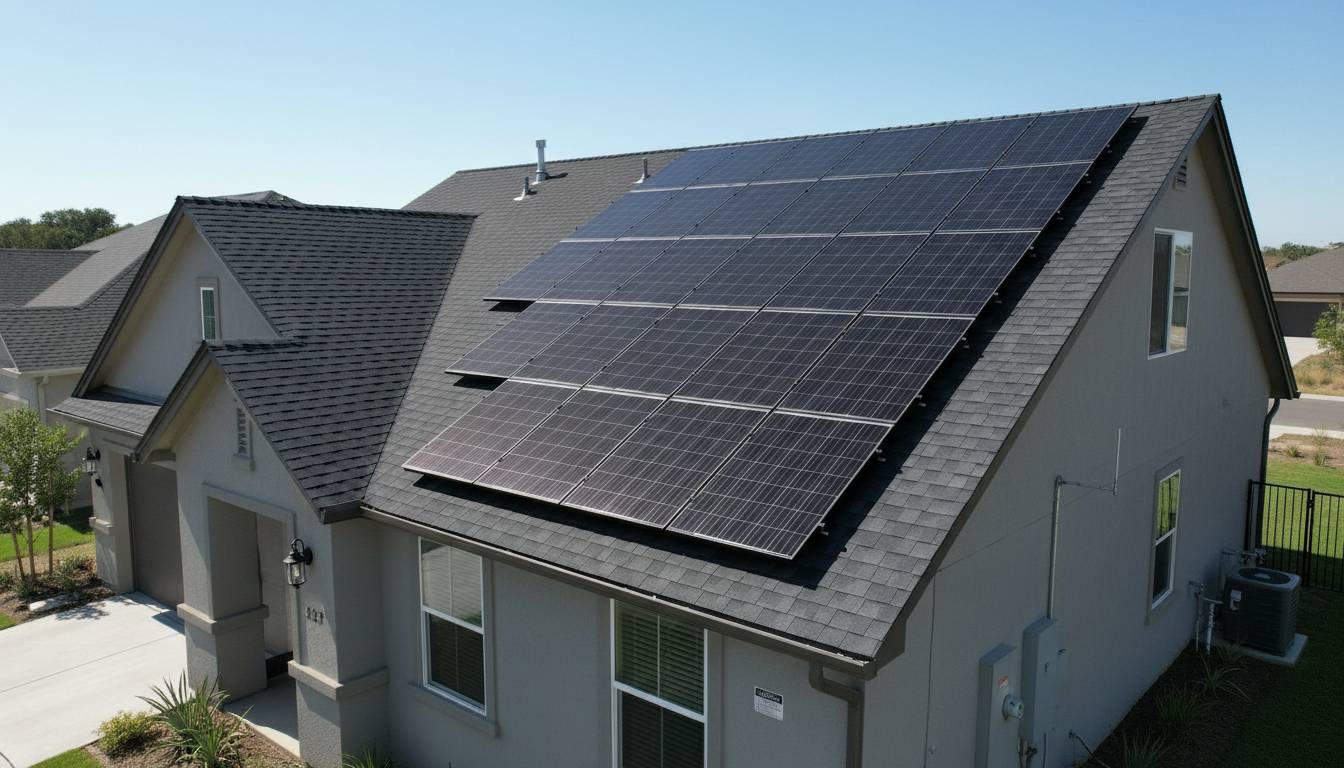
Before beginning the installation process, homeowners must understand the fundamental components of a residential solar panel system. A typical setup includes photovoltaic (PV) panels, an inverter, mounting hardware, wiring, and a monitoring system. The panels capture sunlight and convert it into direct current (DC) electricity, which the inverter then transforms into alternating current (AC) power suitable for home appliances.
According to the National Renewable Energy Laboratory, a standard residential solar panel system ranges from 5 to 10 kilowatts, depending on household energy consumption and available roof space. Most homeowners require approximately 100 square feet of roof area per kilowatt of solar capacity. Understanding these basics helps in planning a properly sized system that meets specific energy needs without overspending on unnecessary capacity.
The two primary panel types available for residential installation are monocrystalline and polycrystalline panels. Monocrystalline panels offer higher efficiency rates, typically between 17% and 22%, making them ideal for homes with limited roof space. Polycrystalline panels are more budget-friendly with efficiency ratings between 15% and 17%. Thin-film panels, while less common for residential use, provide flexibility for unique installation scenarios.
Assessing Your Home’s Solar Potential
Evaluating your property’s solar viability represents a critical first step before purchasing any equipment. Several factors determine whether your home receives sufficient sunlight to make solar installation worthwhile. The U.S. Department of Energy recommends assessing roof orientation, pitch, shading, and local climate conditions.
South-facing roofs provide optimal sun exposure in the Northern Hemisphere, though east and west-facing installations can still generate significant energy. Roofs with a pitch between 15 and 40 degrees typically offer the best angle for solar panel performance. Homeowners should examine their property for obstacles that create persistent shade, such as tall trees, neighboring buildings, or chimneys. Even partial shading during peak sunlight hours can reduce system output by 20% or more.
The Solar Access by State report indicates that regions with higher sun exposure, including California, Arizona, Nevada, and Florida, offer the most favorable return on investment. However, advances in panel technology have made solar viable even in less sunny climates. Many utility companies and third-party services offer free solar assessments that analyze your specific location and roof characteristics to determine potential energy production.
Financial Considerations and Incentives
Understanding the financial aspects of solar installation helps homeowners make informed decisions about system size, financing options, and expected returns. The average residential solar system costs between $15,000 and $25,000 after federal tax credits, though prices vary significantly based on location, system size, and equipment quality.
The federal Investment Tax Credit (ITC) allows homeowners to deduct 30% of their solar installation costs from federal taxes. This credit applies to both purchased systems and financed installations, providing substantial savings. Many states offer additional incentives, including rebates, tax credits, and solar renewable energy credits (SRECs) that can further reduce net costs.
Several financing options exist for homeowners who prefer not to pay upfront costs. Solar loans offer low interest rates and flexible terms, allowing payments to be offset partially or entirely by energy savings. Leasing arrangements require little to no money down, though they typically involve long-term contracts with escalator clauses that may increase monthly payments over time. Power Purchase Agreements (PPAs) allow homeowners to pay only for the electricity generated rather than owning the equipment.
The Installation Process
The actual installation involves several sequential steps that professional technicians typically complete over two to five days, depending on system complexity. Understanding this process helps homeowners prepare their property and know what to expect during installation.
Site Preparation and Roof Assessment: Installers first evaluate the roof structure to ensure it can support panel weight, typically 2 to 4 pounds per square foot. Any necessary repairs or reinforcements should be completed before solar installation begins. Installers also check electrical panel capacity and may recommend upgrades to accommodate the new system.
Mounting System Installation: Technicians attach mounting rails to the roof using flashing and lag bolts, ensuring watertight seals that prevent leaks. The mounting system must be precisely leveled and positioned to optimize panel angle and orientation. Proper installation at this stage directly impacts system performance and longevity.
Panel and Inverter Installation: Solar panels connect to the mounting rails using clamps specifically designed for each panel type. Installers wire panels together in series or parallel configurations based on system design and inverter specifications. The inverter, which converts DC to AC electricity, connects to the main electrical panel and typically installs near the existing utility meter.
Electrical Connections and Inspections: Licensed electricians complete all electrical connections, including ground fault protection and disconnect switches required by the National Electrical Code. Most jurisdictions require inspections by local building authorities before the system can be activated. Utility companies also conduct their own inspection before granting permission to connect the system to the grid.
Maximizing System Performance
Once installed, proper maintenance ensures optimal energy production throughout the system’s 25 to 30-year lifespan. While solar panels require minimal upkeep compared to traditional energy sources, several practices significantly impact performance.
Regular panel cleaning removes dust, pollen, leaves, and other debris that accumulate on the surface. In most regions, two to four cleanings per year suffice, though areas with high pollution or dust may require more frequent attention. Homeowners can clean panels themselves using a soft brush and water, or hire professional cleaning services for approximately $150 to $300 per session.
Monitoring system performance through provided software helps identify potential issues before they significantly impact energy production. Most modern systems include smartphone apps that display real-time output, historical trends, and alerts for unusual performance patterns. A sudden drop in energy production often indicates shading from new growth, equipment malfunction, or inverter problems requiring professional attention.
Choosing a Reputable Installer
Selecting a qualified installation company significantly impacts system quality, warranty protection, and long-term performance. The North American Board of Certified Energy Practitioners (NABCEP) offers certification programs that establish industry standards for solar installers.
Homeowners should obtain at least three quotes from different installers, comparing not only prices but also equipment brands, warranty terms, and projected energy production. The Better Business Bureau maintains ratings and customer reviews that provide insight into company reliability. Online forums and local solar enthusiast groups often offer recommendations based on firsthand experience.
Key questions to ask potential installers include: How long has the company been in business? What equipment brands do they use? Who handles warranty claims if problems arise? Do they provide ongoing maintenance services? Can they provide references from recent customers in your area?
Frequently Asked Questions
How long does it take to install residential solar panels?
Most residential solar installations take between one to three days to complete, depending on system size, roof complexity, and weather conditions. However, the entire process from signing a contract to system activation typically spans four to eight weeks, including permitting, equipment ordering, and utility approval.
Do solar panels work during cloudy days?
Yes, solar panels still generate electricity on cloudy days, though at reduced efficiency typically between 10% and 25% of their peak output. Modern panels capture diffuse light rather than only direct sunlight, making them functional in various weather conditions.
What happens if my roof needs repairs before installation?
A qualified solar installer will assess your roof’s condition during the initial evaluation. If repairs are needed, these should be completed before solar installation to avoid removing panels later for roof work. Many solar companies either offer repair services or can recommend qualified roofing contractors.
How long do solar panels last?
Most residential solar panels carry warranties of 25 to 30 years, with degradation rates of approximately 0.5% to 1% per year. Panels can continue functioning beyond their warranty period, though at slightly reduced efficiency. Inverters typically require replacement after 10 to 15 years.
Will I still receive an electric bill with solar panels?
Most grid-tied solar systems continue receiving utility bills, though amounts are significantly reduced or eliminated. Homes remain connected to the grid for times when solar production is insufficient, such as nighttime or stormy days. Net metering programs credit excess solar production back to homeowners, often resulting in zero or near-zero monthly bills.
Can I install solar panels myself?
While DIY solar installation is legally possible in some jurisdictions, it is generally not recommended for most homeowners. Professional installation ensures proper electrical connections, roof sealing, code compliance, and warranty protection. Improper installation can create safety hazards, void equipment warranties, and reduce system performance.
Conclusion
The decision to install solar panels represents a significant investment in both your home and the environment. By understanding system components, assessing your property’s solar potential, exploring financial incentives, and working with qualified professionals, homeowners can navigate the installation process with confidence. As technology continues improving and costs decline, solar energy becomes increasingly accessible for American households seeking to reduce energy expenses while contributing to a more sustainable future.