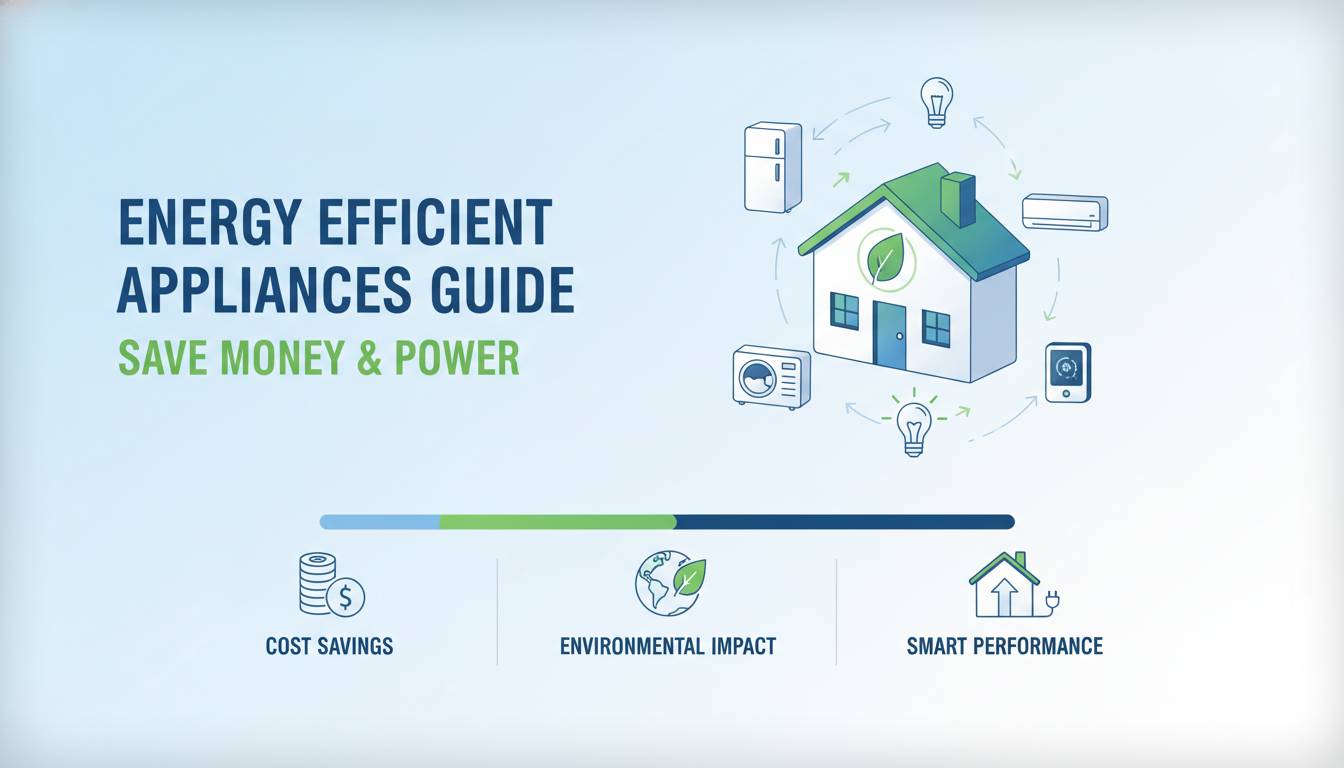
The average American household spends approximately $2,200 annually on utility bills, with nearly 40% of that energy consumed by home appliances. Switching to energy-efficient models can reduce these costs by 10-30% per year, depending on the appliance category and usage patterns. This comprehensive guide breaks down everything you need to know about selecting, purchasing, and maximizing energy-efficient appliances for your home.
Key Insights
– ENERGY STAR-certified appliances use 10-50% less energy than standard models
– Refrigerators account for about 9% of household energy use—choosing an efficient model saves $100-200 over its lifetime
– The initial investment in energy-efficient appliances typically pays back within 3-7 years through utility savings
– Water heating and HVAC systems consume the most energy, representing combined savings opportunities of 50% or more
What Makes an Appliance Energy Efficient
An energy-efficient appliance is designed to perform the same tasks while consuming less electricity, water, or gas than conventional models. The primary distinction lies in engineering advancements—improved insulation, more efficient motors, smart sensors, and optimized operational cycles that minimize waste.
The ENERGY STAR Standard
ENERGY STAR is a voluntary certification program established by the U.S. Environmental Protection Agency since 1992. Products bearing the ENERGY STAR label must meet strict energy efficiency criteria that typically exceed federal minimum standards by 10-25%. For example, an ENERGY STAR refrigerator uses at least 15% less energy than non-certified models, while certified washing machines use approximately 25% less energy and 33% less water per load.
Components That Drive Efficiency
Modern energy-efficient appliances achieve their savings through several key technologies. In refrigeration, improved compressor technology, better door seals, and advanced insulation reduce standby losses. Washing machines utilize precision water level sensors and more efficient drum designs that require less hot water. Dishwashers feature soil sensors that adjust cycle length and water temperature based on load cleanliness, avoiding unnecessary energy use.
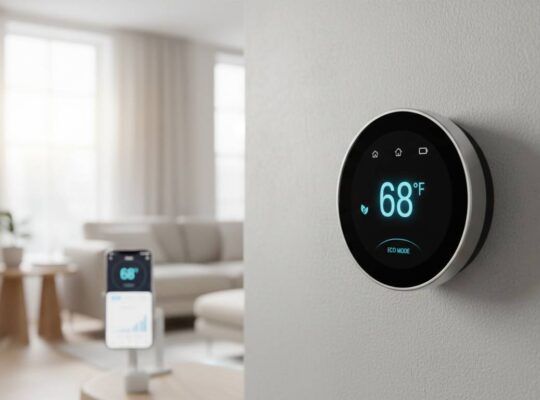
Smart appliances represent the next frontier in efficiency. WiFi-connected devices can schedule operations during off-peak electricity hours, learn usage patterns to optimize performance, and provide real-time energy consumption data through mobile apps. These features alone can reduce energy costs by 5-15% without any change in user behavior.
Financial Benefits: The True Cost of Inefficiency
The financial argument for energy-efficient appliances extends far beyond the purchase price. While ENERGY STAR models typically cost 10-20% more upfront, the lifetime operational savings substantially outweigh this initial premium.
Annual Operating Cost Comparison
| Appliance | Standard Model Annual Cost | ENERGY STAR Annual Cost | Potential Savings |
|---|---|---|---|
| Refrigerator (17 cu. ft.) | $85 | $65 | $20 (23%) |
| Dishwasher | $65 | $45 | $20 (31%) |
| Washing Machine | $70 | $50 | $20 (29%) |
| Central AC (3-ton) | $425 | $340 | $85 (20%) |
| Gas Furnace (80% AFUE) | $1,050 | $840 | $210 (20%) |
Source: U.S. Department of Energy, 2023
Lifetime Savings Projections
When evaluating long-term value, the numbers become compelling. A new refrigerator lasts approximately 13 years. A standard model might cost $1,105 in electricity over that period, while an ENERGY STAR equivalent costs roughly $845—a savings of $260. Factor in the higher purchase price of the efficient model, and net savings remain significant.
For major systems like HVAC, the math becomes even more pronounced. Replacing a 10-year-old central air conditioner with an ENERGY STAR model saves approximately $85 annually. Over a 15-year lifespan, that’s $1,275 in utility savings against a typical price premium of $300-500 for the efficient unit.
Rebates and Tax Incentives
Beyond utility bill savings, consumers can access additional financial benefits through rebates and incentives. Many utility companies offer $50-200 rebates on ENERGY STAR appliances, particularly for refrigerators, washing machines, and HVAC equipment. The federal government extended residential energy efficiency tax credits through 2032, allowing homeowners to claim up to $3,200 annually for qualifying improvements, including certain energy-efficient appliances.
Choosing the Right Energy-Efficient Appliances
Selecting the most efficient appliance requires understanding your household’s specific needs and evaluating multiple factors beyond just the ENERGY STAR label.
Refrigerator Selection Criteria
Refrigerators run continuously, making efficiency particularly valuable. When shopping, consider these factors:
Size and Configuration
A larger refrigerator consumes more energy. Side-by-side models typically use 10-15% more than top-mounted freezer designs due to the more complex refrigeration requirements of the freezer compartment. French door refrigerators offer a middle ground but prioritize convenience over efficiency.
Placement Matters
Leaving adequate space around the refrigerator—specifically 1-2 inches on sides and 2 inches behind—allows proper air circulation for the condenser coils. Poor placement can increase energy consumption by 10-15%.
Features vs. Efficiency
Water dispensers, ice makers, and through-the-door configurations add convenience but also add energy consumption. A built-in ice maker can increase refrigerator energy use by 14-20%. Evaluate whether these features justify the additional operating costs.
Washing Machine Efficiency
Front-loading washing machines consistently outperform top-loaders in efficiency. They use 25-40% less water, which directly reduces the energy required to heat that water. When selecting a front-loader, look for models with high efficiency (HE) certification and consider the following:
Capacity Considerations
Washing full loads maximizes efficiency. Selecting a machine with appropriate capacity for your household prevents running half-loads that waste water and energy. For a family of four, a 4.5-5.5 cubic foot capacity typically provides optimal efficiency.
Spin Speed Impact
Higher spin speeds extract more water from clothes, reducing drying time. While this uses slightly more energy during washing, the overall reduction in dryer cycles typically results in net savings.
HVAC System Efficiency
Heating and cooling represent the largest energy expense in most homes, making HVAC efficiency critically important.
SEER Ratings Explained
The Seasonal Energy Efficiency Ratio (SEER) measures air conditioner efficiency. Current federal minimum is 14 SEER, but ENERGY STAR requires 15 SEER for split systems. High-efficiency models reach 18-25 SEER, delivering 20-30% greater efficiency than minimum-standard units.
Heat Pump Advantages
Heat pumps provide both heating and cooling by transferring heat rather than generating it through combustion. Modern heat pumps can achieve 300-400% efficiency—producing 3-4 units of heat for every unit of electricity consumed. For moderate climates, they represent the most efficient heating option available.
Proper Sizing Critical
Oversized HVAC systems cycle on and off frequently, reducing efficiency and comfort while increasing wear. Professional load calculation using Manual J methodology ensures properly sized equipment for your specific home.
Real-World Savings: Case Studies
Understanding how other households achieved savings provides practical guidance for your own efficiency journey.
Case Study 1: The Johnson Family Upgrade
The Johnsons, a family of four in Ohio, replaced all major appliances over 18 months. Their 1970s-era refrigerator, 2008 dishwasher, and 12-year-old washer were consuming excessive energy.
Results after one year:
– Old refrigerator: 1,800 kWh/year → New ENERGY STAR: 450 kWh/year
– Old dishwasher: 400 kWh/year → New ENERGY STAR: 270 kWh/year
– Old washer: 400 kWh/year → New HE front-loader: 130 kWh/year
Annual savings: 1,850 kWh, approximately $250 at Ohio’s average electricity rate. The total investment of $2,800 in new appliances, after accounting for a $350 utility rebate, will pay back in under 10 years through utility savings alone—plus they gained modern features and reliability.
Case Study 2: HVAC Transformation in Texas
The Martinez family in Houston replaced their 15-year-old 10 SEER air conditioner with an 18 SEER variable-speed system and added a smart thermostat.
Results:
– Previous summer cooling costs: $420/month average (June-September)
– First summer with new system: $275/month average
– Seasonal savings: $580 per summer
Combined with a $200 utility rebate and federal tax credit, the $3,200 investment paid back in under six years while dramatically improving home comfort and air quality.
Common Mistakes When Purchasing Energy Efficient Appliances
Avoiding these pitfalls ensures your efficiency investments deliver expected returns.
| Mistake | Impact | Solution |
|---|---|---|
| Buying oversized appliances | 15-25% higher energy use | Match capacity to actual household needs |
| Ignoring placement requirements | 10-15% efficiency loss | Maintain recommended clearances |
| Not checking ENERGY STAR QR code | May purchase non-certified model | Verify certification at energystar.gov |
| Selecting based solely on purchase price | Higher lifetime costs | Calculate total cost of ownership |
| Skipping professional installation | 10-20% efficiency reduction | Hire certified installers for HVAC, plumbing |
Myth vs. Reality
Myth: Running appliances at night saves money because electricity rates are lower.
Reality: Time-of-use rates vary by utility and region. While some areas offer significant overnight discounts, many have shifted to peak pricing during afternoon hours. Smart appliances can optimize timing automatically, but manual scheduling requires understanding your specific rate structure.
Myth: Older ENERGY STAR appliances are still efficient.
Reality: ENERGY STAR standards have tightened over time. A refrigerator certified in 2015 may not meet current 2024 requirements. When possible, purchase recently certified models to ensure maximum efficiency.
Expert Insights on Maximizing Appliance Efficiency
Industry professionals emphasize that equipment selection is only part of the efficiency equation.
Dr. Sarah Chen, Building Scientist at Lawrence Berkeley National Laboratory
“The biggest efficiency gains come from proper installation and maintenance. A perfectly efficient air conditioner installed incorrectly can lose 20% of its efficiency. Similarly, dirty filters in any forced-air system force equipment to work harder, consuming more energy.”
Mark Thompson, HVAC Program Manager at ENERGY STAR
“Smart thermostats are the single most cost-effective efficiency investment for most homeowners. The average user saves 10-12% on heating and cooling costs through automated scheduling and learning features—often paying for themselves in under two years.”
Jennifer Walsh, Consumer Reports Appliance Editor
“When comparing models, look beyond the yellow EnergyGuide label. Consider the estimated annual operating cost and your specific usage patterns. A dishwasher with excellent efficiency ratings might not be the best choice if your household runs multiple small loads daily.”
Frequently Asked Questions
How much can I realistically save by switching to energy-efficient appliances?
Most households save $100-400 annually by replacing outdated appliances with ENERGY STAR models, depending on which appliances you replace and how old your current equipment is. The savings compound when replacing multiple major appliances. A complete kitchen and laundry room upgrade can reduce appliance-related energy costs by 30-50%.
Are ENERGY STAR appliances worth the higher purchase price?
Yes, in most cases. The typical payback period for ENERGY STAR appliances is 3-7 years through utility savings, and many appliances last 10-20 years. Combined with available rebates and tax credits, the lifetime value significantly exceeds the initial premium. The added reliability and modern features provide additional benefits beyond efficiency.
Which appliances should I prioritize for energy efficiency upgrades?
Start with HVAC systems and water heaters, which account for over 50% of home energy use. Refrigerators are the next priority since they run continuously. Washing machines and dishwashers offer excellent returns because they reduce both electricity and water consumption. Even if your current appliances still function, anything over 10-15 years likely warrants consideration for replacement.
Do smart appliances actually save more energy than standard ENERGY STAR models?
Smart appliances can provide an additional 5-15% savings through features like load-sensing, optimal cycle scheduling, and remote monitoring. The ability to run appliances during off-peak hours when utility rates are lower offers additional savings in regions with time-of-use pricing. However, smart features add cost, so evaluate whether the premium makes sense for your situation.
How long do energy-efficient appliances typically last?
Most major appliances last 10-20 years, with proper maintenance. Refrigerators often reach 13-15 years, washing machines 10-12 years, dishwashers 9-12 years, and HVAC systems 15-20 years. Energy-efficient models tend to have longer lifespans because their components operate under less stress.
What maintenance is required to maintain appliance efficiency?
Regular maintenance is essential. Clean refrigerator coils annually, replace water filters as recommended, and clean dishwasher filters monthly. For HVAC systems, change filters every 1-3 months and schedule professional maintenance annually. These simple tasks maintain efficiency ratings and extend equipment life.
Conclusion
Investing in energy-efficient appliances represents one of the most reliable financial decisions homeowners can make. The combination of immediate utility savings, available rebates and tax incentives, increased reliability, and environmental benefits creates compelling returns on investment.
Start by evaluating your oldest, most frequently used appliances—typically the refrigerator and HVAC system. Research ENERGY STAR-certified models that match your household size and usage patterns. Take advantage of utility company rebates and federal tax credits to reduce upfront costs. Remember that proper installation and regular maintenance are just as important as the initial purchase decision.
The path to lower utility bills and reduced environmental impact begins with informed choices. Energy-efficient appliances deliver measurable, lasting benefits that compound over time, making your home more comfortable, more affordable to operate, and more sustainable for the future.