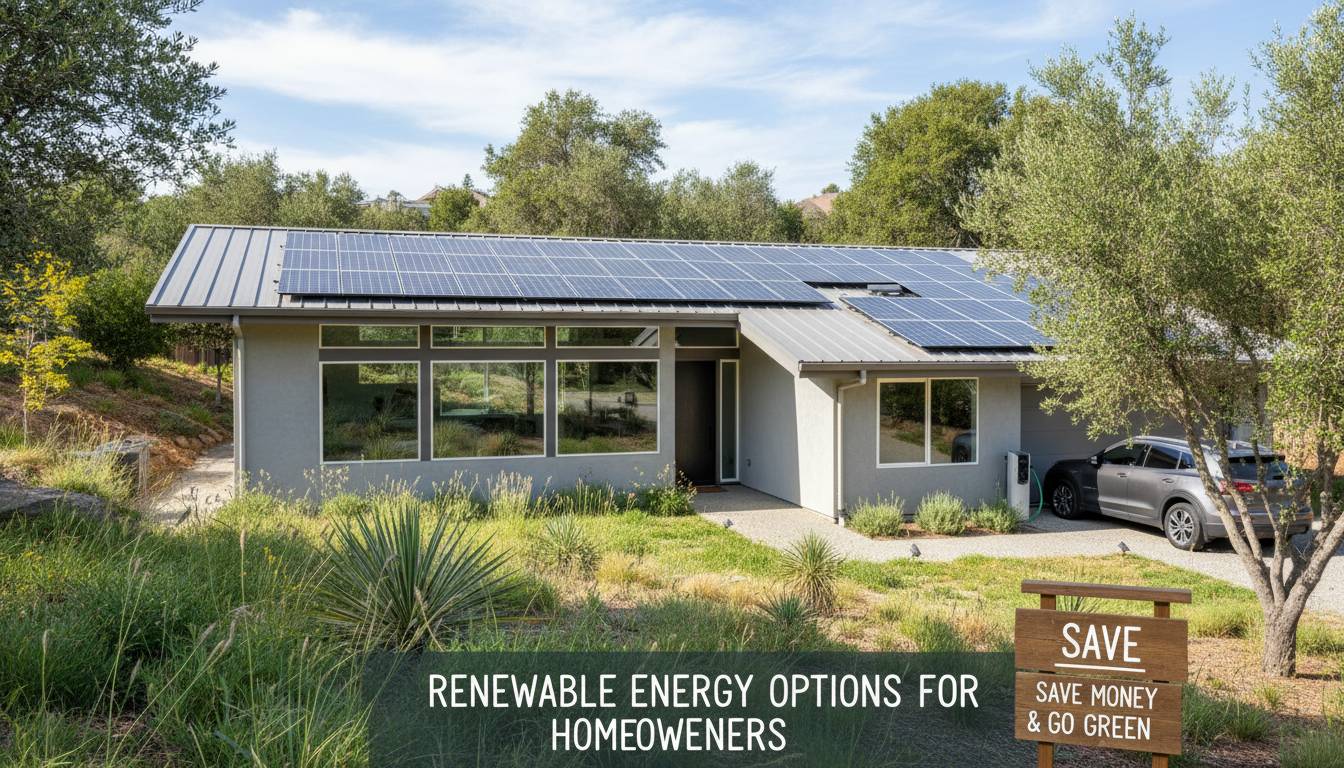
Transitioning to renewable energy represents one of the most significant decisions homeowners can make in the twenty-first century. With electricity prices climbing an average of 5% annually over the past decade and climate concerns intensifying, millions of American households are exploring ways to reduce their carbon footprint while simultaneously lowering their monthly utility bills. The good news? Renewable energy options for homeowners have never been more accessible, affordable, or efficient. This comprehensive guide examines every viable option, from rooftop solar panels to geothermal heat pumps, providing the data and practical steps you need to make an informed decision for your home.
Why Homeowners Are Making the Switch
The financial case for residential renewable energy has grown substantially stronger in recent years. The average U.S. household spends approximately $2,000 annually on electricity, according to the U.S. Energy Information Administration, and this figure continues trending upward. Simultaneously, the cost of renewable energy technologies has plummeted—by 2023, solar panel costs had dropped more than 90% since 2010, making residential solar the most affordable source of electricity in history for many regions.
Beyond economics, environmental motivation drives significant consumer interest. Residential energy consumption accounts for roughly 20% of U.S. carbon emissions, and homeowners increasingly seek ways to reduce their personal environmental impact. The convergence of these factors—financial savings and environmental responsibility—has created unprecedented demand for residential renewable solutions.
Federal incentives have also evolved dramatically. The Inflation Reduction Act of 2022 extended and expanded the Residential Clean Energy Credit, allowing homeowners to claim up to 30% of installation costs as a tax credit through 2032. This policy shift alone has accelerated adoption rates, with residential solar installations increasing 40% year-over-year since the legislation passed.
Primary Renewable Energy Options for Residential Properties
Homeowners today have multiple renewable pathways, each with distinct advantages, installation requirements, and return-on-investment profiles. Understanding these options requires examining them individually while considering how they might work together in a comprehensive home energy strategy.
Rooftop Solar Photovoltaic Systems
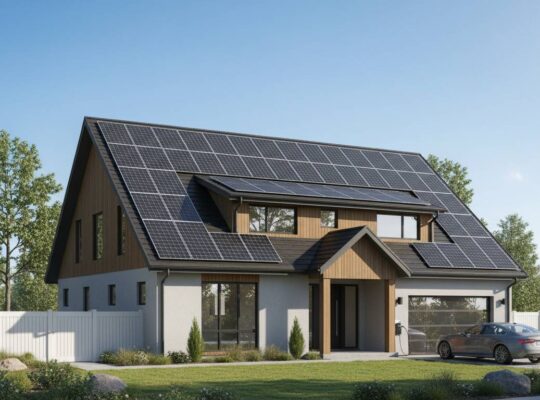
Solar photovoltaic (PV) systems remain the most widely adopted residential renewable technology in the United States. These systems convert sunlight directly into electricity using panels installed on rooftops or ground-mounted arrays. A typical residential system ranges from 5 to 15 kilowatts, depending on household energy consumption and available space.
The technology works when photons from sunlight knock electrons loose from silicon cells within the panels, generating direct current (DC) electricity. An inverter then converts this to alternating current (AC) usable by home appliances. Modern panels achieve 20-22% efficiency rates, meaning they convert that percentage of captured sunlight into usable electricity—a remarkable improvement from the 15% rates common just a decade ago.
Financial returns vary significantly by location. Homeowners in sun-drenched states like California, Arizona, or Florida can expect system paybacks within 6-8 years, while those in northern climates might wait 10-14 years. However, net metering policies—which credit homeowners for excess electricity sent back to the grid—substantially improve economics in most regions. The average American solar homeowner saves between $20,000 and $30,000 over a system’s 25-year lifespan.
Consider the experience of Jennifer Chen, a homeowner in Sacramento, California. After installing a 7.2-kW solar system in 2021, her monthly electricity bills dropped from $280 to approximately $30—a $250 monthly savings. “The math made sense immediately,” Chen explained. “Combined with the federal tax credit, I calculated I’d break even in about five years. Three years in, I’m already ahead of projections.”
Solar Water Heating Systems
Distinct from photovoltaic panels, solar water heating systems use thermal collectors to warm water directly for domestic use. These systems prove particularly effective in households with high hot water demand—families with multiple occupants, homes with jacuzzis or pools, or properties using electric water heaters as their primary hot water source.
Active solar water heating systems use pumps to circulate heat-transfer fluid through collectors, while passive systems rely on natural convection. Active systems generally perform better in colder climates but require more components and maintenance.
The average household spends $400-600 annually heating water, making solar water heating an attractive supplement or alternative to traditional water heaters. A properly sized system can meet 50-80% of a home’s hot water needs, with the remainder handled by a backup conventional heater.
Installation costs range from $2,000 to $5,000 after federal incentives, with typical payback periods of 4-8 years depending on utility rates and available sunlight.
Geothermal Heat Pump Systems
Geothermal heat pumps (also called ground-source heat pumps) represent the most efficient heating and cooling technology available for residential applications. These systems leverage the relatively constant temperatures underground—typically 45-60°F regardless of season—to provide heating, cooling, and hot water generation.
The technology works by circulating fluid through underground loops installed beneath the property. In winter, the system extracts heat from the ground and transfers it indoors; in summer, it reverses the process, removing heat from the home and depositing it underground. This approach achieves coefficient of performance (COP) ratings of 4-5, meaning for every unit of electricity consumed, the system delivers 4-5 units of heating or cooling energy.
The U.S. Environmental Protection Agency has called geothermal heat pumps the “most efficient heating and cooling technology available today.” While installation costs run higher than traditional HVAC systems—typically $15,000 to $30,000 for a complete residential installation—the energy savings often exceed 70% compared to conventional systems. Most homeowners recover their investment within 8-15 years, with the systems lasting 25 years or longer for the indoor components and 50+ years for the underground loops.
Sarah and Michael Rodriguez installed a geothermal system in their 2,400-square-foot home in suburban Denver in 2020. “Our previous natural gas furnace and central air were costing us about $3,200 annually for heating and cooling,” Sarah Rodriguez noted. “The geothermal system brought that down to under $700. The Colorado winters are brutal, but our system handles everything beautifully.”
Wind Energy for Residential Properties
Small-scale residential wind turbines offer another renewable pathway, though their suitability depends heavily on specific property characteristics. Successful residential wind installation requires consistent wind resources—typically average annual speeds of 12 mph or higher—and adequate space for turbine placement, usually at least one acre with the turbine positioned at least 150 feet from nearby structures or property lines.
Modern residential turbines range from 1 to 10 kilowatts in capacity. Smaller systems around 1-3 kW can supplement grid power for homes with modest energy needs, while larger 5-10 kW installations may meet most or all of a household’s electricity requirements.
The primary challenge for residential wind involves wind resource consistency and local zoning regulations. Many residential areas have noise ordinances or height restrictions that limit turbine feasibility. Additionally, wind generation tends to be more variable than solar, with output fluctuating significantly by season and time of day.
For properties meeting the requirements, however, residential wind can provide substantial benefits. A well-sited 5 kW turbine in an appropriate location can generate 8,000-12,000 kWh annually, offsetting a significant portion of typical household electricity consumption.
Solar Plus Storage Systems
Battery storage systems have emerged as a transformative addition to residential solar installations. Pairing solar panels with home batteries—such as the Tesla Powerwall, LG Chem RESU, or FranklinWH—allows homeowners to store excess solar generation for use during evening hours or during grid outages.
The economics of storage have improved dramatically, with residential battery costs falling from over $1,000 per kWh in 2015 to approximately $300-400 per kWh in 2023. Combined with increasing grid electricity rates and growing concerns about grid reliability, this has driven rapid adoption growth.
Beyond economic benefits, storage provides critical resilience. During the 2021 Texas winter storm that caused widespread grid failures, homeowners with solar-plus-storage systems maintained power while millions endured outages. This resilience factor increasingly influences purchase decisions.
Most homeowners pair 10-15 kWh battery systems with solar installations of 6-10 kW, providing 12-24 hours of backup power for essential loads during outages.
Understanding Costs, Incentives, and Return on Investment
Initial Investment Overview
| Technology | Average Cost (Before Incentives) | Typical System Size | 30% Tax Credit Value |
|---|---|---|---|
| Rooftop Solar | $15,000-$25,000 | 6-8 kW | $4,500-$7,500 |
| Solar Water Heating | $4,000-$8,000 | 4-8 panels | $1,200-$2,400 |
| Geothermal Heat Pump | $15,000-$30,000 | Whole-home | $4,500-$9,000 |
| Residential Wind | $10,000-$25,000 | 3-10 kW | $3,000-$7,500 |
| Solar + Battery Storage | $20,000-$40,000 | 6-8 kW + 13.5 kWh | $6,000-$12,000 |
These figures represent national averages; actual costs vary substantially based on location, system size, installation complexity, and local market conditions.
Federal and State Incentives
The Residential Clean Energy Credit, established under the Inflation Reduction Act, provides a 30% tax credit for residential solar, wind, geothermal, and battery storage systems installed through 2032. The credit steps down to 26% in 2033 and 22% in 2034 before expiring.
Critically, this credit is now transferable—homeowners can sell unused credits to third parties or entities that can claim them, addressing a previous limitation that disadvantaged lower-income households with lower tax liabilities.
Beyond federal programs, most states offer additional incentives including:
- State tax credits (California, New York, and Massachusetts among the most generous)
- Rebate programs (various utilities and state energy offices)
- Property tax exemptions for renewable energy installations
- Solar renewable energy credits (SRECs) allowing ongoing income from solar generation
The Database of State Incentives for Renewables and Efficiency (DSIRE) provides comprehensive, searchable information on available programs by location.
Calculating Your Return on Investment
Understanding true ROI requires analyzing several factors unique to your situation:
Electricity rates and trends: Higher current rates accelerate payback. If you’re paying $0.15/kWh today and rates rise 4% annually, your 20-year electricity costs will substantially exceed someone paying $0.10/kWh.
Available sunlight: Solar production varies by location—systems in Arizona generate nearly twice the electricity as identical systems in Michigan. The National Renewable Energy Laboratory’s PVWatts Calculator provides location-specific production estimates.
Net metering policies: These policies determine compensation for excess electricity exported to the grid. Some states require utilities to provide full retail rate credit; others offer less favorable terms.
System quality and warranty: Premium equipment with 25-year warranties commands higher upfront costs but typically delivers better long-term returns through superior durability and performance consistency.
Implementation: A Step-by-Step Approach
Phase 1: Assessment and Planning
Begin with an energy audit of your current consumption. Review 12 months of utility bills to establish your baseline. The U.S. Department of Energy recommends conducting a professional home energy assessment, which typically costs $200-500 but identifies efficiency improvements that may reduce your renewable system size requirements.
Assess your property’s renewable potential:
- Roof condition and orientation: Southern, western, or eastern-facing roofs with minimal shading work best for solar. Roofs within 5-7 years of replacement may warrant replacement before solar installation.
- Ground space: Ground-mounted solar or wind turbines require appropriate acreage and favorable conditions.
- Soil conditions: Geothermal installation requires soil that allows adequate heat transfer, typically determined through a geological assessment.
Phase 2: Contractor Selection
Choosing qualified installers significantly impacts system performance and long-term reliability. Seek installers with:
- NABCEP (North American Board of Certified Energy Practitioners) certification
- Strong local track records and verifiable references
- Transparent pricing with detailed equipment specifications
- Comprehensive warranty coverage (minimum 10 years for solar)
Obtain at least three competitive bids, ensuring each uses consistent assumptions for system size and production estimates for accurate comparison.
Phase 3: Installation and Permitting
Most residential renewable installations require permitting from local building authorities. Your installer typically handles this process, but timelines vary by jurisdiction—allow 2-8 weeks for permit approval.
Installation itself usually takes 1-3 days for residential solar, 2-5 days for geothermal systems, and 1-2 days for battery storage additions. Following installation, utility inspection and grid interconnection approval are required before system activation—this process adds 2-6 weeks in most areas.
Phase 4: Monitoring and Maintenance
Modern systems include monitoring platforms allowing homeowners to track production and consumption in real-time. Establish baseline performance during the first months and address any significant deviations with your installer.
Maintenance requirements vary by technology:
- Solar panels: Annual cleaning and periodic inverter replacement (typically every 10-15 years)
- Geothermal: Annual filter changes and periodic loop inspection
- Wind turbines: Annual professional inspection and component replacement as needed
Common Mistakes Homeowners Should Avoid
Underestimating True System Size
Many homeowners install systems too small to meet their needs, either underestimating consumption or overestimating available resources. Work with installers who conduct thorough assessments rather than simply proposing the cheapest system.
Ignoring Whole-Home Efficiency
Installing renewable energy without addressing efficiency is like filling a leaky bucket. Comprehensive efficiency improvements—LED lighting, insulation, air sealing, efficient appliances—reduce required system sizes and accelerate payback.
Focusing Solely on Upfront Cost
The cheapest system is rarely the best value. Quality components with strong warranties may cost more initially but deliver superior long-term returns with fewer maintenance headaches.
Overlooking Hidden Costs
Permitting, interconnection fees, roof reinforcement, tree removal for solar access, and electrical panel upgrades can add 10-25% to project costs. Ensure bids include all-inclusive pricing.
Failing to Verify Contractor Credentials
The renewable energy industry has attracted less reputable operators. Verify licensing, insurance, and certification before signing contracts. The Better Business Bureau and online reviews provide additional contractor vetting context.
Making Your Decision
Choosing among renewable energy options requires balancing multiple factors: your budget, available resources (sunlight, space, wind), local climate, utility rates, and personal environmental goals. For most homeowners, rooftop solar presents the most accessible entry point, offering proven technology, attractive economics, and widespread availability.
For properties with appropriate characteristics, geothermal heat pumps deliver the highest long-term efficiency gains, particularly valuable in regions with extreme heating or cooling demands. Solar-plus-storage combinations provide the most comprehensive energy independence, though at premium costs.
Whatever option you choose, the fundamental principle remains consistent: renewable energy investments typically deliver positive returns while reducing environmental impact. The key is matching the right technology to your specific property and circumstances, then executing with quality installation and ongoing maintenance.
Frequently Asked Questions
How long do residential solar panels last?
Most manufacturers warranty panels for 25-30 years, though systems often continue producing electricity at reduced efficiency (typically 80-85% of original output) for 40+ years. Inverters typically require replacement every 10-15 years.
Can I install renewable energy if my roof needs replacement soon?
Yes—but it’s often cost-effective to replace the roof before or during solar installation. Removing and reinstalling panels adds $1,000-3,000 to costs, so timing roof replacement with solar installation saves money.
What happens if I sell my home with solar panels?
Solar panels typically increase home value. Studies from Lawrence Berkeley National Laboratory found that homes with solar sell for approximately 4.1% more than homes without. The systems transfer with the property, and assumable loan options exist for financed systems.
Do renewable energy systems work during power outages?
Grid-tied solar systems without battery storage automatically shut off during outages for safety—this prevents sending electricity to lines that line workers might be repairing. Adding battery storage allows continued power during outages.
How much maintenance do renewable energy systems require?
Solar panels require occasional cleaning (often just rainfall handles this) and periodic inverter replacement. Geothermal systems need annual filter changes and professional checkups. Wind turbines require annual professional inspections. All systems benefit from occasional debris removal and performance monitoring.
Are renewable energy systems worth it in cloudy climates?
Yes, though economics vary. Solar panels still generate 15-25% of their rated capacity on cloudy days. Combined with net metering, this often provides attractive returns even in northern climates. Geothermal and heat pumps work equally well regardless of sunlight, making them excellent options for cloudy regions.