Transitioning to green energy isn’t just an environmental choice—it’s one of the smartest financial decisions homeowners can make. With electricity rates climbing and renewable technology costs plummeting, the average U.S. household can save between $1,000 and $2,500 annually by switching to clean energy sources. Yet despite these compelling numbers, only about 20% of American homes have adopted any form of renewable energy. This guide walks you through every option, cost consideration, and strategic decision point so you can transform your home from an energy drain into a money-saving, eco-friendly powerhouse.
Understanding Home Green Energy Options
Green energy for residential use comes in several forms, each with distinct advantages, installation requirements, and return on investment timelines. The primary categories include solar photovoltaic systems, wind turbines, geothermal heat pumps, and renewable energy purchasing through community solar programs or green energy tariffs.
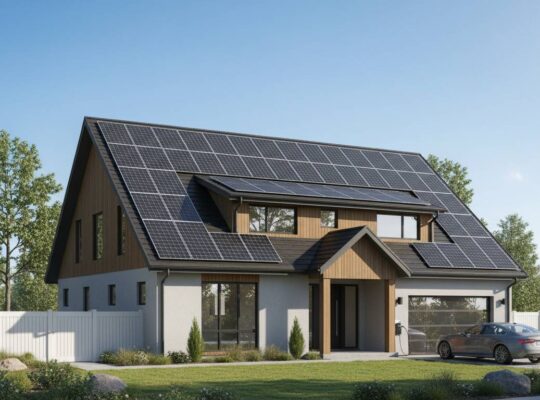
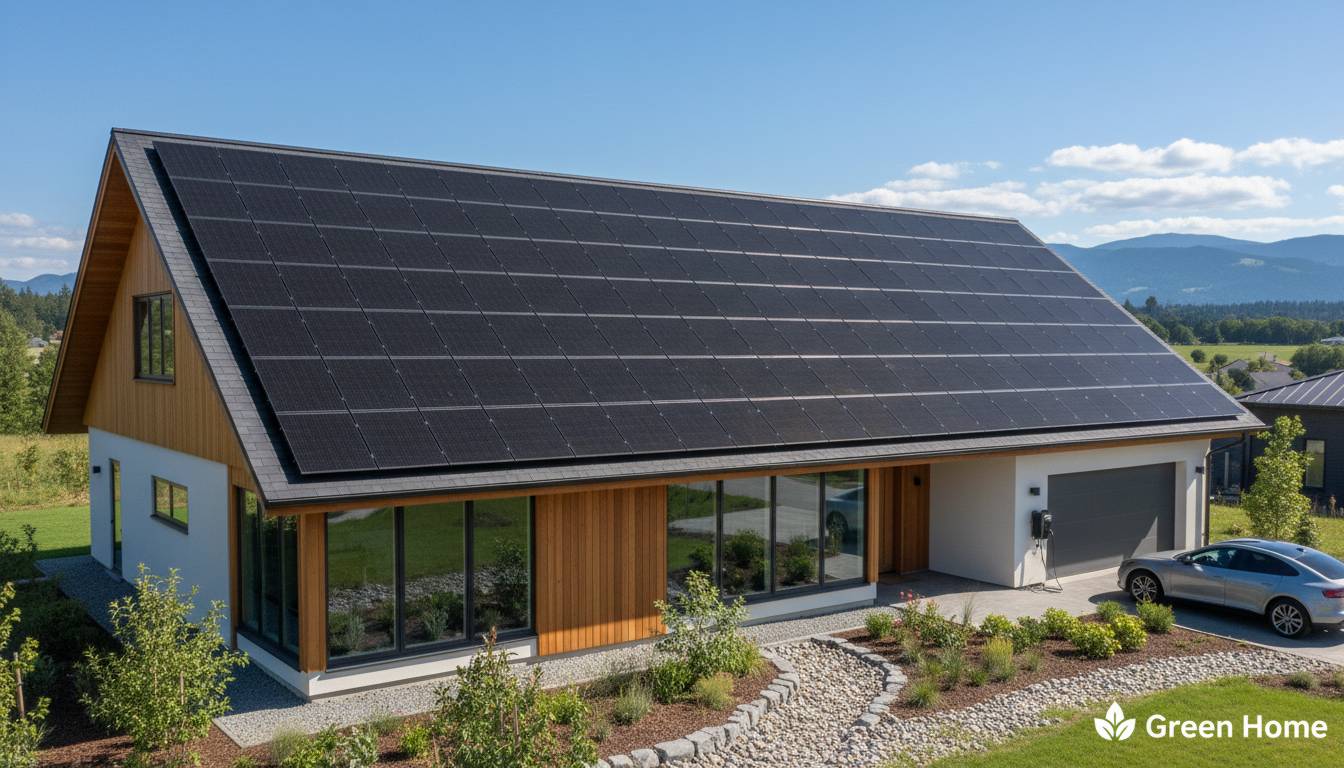
Solar photovoltaic (PV) systems remain the most accessible option for most U.S. homeowners. These systems convert sunlight into electricity using panels installed on rooftops or ground-mounted arrays. The average residential solar system costs between $15,000 and $25,000 after federal tax credits, though prices vary significantly by region and system size. Modern solar panels carry 25-year warranties and typically pay for themselves within 7 to 12 years.
Wind turbines prove viable primarily for rural properties with consistent wind resources—generally areas receiving average wind speeds above 12 mph. Small residential turbines range from $3,000 to $65,000 depending on capacity, and performance depends heavily on tower height, turbine quality, and local wind patterns.
Geothermal heat pumps leverage stable underground temperatures to provide heating and cooling with remarkable efficiency—often achieving 400% to 600% efficiency ratings compared to traditional HVAC systems. Installation costs range from $10,000 to $30,000, but these systems last 25 years or longer with minimal maintenance.
Community solar and green tariffs offer the lowest barrier to entry. These programs allow homeowners to purchase or subscribe to shares of off-site renewable energy generation, receiving credits on their utility bills without any home modification. Many utilities now offer 100% renewable electricity plans at premium rates of just $0.01 to $0.03 per kilowatt-hour more than standard plans.
Financial Benefits and ROI Analysis
The economic case for residential green energy has strengthened dramatically over the past decade. According to the National Renewable Energy Laboratory, residential solar installation costs dropped 64% between 2010 and 2022, while electricity from utility-scale renewable sources became cheaper than new fossil fuel generation in most markets.
| Energy Source | Average Annual Savings | Payback Period | 25-Year Total Value |
|---|---|---|---|
| Rooftop Solar (6kW) | $1,200 – $2,000 | 7-12 years | $30,000 – $50,000 |
| Geothermal Heat Pump | $800 – $1,500 | 7-10 years | $20,000 – $37,500 |
| Small Wind Turbine (5kW) | $600 – $1,800 | 8-15 years | $15,000 – $45,000 |
| Community Solar (shares) | $100 – $400 | 1-3 years | $2,500 – $10,000 |
These figures assume average electricity rates of $0.14 per kWh, though most U.S. homeowners now pay between $0.10 and $0.25 per kWh depending on location and utility provider. The U.S. Energy Information Administration projects electricity prices will increase an average of 2.5% annually through 2025, meaning current green energy investments lock in protection against rising utility costs.
Beyond direct savings, green energy upgrades increase property values. A 2019 Lawrence Berkeley National Laboratory study found that homes with solar panels sell for approximately 4.1% more than comparable homes without solar—a premium of roughly $9,300 on a $225,000 home.
How to Assess Your Home’s Green Energy Potential
Before investing in any renewable system, evaluate your property’s specific advantages and constraints. This assessment determines which options make financial sense and helps you right-size your investment.
Solar potential depends on roof orientation, shading, and available space. South-facing roofs in the Northern Hemisphere capture maximum sunlight, though east and west orientations still generate 70-80% of optimal output. Shading from trees, nearby buildings, or chimneys significantly reduces output—even partial afternoon shading can cut production by 30% or more. Most homes need 300-500 square feet of unshaded roof space per kilowatt of installed capacity.
Wind resource assessment requires more careful analysis. The U.S. Department of Energy’s Wind Exchange program provides wind resource maps showing average wind speeds by region, but microclimates vary significantly. Even within a single neighborhood, buildings, terrain, and vegetation create wind patterns that may differ from regional averages. Professional wind assessments using anemometers over several months provide the most accurate data.
Geothermal suitability depends on land availability and soil conditions. Horizontal loop systems require substantial yard space—typically 1/4 to 1 acre for average residential heating and cooling loads. Vertical loop systems work better for smaller lots but cost more to install. Soil composition affects drilling difficulty and cost, with rocky conditions increasing expenses substantially.
Energy usage analysis forms the foundation of any green energy decision. Review 12 months of utility bills to establish baseline consumption patterns. The U.S. Department of Energy recommends conducting a home energy audit—either DIY using their protocols or professionally through programs offered by many utilities and state energy offices—before sizing renewable systems.
Implementation: From Assessment to Installation
Once you’ve identified viable options, the implementation process follows a structured path that minimizes cost overruns and installation problems.
Step 1: Verify your site’s conditions. For solar, use online tools like Google’s Project Sunroof or PVWatts Calculator to estimate annual production based on your address, roof characteristics, and local weather patterns. For wind, consider a professional wind assessment if you’re serious about turbine installation. For geothermal, request soil and geological surveys from installation contractors.
Step 2: Obtain estimates from multiple contractors. The Database of State Incentives for Renewables and Efficiency (DSIRE) maintains lists of certified installers by technology type and location. Request at least three bids, ensuring each uses identical system specifications for accurate comparison. Watch for red flags: extremely low bids, pressure tactics, or vague warranty terms.
Step 3: Understand available incentives. The federal Investment Tax Credit (ITC) covers 30% of solar, wind, and geothermal installation costs through 2032, stepping down to 26% in 2033 and 22% in 2034. Many states offer additional incentives—some provide cash rebates, others offer property tax exemptions for renewable systems, and several support feed-in tariffs that pay for excess generation. The DSIRE database lists more than 2,000 federal, state, and local incentive programs.
Step 4: Evaluate financing options. Cash purchases maximize long-term savings, but solar loans, Property Assessed Clean Energy (PACE) financing, and home equity loans provide accessible alternatives. Many installers offer financing packages with rates between 4% and 8%, though these add interest costs that reduce overall savings.
Step 5: Schedule installation and grid connection. Most residential solar installations complete within 1-3 days, while geothermal systems require 1-2 weeks. After installation, your utility must approve the system for grid connection—a process taking 2-6 weeks in most jurisdictions. During this period, your system may generate electricity but cannot feed excess power to the grid.
Common Mistakes to Avoid
Homeowners frequently make errors that reduce green energy savings or create unexpected complications. Understanding these pitfalls helps you sidestep costly mistakes.
Oversizing or undersizing systems ranks as the most common error. Undersized systems fail to deliver meaningful savings; oversized systems add unnecessary costs without proportional benefits. Base system size on your actual 12-month electricity consumption, not estimates or rules of thumb.
Ignoring energy efficiency improvements first wastes money on renewable systems that could have been smaller. The National Academy of Sciences estimates that efficiency improvements typically cost half as much per kilowatt-hour saved as renewable generation. Sealing air leaks, upgrading insulation, and replacing old appliances often provides better returns than additional renewable capacity.
Choosing the lowest bidder without vetting contractor quality leads to installation problems that void warranties or reduce system performance. Verify contractor licensing through your state contractor board, check references, and confirm manufacturer certification. The North American Board of Certified Energy Practitioners (NABCEP) provides voluntary certification for solar installers that indicates demonstrated competency.
Neglecting ongoing maintenance diminishes system performance over time. Solar panels require occasional cleaning, particularly in dusty or snowy climates. Wind turbines need annual inspections and periodic part replacement. Geothermal systems benefit from periodic loop pressure checks and filter replacement. Budget for these maintenance costs when calculating true ROI.
Real-World Results: Case Studies
Understanding how similar homeowners achieved savings provides realistic expectations for your own project.
Case Study 1: Suburban Solar Implementation
The Martinez family in Phoenix, Arizona installed a 7.2 kW rooftop solar system in 2021 after receiving a $19,500 quote that dropped to $13,650 after the 30% federal tax credit. Their system produces approximately 11,000 kWh annually against consumption of 13,200 kWh, reducing their utility bills by roughly $1,540 per year at $0.14 per kWh. They achieved full payback in 8.9 years and project $38,500 in lifetime savings, accounting for $2,500 in maintenance costs and system inverter replacement around year 12.
Case Study 2: Rural Wind and Solar Hybrid
The Thompson farm in rural Iowa combined a 10 kW wind turbine with a 4 kW solar array to achieve near-complete energy independence. Total system cost reached $52,000 after incentives, generating 18,500 kWh annually against their 16,000 kWh consumption. Annual savings of approximately $2,480 translate to a 17-year payback—longer than solar alone, but with greater resilience against power outages and utility rate increases.
Case Study 3: Community Solar Subscriber
Not owning a suitable roof didn’t stop the Chen family in Minneapolis from accessing renewable energy. They purchased three community solar shares totaling $2,400, receiving annual bill credits of $380 against their $2,100 electricity costs. While their savings are modest, their $2,400 investment paid back in 6.3 years with minimal effort, and community solar subscriptions transfer to new addresses if they move within their utility’s service territory.
Tools and Resources for Getting Started
Navigating the green energy landscape requires reliable information sources and professional services. The following resources help homeowners make informed decisions.
Financial calculators from the National Renewable Energy Laboratory (NREL) and EnergySage provide customized savings estimates based on your location, electricity rates, and system specifications. These tools incorporate regional weather data, utility rate structures, and incentive programs to generate reliable projections.
DSIRE maintains the most comprehensive database of renewable energy incentives, searchable by technology, location, and program type. This resource alone can reveal thousands of dollars in available rebates and tax credits that homeowners frequently overlook.
Utility green programs deserve direct inquiry. Contact your electricity provider to learn about available renewable energy tariffs, net metering policies, and rebate programs. Many utilities offer free home energy assessments and subsidized efficiency upgrades alongside renewable incentives.
Manufacturer resources including SolarEdge, Enphase, and Tesla provide detailed product specifications, warranty terms, and certified installer directories. Understanding equipment quality differences helps you evaluate contractor proposals and select systems matching your performance requirements.
Frequently Asked Questions
How much does a complete home solar system cost in 2024?
A typical residential solar system costs between $15,000 and $25,000 after the 30% federal tax credit, depending on system size, equipment quality, and installation complexity. Larger systems or premium equipment can reach $35,000 or more before incentives. Most homeowners finance all or part of the purchase through solar loans with monthly payments often lower than their previous electricity bills.
Is my roof suitable for solar panels?
South, east, or west-facing roofs with minimal shading typically work well for solar. Roofs older than 15 years may require replacement before installation to avoid removing panels for roof repairs. Flat roofs can accommodate solar with specialized mounting systems, though slightly pitched roofs generally perform better. Most homes with adequate roof space and unshaded exposure are good candidates.
What happens to solar panels during cloudy days or winter?
Solar panels still generate electricity in indirect light, though at reduced output—typically 10-25% of rated capacity during overcast conditions. Snow accumulation can block production entirely, but light snow often melts quickly from panel surfaces. Most grid-tied systems remain connected to utility power, drawing seamlessly from the grid during low production periods and exporting excess during sunny periods.
How long do residential renewable energy systems last?
Solar panels carry 25-30 year warranties and typically maintain 80-85% of original output at 25 years. Wind turbines last 20-25 years with proper maintenance. Geothermal heat pump systems frequently operate 25 years or longer with minimal degradation. All systems require some maintenance, but longevity exceeds traditional HVAC equipment in most cases.
Can I go completely off-grid with home renewable energy?
Complete off-grid independence requires substantial battery storage—typically $10,000-$20,000 for residential systems—plus system oversized to meet peak demand and cover low-production periods. Most homeowners find grid connection more cost-effective, using net metering to export excess generation and draw from the grid during shortfalls. Battery backup systems provide emergency power during outages without full off-grid investment.
Will renewable energy systems increase my home insurance premiums?
Most homeowners insurance policies cover solar panel installation under existing policies, though some require explicit rider addition costing $50-$200 annually. System value typically adds $5,000-$15,000 to home coverage limits. Given the property value increase from renewable installations—often exceeding installation costs—this modest premium increase represents good value.
Moving Forward with Confidence
The decision to adopt green energy at home involves more than environmental responsibility—it’s a practical financial strategy with proven returns. Whether you install rooftop solar, subscribe to community solar shares, or upgrade to geothermal heating and cooling, the path to energy independence has never been more accessible or affordable. Federal tax credits remain at 30% through 2032, state incentives proliferate, and equipment costs continue declining. The window of maximum financial benefit remains open, but not indefinitely—incentives step down, and electricity rates will inevitably rise.
Start with an energy audit to understand your consumption patterns. Research available incentives through DSIRE. Obtain multiple contractor estimates and verify credentials. Make informed decisions based on your specific property characteristics and financial goals. The transition to green energy represents not merely a purchase but an investment in your home’s future value, your monthly budget’s stability, and your contribution to a cleaner energy system. Every kilowatt-hour generated from renewable sources is a kilowatt-hour that won’t appear on your utility bill—and that’s a calculation that always makes sense.