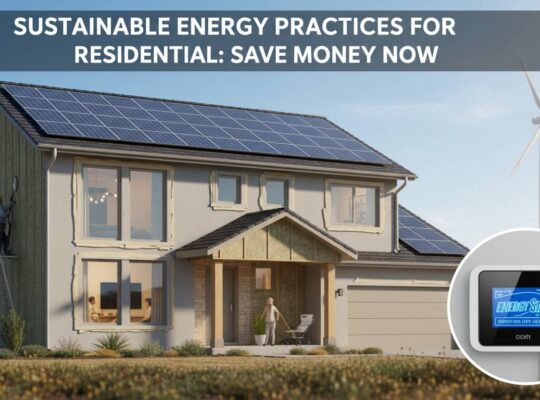
Energy costs continue to climb across the United States, with the average household spending over $2,000 annually on utility bills. For many families, a significant portion of this expense stems from energy waste—electricity and heating fuel that escapes through poor insulation, outdated appliances, and inefficient systems. Making strategic energy efficiency improvements can reduce these costs by 25% to 30%, according to the U.S. Department of Energy, while simultaneously increasing property values and contributing to environmental sustainability. This guide walks you through practical, proven strategies to maximize your home’s energy performance, from quick wins that cost almost nothing to substantial upgrades that deliver long-term returns.
Why Energy Efficiency Improvements Matter More Than Ever
The case for energy efficiency has never been stronger. Residential buildings account for approximately 20% of U.S. energy consumption, and residential electricity use has increased by over 40% since 1990, driven largely by more devices, larger homes, and greater cooling demands. This rising consumption directly impacts household budgets and amplifies environmental concerns, as the electricity grid still relies heavily on fossil fuels in many regions.
Beyond cost savings, energy efficiency improvements offer several compelling benefits. Homes with ENERGY STAR certified features typically sell for 2% to 3% more than comparable non-efficient homes, according to research from the National Association of Home Builders. Additionally, many utility companies now offer net-zero energy programs, allowing homeowners with sufficient renewable generation to eliminate utility bills entirely. The combination of financial returns, environmental responsibility, and improved comfort makes energy efficiency one of the most valuable investments a homeowner can pursue.
Key Drivers Behind Energy Efficiency Adoption
| Factor | Impact | Trend |
|---|---|---|
| Rising utility rates | +3-5% annually | Increasing |
| Climate concerns | 73% of Americans concerned | Stable |
| Home value premium | +2-3% at sale | Growing |
| Incentive programs | $6B+ annual federal/state | Expanding |
The financial landscape has also shifted dramatically in favor of efficiency upgrades. Federal tax credits cover 30% of the cost of many qualifying improvements through 2032, while state and utility rebates can reduce out-of-pocket expenses by additional percentages. These incentives, combined with dramatically improved product performance, mean that the payback period for many investments has shortened considerably compared to just a decade ago.
Understanding Your Home’s Energy Profile
Before investing in improvements, you need to understand where your energy goes. The U.S. Energy Information Administration breaks down typical residential energy use into distinct categories, each representing an opportunity for savings. Heating and cooling dominate most bills, accounting for approximately 48% of total energy consumption in average American homes. Water heating follows at about 14%, while lighting and appliances combine for another 20%. Electronics, refrigeration, and miscellaneous loads round out the remaining consumption.
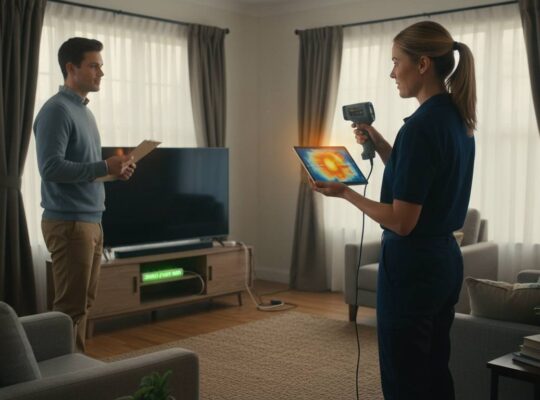
A home energy audit provides the most accurate picture of your specific energy profile. Professional auditors use tools like blower doors to measure air leakage and infrared cameras to detect insulation gaps and thermal bridging. The average audit costs between $200 and $500 but typically identifies $200 to $600 in annual savings opportunities, yielding a return within the first year. Many utility companies offer free or discounted audits as part of their efficiency programs, making this an accessible first step for most homeowners.
Typical Home Energy Consumption Breakdown
| End Use | Percentage | Annual Cost (National Avg) |
|---|---|---|
| Space heating | 29% | ~$580 |
| Space cooling | 19% | ~$380 |
| Water heating | 14% | ~$280 |
| Appliances | 14% | ~$280 |
| Lighting | 9% | ~$180 |
| Electronics | 8% | ~$160 |
Understanding these percentages helps prioritize improvements. A homeowner in Minnesota should focus differently than one in Florida, as climate directly impacts which systems consume the most energy. The key insight is that significant savings require addressing the largest energy users—typically heating and cooling systems—rather than focusing solely on visible improvements like replacing light bulbs.
Top Energy Efficiency Improvements for Your Home
Insulation and Air Sealing
Heat flows through walls, floors, and ceilings following the path of least resistance, meaning inadequate insulation forces heating and cooling systems to work continuously to maintain comfortable temperatures. The Department of Energy estimates that 90% of existing homes lack sufficient insulation, with the typical home losing enough energy through air leaks to fill a basketball court every month.
Air sealing addresses the immediate problem of conditioned air escaping through gaps around windows, doors, electrical outlets, and foundation penetrations. Caulk and weatherstripping represent the lowest-cost improvements, with materials costing under $50 but potentially saving $100 or more annually. For comprehensive air sealing, professionals typically charge $500 to $1,500 depending on home size and complexity.
Insulation upgrades deliver even greater returns, particularly in attics where heat loss is most severe. Fiberglass, cellulose, and spray foam each offer distinct advantages depending on climate, existing conditions, and budget. Blown-in cellulose costs approximately $1,500 to $2,000 for an average attic while reducing heating and cooling costs by 15% to 25%. Spray foam, while more expensive initially, provides superior performance in humid climates and often qualifies for higher incentive payments.
Heating and Cooling System Optimization
HVAC systems represent the largest energy consumers in most homes, making their optimization critically important. Regular maintenance extends equipment life and maintains efficiency, but eventually, aging systems require replacement. When that time comes, choosing high-efficiency equipment delivers substantial long-term savings.
Modern heat pumps offer exceptional efficiency, with advanced models achieving Coefficient of Performance ratings above 4.0, meaning they produce more than four units of heat for every unit of electricity consumed. The International Energy Agency identifies heat pumps as a key technology for decarbonizing buildings, noting that they can reduce heating-related emissions by up to 70% compared to traditional resistance heating. While initial costs range from $3,000 to $8,000 for residential systems, federal tax credits and utility rebates often cover 30% to 50% of these expenses.
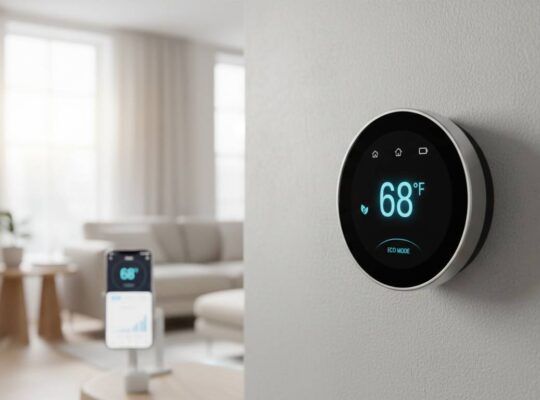
For homes with existing efficient systems, smart thermostats provide an economical optimization tool. These devices learn occupancy patterns and preferences, automatically adjusting temperatures to maximize comfort while minimizing waste. Studies by Nest and Ecobee document average savings of 10% to 12% on heating and cooling costs, with payback periods under two years for the devices and professional installation.
Lighting and Appliance Upgrades
Lighting has transformed dramatically over the past decade, with LED technology now dominating the market. LEDs use 75% less energy than incandescent bulbs and last 25 times longer, making the switch a simple decision with obvious returns. The average household contains 40 to 60 light sockets, and replacing all of them with LEDs costs approximately $200 but saves $50 to $100 annually.
Appliance efficiency matters similarly, though the savings accumulate more slowly given that ENERGY STAR certified refrigerators, dishwashers, and washing machines use 10% to 40% less energy than standard models. When replacing appliances, choosing efficient models typically costs $100 to $300 more upfront but saves $30 to $80 annually in utility costs. Over a 10 to 15 year appliance lifespan, these savings compound significantly.
Financial Incentives and Rebate Programs
The Inflation Reduction Act of 2022 created the most generous energy efficiency incentive environment in U.S. history. Homeowners can claim tax credits covering 30% of costs for qualified improvements including insulation, windows, doors, heat pumps, water heaters, and solar panels, with annual caps varying by improvement category. Heat pumps specifically received enhanced treatment, with the law removing previous caps and allowing the full 30% credit through 2032.
Beyond federal programs, virtually every state offers additional incentives. California, New York, and Massachusetts maintain particularly robust programs, with some utilities offering rebates exceeding $3,000 for heat pump installations. The Database of State Incentives for Renewables and Efficiency maintains a comprehensive searchable directory at DSIREUSA.org, allowing homeowners to identify every available program in their area.
Utility-sponsored programs deserve special attention because they often provide instant rebates at the point of purchase. Many utilities partner with retailers to offer $50 to $500 rebates on efficient appliances, HVAC equipment, and smart home devices. These programs change frequently, making it worthwhile to check with your utility before making any significant purchase.
Federal Tax Credit Highlights for 2024-2025
| Improvement | Credit Rate | Annual Maximum |
|---|---|---|
| Heat pumps/AC | 30% | No cap |
| Water heaters | 30% | No cap |
| Insulation/sealing | 30% | No cap |
| Windows/doors | 30% | $600 max per item |
| Solar panels | 30% | No cap |
Common Mistakes to Avoid
Homeowners frequently undermine their efficiency investments through preventable errors. One common mistake involves focusing on visible improvements rather than addressing fundamental problems. Replacing windows, for example, provides minimal savings if the insulation behind the walls remains inadequate—windows typically represent only 10% to 15% of heat transfer in most homes. The Department of Energy consistently ranks air sealing and insulation as higher priorities than window replacement for most homes.
Another frequent error involves purchasing equipment without verifying proper sizing. Oversized HVAC systems cycle on and off frequently, reducing efficiency and shortening equipment life while failing to properly dehumidify air in cooling season. Professional Manual J load calculations ensure equipment matches actual home requirements, and while they add $200 to $500 to project costs, they prevent expensive mistakes.
Finally, many homeowners attempt DIY installations that compromise performance. Heat pump installations require specialized knowledge of refrigerant handling, electrical work, and airflow optimization. Improper installation can reduce efficiency by 20% to 30% compared to professional installation, completely eliminating anticipated savings. The small additional cost of professional installation typically pays for itself within the first year through improved performance and reliability.
Measuring and Tracking Your Savings
Implementing improvements requires ongoing measurement to verify returns and identify additional opportunities. Smart meters, now deployed by most utilities, provide detailed consumption data that can be accessed through utility portals. Comparing monthly consumption before and after improvements demonstrates actual performance, though weather variations require accounting for heating or cooling degree days.
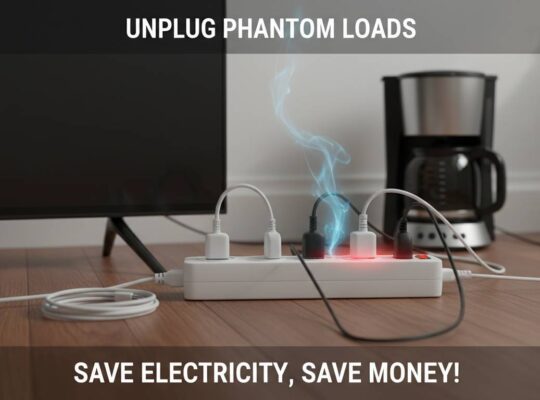
For more granular analysis, home energy monitors like Sense or Emporia provide circuit-level insights, showing exactly how much energy specific appliances consume. These devices typically cost $200 to $400 and install in the main electrical panel, then connect to smartphone apps for real-time monitoring. Beyond tracking savings, this information helps identify phantom loads and inefficient equipment that might otherwise go unnoticed.
Documentation matters for more than just personal tracking. Keeping records of improvements, costs, and incentive claims simplifies tax filing and increases resale value. Prospective buyers increasingly request efficiency documentation during home purchases, and having organized records speeds transactions and validates efficiency claims.
Frequently Asked Questions
What is the most cost-effective energy efficiency improvement?
Air sealing and insulation upgrades typically offer the best return on investment for most homes. These improvements address the root cause of energy waste—conditioned air escaping and unconditioned air entering—and provide savings immediately upon completion. Caulking and weatherstripming cost very little and can reduce energy bills by 10% to 15%.
How long does it take to recoup investment in energy efficiency improvements?
Payback periods vary by improvement. LED bulb replacements typically pay back within one to two years. Insulation upgrades generally require three to seven years depending on climate and existing conditions. Heat pumps, when combined with available incentives, often achieve payback in two to five years through reduced operating costs.
Do energy efficiency improvements increase home value?
Yes, research consistently shows that energy-efficient features increase home values. The National Association of Home Builders reports that ENERGY STAR features can add 2% to 3% to home values. Additionally, homes with documented efficiency improvements sell faster than comparable homes without such features.
Should I get a home energy audit before making improvements?
A professional energy audit is highly recommended before making significant investments. Audits identify the specific problems in your home and quantify potential savings for each improvement, ensuring you prioritize correctly. Many utilities offer free or discounted audits, making this an economical first step.
Are heat pumps worth it in cold climates?
Modern cold-climate heat pumps operate effectively even in temperatures well below zero Fahrenheit. The Department of Energy confirms that today’s heat pumps can extract heat from air as cold as -15°F. In most heating-dominant climates, they provide significant savings over resistance heating and even propane or oil furnaces.
What incentives are currently available for energy efficiency upgrades?
Federal tax credits cover 30% of qualified improvements through the Inflation Reduction Act. Most states offer additional rebates, and utilities provide numerous incentive programs. Combined, incentives can reduce out-of-pocket costs by 50% or more for many improvements. Check DSIREUSA.org for comprehensive local program information.
Conclusion
Energy efficiency improvements represent one of the few investments that simultaneously reduce costs, increase comfort, raise property values, and benefit the environment. The current incentive landscape makes this an especially opportune time to pursue upgrades, with federal tax credits, state programs, and utility rebates combining to substantially lower upfront costs. By understanding your home’s energy profile, prioritizing improvements that address the largest sources of waste, and taking advantage of available financial support, you can achieve meaningful savings while contributing to a more sustainable energy future. The key is starting with an assessment and then methodically working through improvements based on your specific situation and goals.