Energy costs represent one of the largest household expenses for American families, averaging $2,060 annually on utility bills according to the U.S. Energy Information Administration. The good news is that you can significantly reduce this expense through a combination of simple behavioral changes, low-cost upgrades, and strategic investments. This comprehensive guide presents 15 proven ways to save energy at home while maintaining comfort and convenience.
Quick Wins: Start Saving Today
Some of the most effective energy-saving measures require little to no investment, yet deliver immediate results on your monthly bill.
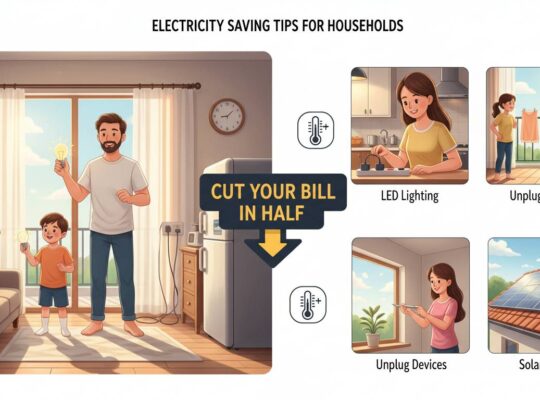
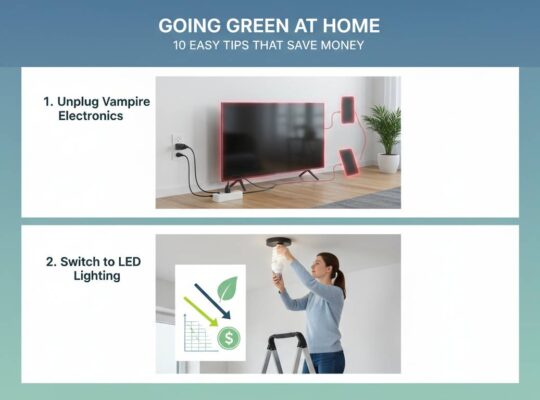
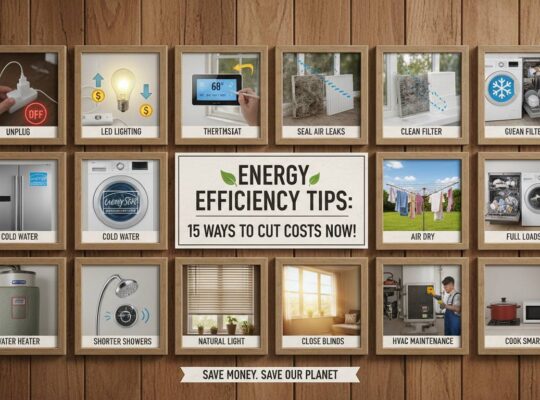
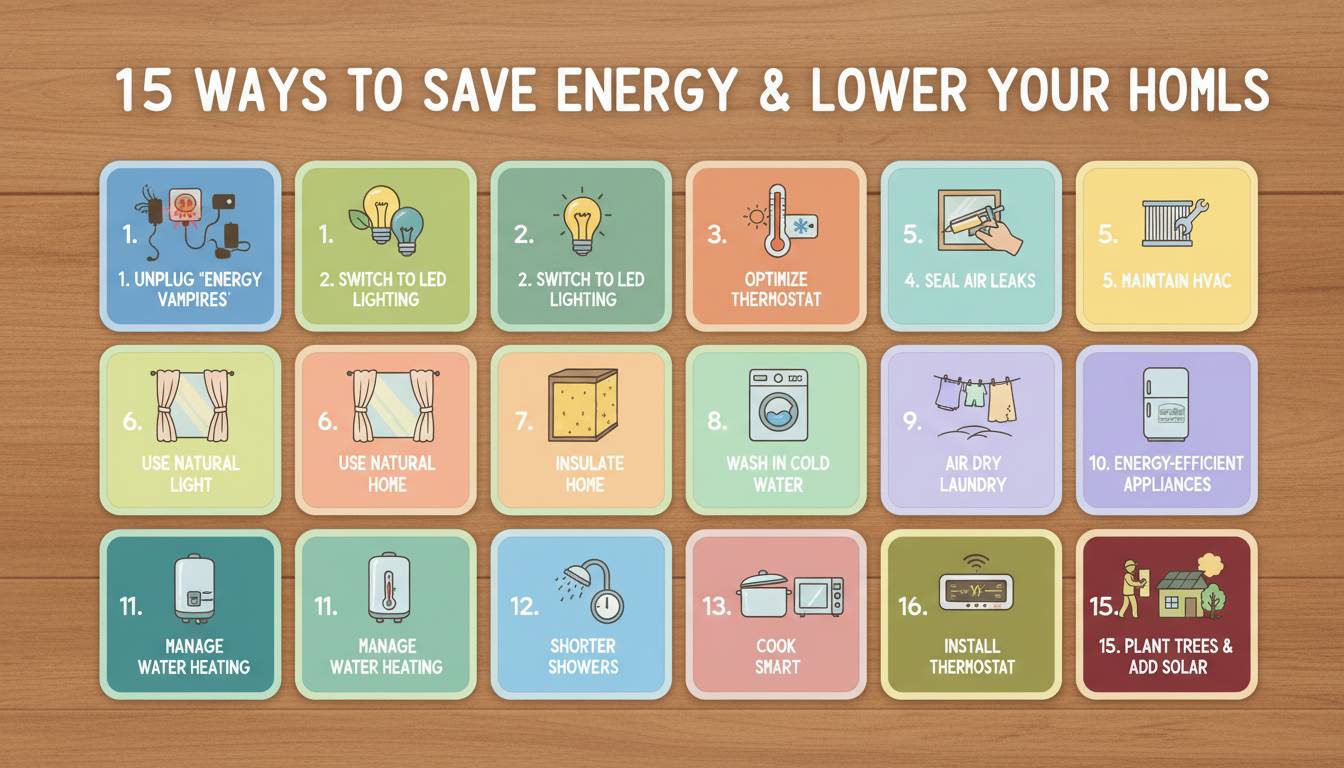
Unplug Vampire Devices — Electronics and appliances continue drawing power even when turned off. Known as “vampire power” or standby power, this hidden drain accounts for 5-10% of residential energy use. Unplug phone chargers, gaming consoles, and kitchen appliances when not in use, or use smart power strips to cut power to entire entertainment centers with a single switch.
Adjust Your Thermostat — The Department of Energy estimates that adjusting your thermostat by 7-10°F for eight hours daily can save up to 10% annually on heating and cooling costs. During winter, set to 68°F while awake and lower to 55-60°F when sleeping or away. In summer, aim for 78°F when home.
Seal Air Leaks — Drafty windows and doors force your HVAC system to work overtime. Apply weatherstripping around doors and caulk gaps around windows—materials cost under $20 but can reduce energy loss by 10-15%.
Utilize Natural Light — Opening curtains during daylight hours reduces reliance on artificial lighting and provides free warming from sunlight during winter months. South-facing windows offer the most natural light throughout the day.
Optimize Your HVAC System
Heating and cooling consume roughly 48% of home energy use, making HVAC optimization your most impactful area for savings.
Replace Air Filters Regularly — Clogged filters restrict airflow, forcing your system to work harder and consume more energy. Replace standard filters every 1-3 months, or upgrade to pleated filters that capture smaller particles while maintaining better airflow.
Schedule Professional Maintenance — Annual HVAC tune-ups improve efficiency by 5-15%. Technicians clean coils, check refrigerant levels, and identify worn components before they cause system failures. The average service call costs $150-300 but pays for itself within one heating or cooling season.
Use Ceiling Fans Strategically — Ceiling fans cost pennies per hour to operate but allow you to feel 4°F cooler in summer. In winter, reverse the fan direction to push warm air downward from the ceiling. Ensure fans spin counterclockwise in summer and clockwise in winter.
Upgrade to a Smart Thermostat — Programmable and smart thermostats automatically adjust temperatures based on your schedule. The U.S. Environmental Protection Agency estimates that ENERGY STAR certified smart thermostats can save consumers an average of $180 per year. Popular options include ecobee, Nest, and Honeywell models ranging from $100-$250.
| HVAC Action | Potential Annual Savings | Difficulty |
|---|---|---|
| Replace air filters | $50-100 | Easy |
| Smart thermostat | $150-180 | Moderate |
| Professional maintenance | $75-200 | Moderate |
| Ceiling fan use | $30-50 | Easy |
Lighting Efficiency
Lighting accounts for about 12% of typical home energy use, and switching to efficient alternatives provides some of the fastest returns on investment.
Switch to LED Bulbs — LED bulbs use 75% less energy and last 25 times longer than incandescent bulbs. While LEDs cost more upfront ($3-7 per bulb versus $1 for incandescent), the average household saves $75 annually by making the switch. Replace most-used bulbs first, particularly in living areas and kitchens.
Install Motion Sensors and Timers — Exterior lights, closets, and bathrooms benefit from motion sensors or timers that ensure lights aren’t left on unnecessarily. Smart switches with motion detection cost $15-30 and pay for themselves within one to two years.
Layer Your Lighting — Rather than relying on single overhead fixtures, use multiple light sources at lower intensities. Table lamps, floor lamps, and task lighting create ambiance while using less total wattage than one bright overhead light.
Appliance Strategies
Household appliances account for approximately 13% of energy use, and understanding how to use them efficiently dramatically impacts your bills.
Run Full Loads Only — Dishwashers and washing machines use relatively constant energy regardless of load size. Always run full loads, and use cold water settings for laundry whenever possible—heating water accounts for 90% of a washing machine’s energy consumption.
Air-Dry Dishes and Clothes — Skip the heated drying cycle on your dishwasher and instead use the air-dry setting or simply open the door to let dishes dry naturally. Similarly, air-drying clothes in a dryer or on a clothesline eliminates that appliance’s energy entirely during favorable weather.
Position Refrigerators Properly — Keep your refrigerator at least 2 inches from walls to allow proper airflow around the condenser coils. Clean coils quarterly with a vacuum brush attachment. Set refrigerator temperature to 37-40°F and freezer to 0-5°F—temperatures lower than necessary waste energy without preserving food better.
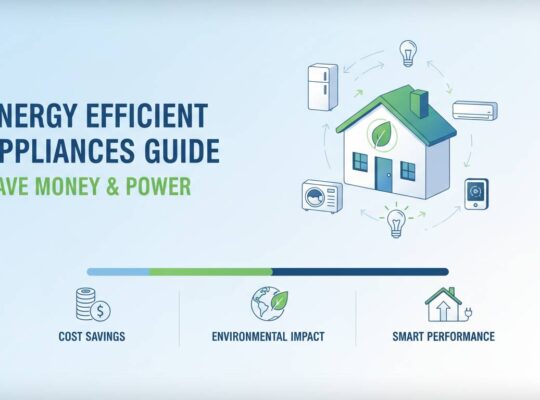
Upgrade to ENERGY STAR Appliances — When replacing old appliances, choose ENERGY STAR certified models. These use 10-50% less energy than standard models depending on the appliance type. The premium cost typically recovers through utility bill savings within the appliance’s lifespan.
Water Heating Efficiency
Water heating is typically the second-largest energy expense in homes, accounting for about 18% of utility costs.
Lower the Thermostat — The default 140°F setting on most water heaters is hotter than most households need. Reducing to 120°F saves 4-22% in water heating costs while still preventing bacterial growth in the tank. This single change saves families $30-$60 annually.
Insulate Your Water Heater — An insulating blanket costs $20-40 and reduces standby heat loss by 25-45%. This is particularly valuable for older water heaters located in unconditioned spaces like basements or garages.
Install Low-Flow Fixtures — Standard showerheads use 2.5 gallons per minute, while low-flow models use 1.5-2.0 GPM. The average family saves 2,900 gallons of water annually by switching, plus the energy required to heat that water. Faucet aerators provide similar savings for kitchen and bathroom sinks.
Fix Leaks Promptly — A dripping faucet wastes over 3,000 gallons annually per drip. More significantly, a leaking hot water line can waste hundreds of dollars in energy costs each year. Address all leaks immediately.
Behavioral Changes That Matter
Technology and upgrades work best when complemented by conscious energy habits.
Wash Dishes by Hand Efficiently — If you don’t have a dishwasher, fill one basin with soapy water and another with rinse water rather than letting the faucet run continuously. This approach uses 60-70% less water than continuous running.
Cook Smarter — Use lids on pots to reduce cooking time by 20-30%. Microwaves use 80% less energy than conventional ovens for reheating. When using the oven, avoid opening the door frequently—the temperature drops 25-50°F each time you open it, forcing the oven to work harder.
Cool Down at Night — During temperate shoulder seasons, open windows at night to let cool air in, then close them and blinds in the morning to trap that cool air. This natural cooling reduces air conditioning use significantly.
Teach Household Members — Ensure everyone in your home understands basic energy-saving practices. Simple habits like turning off lights when leaving rooms, closing exterior doors promptly, and not letting water run unnecessarily add up to 5-10% in savings.
Smart Home Technology Investments
Modern technology offers unprecedented control over home energy use.
Smart Power Strips — Eliminate phantom loads from entertainment centers and home offices. Smart strips automatically cut power to devices when the primary device (like a TV or computer) is turned off, preventing other devices from drawing standby power.
Energy Monitoring Systems — Devices like Sense, Emporia, or Neurio attach to your electrical panel and identify which circuits use the most energy. This information helps you target high-consumption areas for optimization. Systems range from $250-$500 with professional installation.
Smart Plugs and Outlets — These Wi-Fi-enabled devices allow you to control and schedule any plugged-in device remotely. Use them to ensure devices aren’t running unnecessarily or to pre-start appliances during off-peak utility hours.
Home Energy Audits — Many utility companies offer free or discounted home energy audits. Professional auditors use specialized equipment to identify air leaks, insulation gaps, and efficiency opportunities that homeowners often miss. The audit typically costs $200-500 but identifies $200-$1,000 in potential annual savings.
Long-Term Home Improvements
For maximum energy savings, consider these higher-investment upgrades that deliver substantial returns over time.
Add Insulation — The U.S. Department of Energy estimates that adding insulation to attics, walls, and basements can save 10-20% on heating and cooling costs. Attic insulation should reach R-38 to R-49 in most climates. The average cost of $1,500-$2,500 pays back within 5-7 years through energy savings.
Replace Windows — Single-pane windows can account for 10-25% of heating and cooling costs. Replacing with double or triple-pane ENERGY STAR windows reduces this significantly. While full window replacement costs $8,000-$20,000, the energy savings typically recoup within 15-25 years.
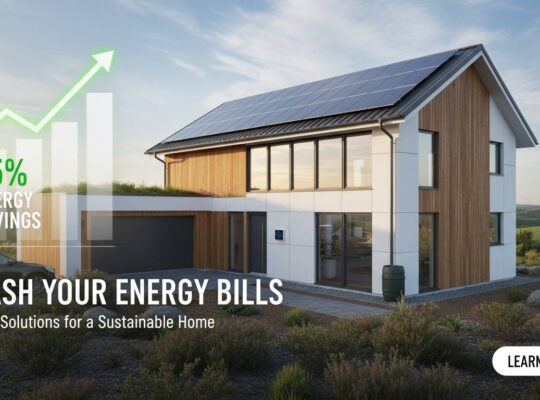
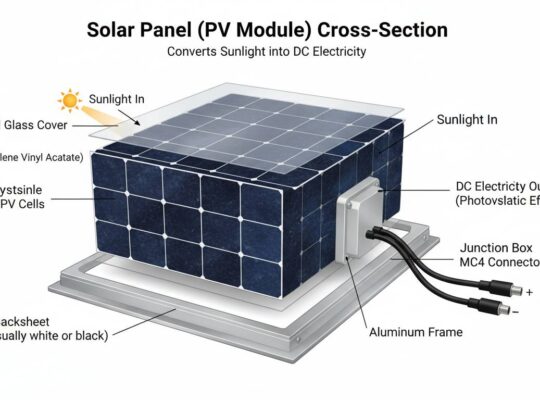
Install Solar Panels — Rooftop solar systems eliminate or substantially reduce electricity bills. After the 30% federal tax credit, a typical 6-kW system costs $12,000-$18,000 and generates $1,000-$2,000 in annual electricity savings. Many installers offer $0-down leases or financing options.
Upgrade to a Heat Pump — Heat pumps provide both heating and cooling at 2-4 times the efficiency of traditional systems. Modern cold-climate heat pumps work efficiently even in subzero temperatures. Although costing $4,000-$10,000, they reduce heating bills by 30-50% compared to electric resistance or oil heating.
Frequently Asked Questions
What is the single most effective way to save energy at home?
Installing a smart thermostat typically offers the best combination of cost and savings. With an average annual return of $150-180, the $100-$250 investment pays back within one to two years while providing automated, continuous optimization of your heating and cooling systems.
How much can I realistically save by implementing all these tips?
Most households can achieve 20-40% reduction in utility bills through comprehensive energy conservation. The U.S. Department of Energy reports that a combination of behavior changes, low-cost upgrades, and efficient appliances typically saves $500-$1,000 annually, though exact savings depend on current efficiency, climate, and energy rates.
Are energy-efficient appliances worth the higher upfront cost?
Yes, ENERGY STAR appliances typically pay for themselves within their lifespan through reduced operating costs. A refrigerator, for example, costs approximately $50 more upfront but saves $35-$60 annually in electricity, resulting in a payback period of one to two years over a 13-15 year appliance lifespan.
How do I know where my home loses the most energy?
A professional energy audit identifies specific inefficiencies. Alternatively, conduct a simple visual inspection: check attic insulation depth, look for daylight around windows and doors, inspect exposed pipes for missing insulation, and note any rooms that feel significantly warmer or colder than others.
Is it worth investing in solar panels for energy savings?
Solar makes financial sense in areas with high electricity rates, abundant sunlight, and available roof space. With the 30% federal tax credit and net metering programs that credit excess production back to your account, most homeowners see positive returns within 6-10 years. However, evaluate your specific situation, including roof condition, local utility policies, and available incentives.
How often should I replace HVAC filters?
Replace standard 1-inch filters every 1-3 months, depending on usage, pets, and indoor air quality concerns. Thicker 4-5 inch pleated filters typically last 6-12 months. Check filters monthly during heavy-use seasons and replace immediately if visibly clogged, as restricted airflow forces your system to work harder and consume more energy.
Conclusion
Saving energy at home doesn’t require choosing between comfort and cost. By implementing a combination of quick behavioral changes, low-cost upgrades, and strategic investments, most households can cut their energy bills by 20-40% while maintaining or improving home comfort.
Start with the no-cost changes—adjusting thermostats, unplugging vampire devices, and sealing air leaks. Then progressively add LED lighting, smart thermostats, and low-flow fixtures as budget allows. For long-term savings, consider professional energy audits, insulation upgrades, and eventually HVAC replacements or solar installations.
The most important step is simply beginning. Every dollar saved on utility bills is a dollar available for other priorities—and with energy costs continuing to rise, the families who act now will see the largest cumulative savings over time.