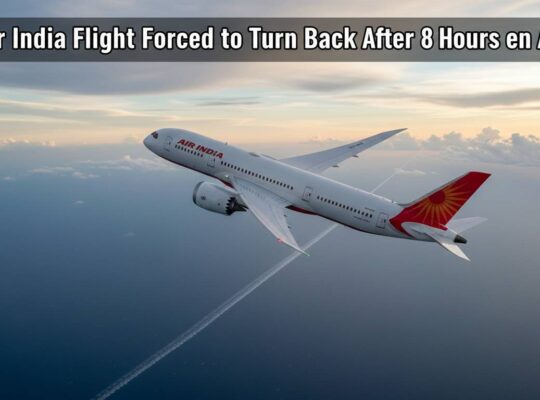
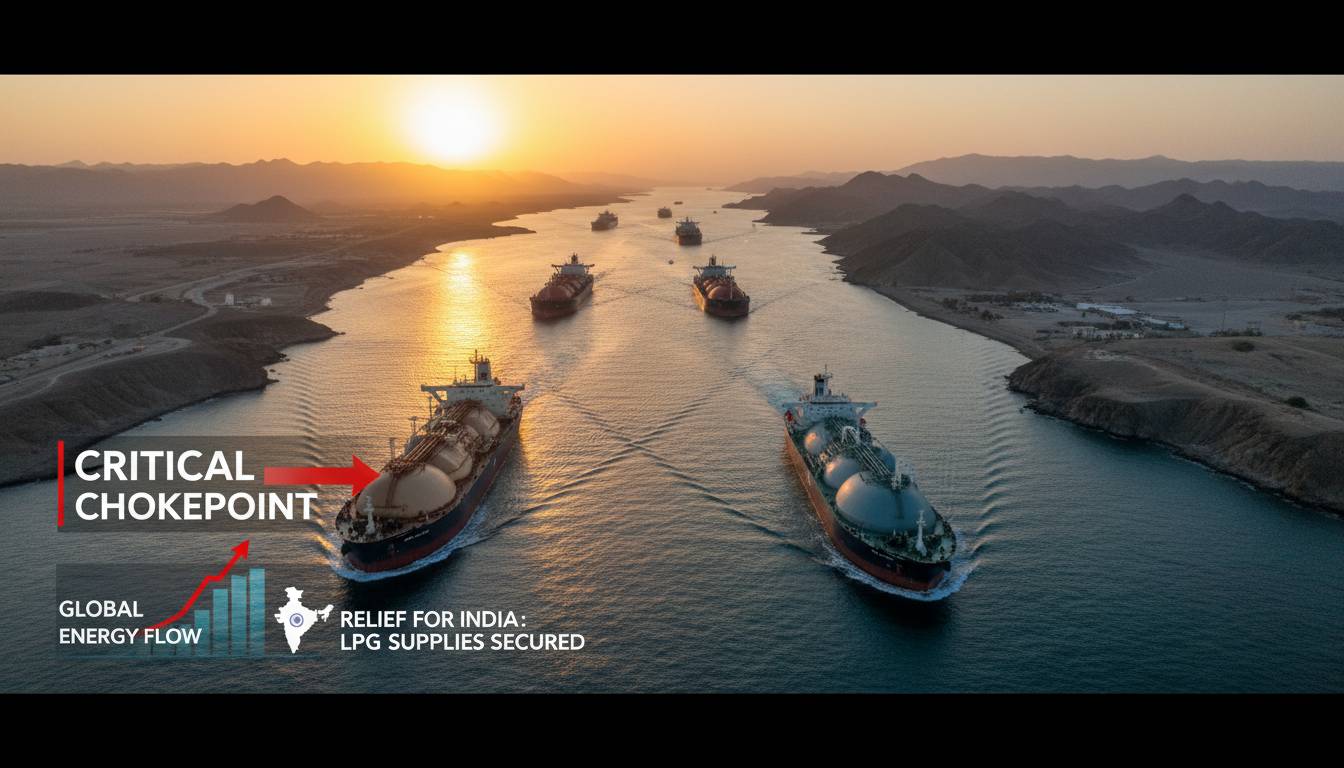
Two India-flagged LPG carriers, Shivalik and Nanda Devi, transited the Strait of Hormuz around March 13-14, 2026, offering a rare supply positive for India during a wider shipping disruption that began after the waterway was effectively shut in early March. The passage matters because LPG is a core household fuel in India, and the country remains heavily exposed to Gulf cargoes moving through Hormuz, according to AP, Lloyd’s List Intelligence reporting cited by AP, and Indian energy trade data.
💡
India’s immediate relief came from vessel movement, not a full reopening.
AP reported on March 18, 2026 that the two India-flagged LPG carriers crossed around March 13 or 14, based on Lloyd’s List Intelligence, while most shipping traffic through Hormuz had been halted since early March.
March 13-14 transit breaks a rare path through a blocked corridor
The core development is narrow but important: two India-flagged LPG carriers were able to move through the Strait of Hormuz while most commercial traffic remained severely constrained. AP reported on March 18, 2026 that Shivalik and Nanda Devi, both owned by state-run Shipping Corporation of India, traveled through the strait around March 13 or 14, citing Lloyd’s List Intelligence. AP also reported that India’s External Affairs Minister Subrahmanyam Jaishankar told the Financial Times the vessels were able to pass after talks with Iran.
That distinction matters. The movement of two LPG carriers does not mean the shipping lane has normalized. AP said most shipping traffic through the strait had been halted since early March after the conflict escalated, and only about 90 vessels had made it through since the attacks and counterattacks that began on February 28, 2026. In practical terms, this was a case-by-case transit window, not a broad restoration of commercial confidence.
Verified vessel and corridor data
| Item | Verified detail | Source timing |
|---|---|---|
| India-flagged LPG carriers | Shivalik and Nanda Devi | AP, March 18, 2026 |
| Transit timing | Around March 13-14, 2026 | AP citing Lloyd’s List Intelligence |
| Ownership | Shipping Corporation of India | AP, March 18, 2026 |
| Traffic condition | Most shipping traffic halted since early March | AP, March 18, 2026 |
| Ships that crossed | About 90 vessels since Feb. 28 escalation | AP, March 19, 2026 |
Source: AP reports published March 18-19, 2026, with Lloyd’s List Intelligence cited for vessel tracking.
Why India’s LPG exposure is larger than the headline suggests
India’s vulnerability is not just about one shipment. It is structural. New Indian Express reported on March 1, 2026 that an escalation in Hormuz could hit 80% of India’s LPG imports. Outlook Business, citing trade data, said India’s LPG imports ranged from about 1.83 million tonnes to 2.03 million tonnes per month between February 2025 and February 2026. That gives context to why even two successful sailings matter: they signal that at least some cargo movement is still possible in a market where disruption can quickly affect household fuel availability.
India’s broader energy dependence on the corridor is also substantial. AP reported on March 19, 2026 that nearly half of India’s crude oil imports and LNG pass through the strait. New Indian Express separately reported that in FY2025, about 50% of India’s crude oil and 54% of LNG imports were routed through Hormuz. For LPG specifically, the exposure is sharper because India relies heavily on Gulf-origin cargoes and does not have the same strategic reserve profile that it maintains for crude.
Hormuz crisis timeline for India-linked LPG flows
February 28, 2026: Regional conflict escalates, triggering severe disruption to shipping confidence and vessel movement through Hormuz, according to AP and multiple market reports.
Early March 2026: Most shipping traffic through the strait is halted, AP reports.
March 13-14, 2026: India-flagged LPG carriers Shivalik and Nanda Devi transit the strait, according to Lloyd’s List Intelligence as cited by AP.
March 18-19, 2026: AP reports the crossings and notes only about 90 vessels had made it through the corridor since the conflict escalation.
What 90 ship crossings say about risk, insurance and selective access
The number to watch is not just two vessels, but the contrast between those two and the wider market. AP said roughly 90 ships had crossed since the crisis began on February 28, 2026. In a normal market, Hormuz handles a far larger flow of oil and gas-linked traffic. AP also noted the strait supplies roughly one-fifth of the world’s crude oil, underlining why even partial disruption has global consequences.
Insurance and freight conditions help explain why selective passage does not equal normal trade. The Guardian reported on March 2, 2026 that maritime insurers were canceling war-risk cover in Iranian waters, the Gulf and adjacent waters, with effect from March 5. Riviera reported on March 10, 2026 that LPG charter rates had remained broadly stable at that point, but around 12 VLGCs remained trapped in the Middle East Gulf, with several smaller LPG carriers also affected. Those two data points together suggest a market where physical movement is possible for some ships, but commercial and underwriting conditions remain restrictive.
India energy exposure through Hormuz
| Metric | Exposure | Why it matters |
|---|---|---|
| Crude oil imports | About 50% routed through Hormuz in FY2025 | Large macro impact on refining and import costs |
| LNG imports | About 54% routed through Hormuz in FY2025 | Gas supply risk for industry and power |
| LPG imports | Up to 80% at risk in escalation scenario | Direct household cooking fuel exposure |
| Monthly LPG imports | About 1.83-2.03 million tonnes | Shows scale of replacement challenge |
Source: New Indian Express, Outlook Business, published March 1-2, 2026.
How two LPG sailings reduce pressure without removing the supply threat
The immediate benefit for India is operational breathing room. LPG is used as a primary cooking fuel by millions of Indian households, AP reported, so any successful cargo movement lowers the risk of a near-term squeeze. India also has some diversification underway: Fortune India reported that public-sector oil companies signed a one-year contract in November 2025 to import about 2.2 million tonnes per annum of LPG from the US Gulf Coast for the 2026 contract year. Riviera separately reported that nearly 400,000 tonnes of US-sourced LPG volumes were scheduled to arrive gradually in India by the end of March 2026.
Still, diversification does not erase the Gulf’s weight in India’s LPG balance. India Briefing, citing PPAC data, said India had more than 330 million active LPG connections, and January 2026 LPG consumption stood at 3.0 million metric tonnes, up 7% year over year. When demand is that large, two vessel sailings are meaningful but not sufficient to settle the market. They are best read as evidence that diplomatic channels can create limited transit opportunities even while the corridor remains under severe stress.
ℹ️
The India angle is about household fuel security as much as shipping.
India consumed 28 million metric tonnes of LPG for domestic use between April 2025 and March 2026, New Indian Express reported on March 1, 2026, showing why LPG cargo continuity matters beyond freight markets.
Frequently Asked Questions
Frequently Asked Questions
Which Indian-flagged LPG carriers sailed through the Strait of Hormuz?
AP reported on March 18, 2026 that the vessels were Shivalik and Nanda Devi, both owned by Shipping Corporation of India. AP cited Lloyd’s List Intelligence for the vessel movement data and said the transit occurred around March 13-14, 2026.
Does this mean the Strait of Hormuz is open again for normal shipping?
No. AP reported that most shipping traffic had been halted since early March 2026 and that only about 90 ships had crossed since the conflict escalation on February 28, 2026. That indicates selective or limited movement, not a return to normal commercial traffic.
Why is LPG especially important for India in this crisis?
LPG is a primary cooking fuel for millions of Indian households, according to AP. New Indian Express reported on March 1, 2026 that escalation in Hormuz could hit 80% of India’s LPG imports, showing why even a small number of successful cargo sailings can matter materially.
How dependent is India on the Strait of Hormuz for energy imports?
AP reported on March 19, 2026 that nearly half of India’s crude oil imports and LNG pass through Hormuz. New Indian Express put FY2025 exposure at about 50% for crude and 54% for LNG. Outlook Business also showed monthly LPG imports at roughly 1.83-2.03 million tonnes over the past year.
Is India finding alternative LPG supplies outside the Gulf?
Yes, at least partly. Fortune India reported that Indian public-sector oil companies signed a one-year deal in November 2025 for about 2.2 million tonnes per year of LPG from the US Gulf Coast for 2026. Riviera also reported nearly 400,000 tonnes of US-sourced volumes were due in India by end-March 2026.
Conclusion
The passage of Shivalik and Nanda Devi is good news for India because it shows LPG cargoes can still move through the Strait of Hormuz under tightly constrained conditions. But the broader data point in the other direction: most traffic remains disrupted, insurance conditions are strained, and India’s dependence on Hormuz-linked LPG and other energy imports remains high. For now, the story is not that the crisis is over. It is that India has secured a limited but important supply reprieve in a corridor that is still operating far below normal confidence and capacity.
Disclaimer: This article is for informational purposes only. Information may have changed since publication. Always verify information independently and consult qualified professionals for specific advice.