A solar power system converts sunlight into electricity using photovoltaic (PV) panels, providing a renewable energy source that can reduce or eliminate your monthly utility bills while decreasing your carbon footprint. This guide walks you through everything you need to know about residential and commercial solar installations, from basic components to financial considerations, helping you determine whether solar energy makes sense for your home or business.
Key Insights
- The average U.S. household can save between $10,000 and $30,000 over a solar system’s lifetime
- Residential solar panel efficiency has increased from 15% in 2010 to over 22% in 2024
- The federal solar tax credit covers 30% of installation costs through 2032
- Over 4 million U.S. homes have installed solar panels as of 2024
What Is a Solar Power System?
A solar power system is an energy generation setup that captures sunlight and converts it into usable electricity through photovoltaic technology. These systems range from small residential installations powering a few appliances to massive utility-scale solar farms feeding electricity into the grid.
How Solar Energy Works
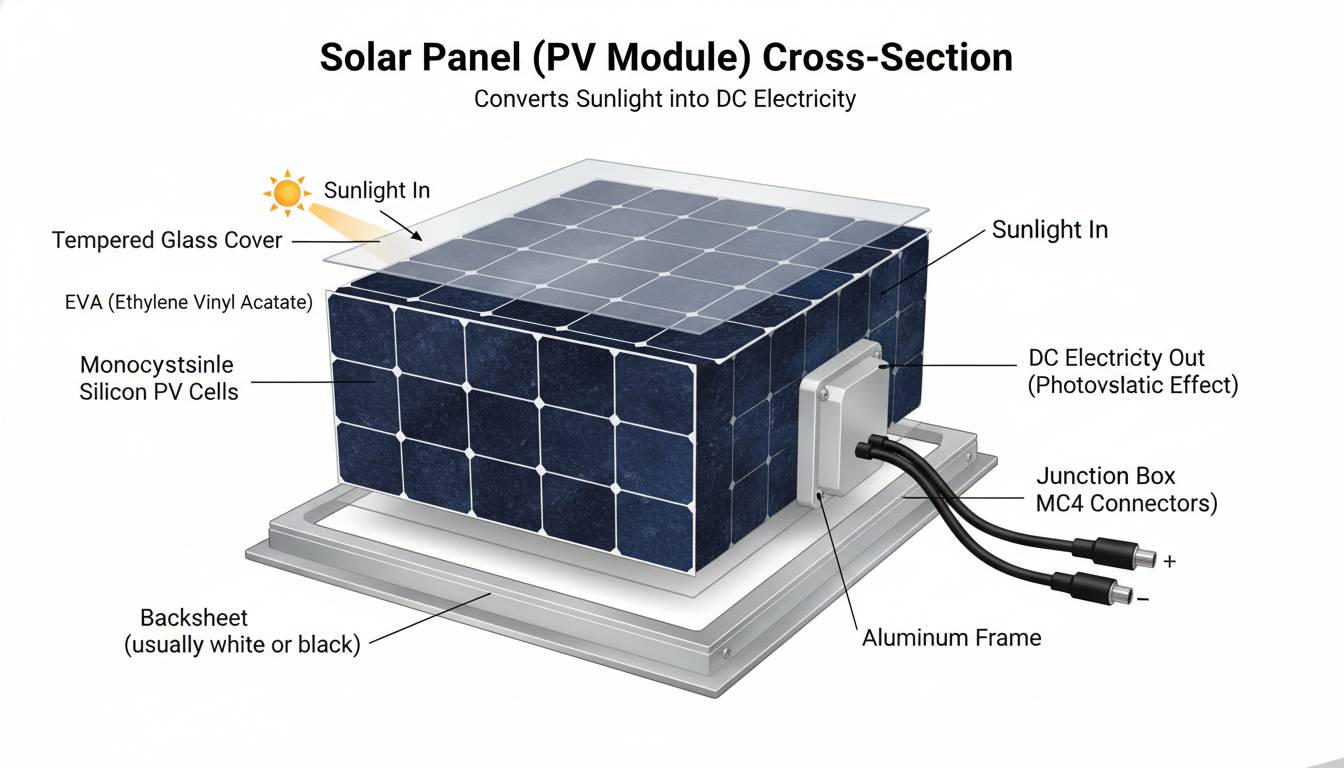
The fundamental process involves several key steps. First, solar panels made of silicon cells capture photons from sunlight. These photons knock electrons loose from silicon atoms, creating a flow of direct current (DC) electricity. An inverter then converts this DC electricity into alternating current (AC), which powers your home’s electrical devices. Any excess electricity can either be stored in batteries or sent back to the utility grid through a process called net metering.
Modern residential systems typically produce between 5 and 15 kilowatts, depending on household energy consumption and available roof space. A typical 6-kilowatt residential system can generate approximately 8,000 to 10,000 kilowatt-hours annually in most U.S. regions, according to the National Renewable Energy Laboratory.
Components of a Residential Solar System
Understanding the individual components helps you make informed decisions about installation and maintenance. Each part plays a crucial role in system performance and longevity.
Solar Panels
The most visible component, solar panels consist of multiple photovoltaic cells arranged in a grid pattern. Monocrystalline panels offer the highest efficiency rates, typically 20-22%, making them ideal for homes with limited roof space. Polycrystalline panels cost less but sacrifice efficiency, usually operating at 15-17%. Thin-film panels, while less efficient at 10-13%, perform better in high-temperature environments and offer more flexible installation options.
| Panel Type | Efficiency | Lifespan | Best For |
|---|---|---|---|
| Monocrystalline | 20-22% | 25-30 years | Limited roof space |
| Polycrystalline | 15-17% | 25 years | Budget-conscious buyers |
| Thin-Film | 10-13% | 20-25 years | Unusual roof shapes |
Inverter
The inverter transforms DC electricity from panels into AC electricity your home uses. String inverters remain the most common and affordable option, connecting all panels in series. Microinverters, installed on each individual panel, maximize energy production by allowing each panel to operate independently—particularly valuable if your roof has partial shading.
Mounting System
Roof-mounted systems remain the most popular residential option, using racking equipment secured to your roof’s structure. Ground-mounted installations work better for properties with ample land and those seeking maximum panel exposure. Ballasted systems offer a no-penetration option for flat commercial roofs.
Monitoring System
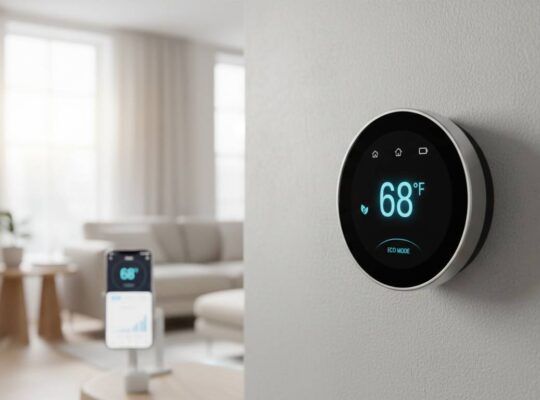
Modern solar installations include monitoring hardware that tracks energy production in real-time. These systems connect to smartphone apps and online dashboards, alerting homeowners to performance issues and providing detailed consumption analytics.
Types of Solar Power Systems
Solar installations generally fall into three categories, each with distinct advantages and limitations.
Grid-Tied Systems
The most common residential option, grid-tied systems remain connected to the utility grid. During daylight hours, your home powered by solar energy; at night or during low production, you draw from the grid. Net metering programs credit you for excess energy your panels produce, often at retail electricity rates.
Key Advantage: You maintain reliable backup power without expensive battery systems.
Limitation: Power outages disable grid-tied systems for safety reasons, leaving you without electricity even when the sun shines.
Off-Grid Systems
These self-contained installations require battery storage to provide power around the clock. Off-grid systems work best for remote properties where grid connection costs exceed solar installation expenses or for homeowners seeking complete energy independence.
Key Advantage: Complete energy independence from utility providers.
Limitation: Higher upfront costs for batteries and typically larger panel arrays to ensure adequate storage.
Hybrid Systems
Hybrid configurations combine grid connection with battery storage, offering the best of both worlds. You maintain grid backup while gaining energy independence and protection during outages.
Key Advantage: Maximum flexibility and resilience with financial benefits of net metering.
Financial Considerations and ROI
Understanding the economic factors helps you evaluate whether solar makes financial sense for your situation.
Installation Costs
Residential solar costs have dropped dramatically, falling from $8.00 per watt in 2010 to approximately $2.85 per watt in 2024, according to the National Renewable Energy Laboratory. A typical 6-kilowatt system costs between $15,000 and $25,000 before incentives, with the average residential installation running about $17,000 after the federal tax credit.
Federal Tax Credit
The Inflation Reduction Act extended the Residential Clean Energy Credit at 30% through 2032, decreasing to 26% in 2033 and 22% in 2034. This credit applies to solar panels, inverters, mounting equipment, and installation labor. Unlike deductions, credits directly reduce your tax liability dollar-for-dollar.
State and Local Incentives
Beyond federal benefits, many states offer additional incentives. California, New York, and Massachusetts provide rebate programs and state tax credits. Some utilities offer upfront rebates or accelerated depreciation for commercial installations.
Return on Investment
Most homeowners achieve complete system payback within 7 to 12 years, depending on local electricity rates, available incentives, and system size. With electricity costs rising approximately 5% annually in many regions, solar’s value proposition strengthens each year. Over 25 years, typical savings range from $20,000 to $50,000, according to EnergySage analysis.
Choosing a Solar Installer
Selecting the right installation company significantly impacts system performance and long-term satisfaction. The solar industry has expanded rapidly, with over 15,000 installation companies operating nationwide, but quality varies substantially.
What to Look For
Verify installer certification through the North American Board of Certified Energy Practitioners (NABCEP). Request at least three detailed quotes comparing system specifications, equipment brands, and warranty terms. Examine online reviews on the Better Business Bureau and consumer platforms, paying attention to post-installation service experiences.
Key Questions to Ask
How long has the company operated in your area? What happens if installation takes longer than promised? Who handles maintenance and repairs? What happens if the installer goes out of business? Understanding warranty transferability matters if you sell your home, as most systems transfer to new owners.
Common Mistakes to Avoid
Avoiding these pitfalls helps ensure your solar investment delivers expected returns.
| Mistake | Impact | Solution |
|---|---|---|
| Choosing lowest bid | Poor equipment, inadequate installation | Compare specifications, not just prices |
| Ignoring roof condition | System removal for roof replacement | Inspect or replace roof before installation |
| Oversizing system | Reduced net metering credits | Right-size based on actual consumption |
| Skipping monitoring | Undetected performance issues | Ensure monitoring is included and understood |
| Not understanding net metering | Unexpected utility bills | Research your utility’s specific policies |
The Installation Process
Understanding what to expect reduces anxiety and helps you prepare for installation day.
Phase 1: Site Assessment and Design (1-2 weeks)
A solar designer evaluates your roof’s orientation, slope, shading, and structural integrity. They analyze your electricity usage patterns and recommend system size. Engineering drawings specify panel placement, inverter location, and electrical connections.
Phase 2: Permitting and Approval (2-4 weeks)
Your installer submits permits to your local building department and submits interconnection applications to your utility company. This phase ensures compliance with building codes and safety standards.
Phase 3: Installation (1-3 days)
Professional crews install mounting hardware, attach panels, wire the system, and connect the inverter. Most residential installations complete within one to three days, depending on system complexity and roof characteristics.
Phase 4: Inspection and Activation (1-2 weeks)
After installation, local inspectors verify electrical safety and code compliance. Once approved, your utility installs a bidirectional meter and activates your system, beginning net metering credits.
Maintenance and Performance
Solar systems require minimal maintenance compared to traditional home systems, but basic care extends performance and longevity.
Routine Tasks
Cleaning panels two to three times yearly removes dust, pollen, and debris that reduce efficiency by 5-10%. Most rainfall provides natural cleaning in many regions. Inspecting wiring connections annually ensures optimal performance. Trimming overhanging branches prevents shading damage.
Monitoring Performance
Your monitoring system tracks daily, monthly, and yearly energy production. Unexpected drops warrant investigation—often simple fixes like panel cleaning or inverter resets resolve issues. Most quality inverters include 10 to 25-year warranties, with expected lifespans matching or exceeding these periods.
Warranty Coverage
Standard warranties include 25-year panel performance guarantees (typically 80-85% output at year 25), 10 to 15-year inverter warranties, and 5 to 10-year installation workmanship warranties. Understanding warranty terms and registration requirements protects your investment.
Is Solar Right for You?
Solar energy works best for homeowners with suitable roof conditions, adequate sun exposure, and reliable electricity consumption patterns. Properties with significant shading, very old roofs, or unusual energy needs may require additional analysis or alternative approaches.
Ideal Candidates
- Homes with south, east, or west-facing roofs receiving minimal shading
- Property owners planning to stay in their homes for at least 7-10 years
- Households with electricity bills exceeding $150 monthly
- Those seeking to reduce environmental impact and gain energy independence
Consider Alternatives
- Renters might explore community solar programs gaining popularity across many states
- Homeowners with unsuitable roofs could investigate ground-mount installations
- Those planning short-term moves should calculate whether solar adds home value
Frequently Asked Questions
How long do solar panels last?
Most solar panels carry 25 to 30-year warranties, with degradation rates of approximately 0.5% to 1% annually. Panels continue operating beyond warranty periods, though at reduced efficiency. Most manufacturers guarantee 80-85% of original output at year 25.
Can I install solar panels myself?
DIY solar installation is possible but generally not recommended. Electrical work requires licensed professionals for safety and insurance purposes. Improper installation can void equipment warranties, create fire hazards, and fail inspection requirements. Professional installers also handle permitting and utility interconnection.
What happens if my utility company doesn’t offer net metering?
In areas without net metering, you may need battery storage to maximize solar benefits or explore alternative rate structures like time-of-use pricing. Some utilities offer buyback programs at wholesale rates rather than retail credit, significantly reducing solar economics. Research your utility’s policies before committing to installation.
Do solar panels work on cloudy days?
Yes, solar panels generate electricity even on cloudy days, typically producing 10-25% of their rated capacity. They don’t require direct sunlight—ambient light drives photovoltaic conversion. However, consistent sun exposure maximizes your return on investment, making geographic location an important consideration.
Will solar panels increase my home’s value?
Studies by Lawrence Berkeley National Laboratory found that homes with solar panels sell for approximately 4.1% more than homes without them. This value increase typically exceeds the net cost of installation after incentives, making solar a positive investment for most homeowners.
What is the federal tax credit for solar in 2024?
The Residential Clean Energy Credit covers 30% of solar installation costs through 2032, including panels, inverters, mounting hardware, and installation labor. The credit is claimed on your federal tax return and can roll forward to future years if it exceeds your tax liability.
Conclusion
Solar power systems represent a mature, cost-effective energy solution for millions of American homeowners. With installation costs down over 60% from a decade ago, federal tax credits at 30% through 2032, and equipment warranties extending 25 years or more, residential solar has entered mainstream adoption. The technology works reliably across diverse climates, and financing options make initial costs manageable for most budgets.
Before committing, assess your roof’s suitability, research local incentives, obtain multiple competitive quotes, and verify installer credentials. Consider how long you plan to stay in your home and understand your utility’s net metering policies. With proper research and realistic expectations, solar energy can provide decades of clean, affordable electricity while building toward a more sustainable future.