Solar energy has transformed from an alternative power source into a mainstream energy solution for American homeowners. With federal tax credits still available and installation costs dropped nearly 70% over the past decade, going solar has become more accessible than ever. This guide walks you through everything you need to know to make an informed decision about solar power for your home.
What Is Solar Energy and How Does It Work?
Solar energy refers to radiant light and heat from the sun that is captured and converted into usable electricity. For residential applications, this process happens through a solar panel system installed on your roof or property.
Key Components of a Residential Solar System:
-
Solar Panels (Photovoltaic Modules): These panels contain photovoltaic cells that convert sunlight directly into direct current (DC) electricity. Most residential panels use crystalline silicon technology, which offers the best balance of efficiency and cost for home installations.
-
Inverter: This device converts the DC electricity produced by your panels into alternating current (AC) electricity that powers your home’s appliances and electronics. You can choose between string inverters (one central unit) or microinverters (installed on each panel).
-
Mounting Hardware: Racks and brackets secure your panels to your roof at the optimal angle for sunlight exposure. Proper mounting ensures panels can withstand wind, rain, and other weather conditions.
-
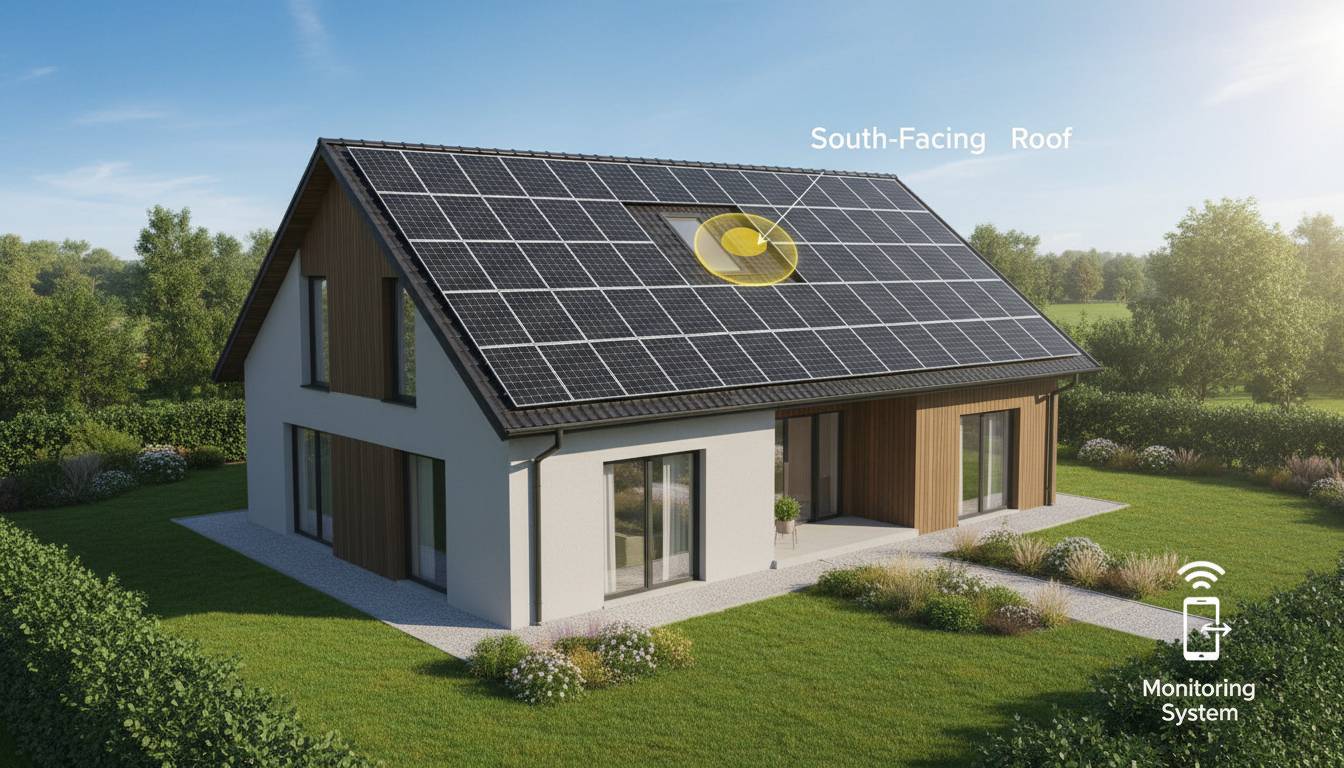
Monitoring System: Most modern installations include smart monitoring that tracks your energy production and consumption in real-time through a mobile app.
-
Battery Storage (Optional): Systems like Tesla Powerwall or LG Chem store excess energy for use during nighttime or power outages, increasing your energy independence.
The conversion process is remarkably straightforward: photons from sunlight strike the semiconductor material in solar cells, knocking electrons loose. These electrons flow through the cell’s circuitry, creating an electrical current that the inverter transforms into usable AC power.
How Much Can You Save with Solar?
Understanding the financial picture helps set realistic expectations. The savings depend on several factors specific to your situation.
📊 Financial Impact Overview
| Factor | Typical Range | Impact on Savings |
|---|---|---|
| System Size | 6-12 kW | Larger systems = more production |
| Electricity Rate | $0.12-$0.25/kWh | Higher rates = bigger savings |
| Sun Exposure | 4-6 peak sun hours | More sun = more generation |
| Roof Orientation | South/East/West | Optimal angle maximizes output |
| Current Monthly Bill | $100-$300 | Higher bills = faster payback |
According to the National Renewable Energy Laboratory (NREL), the average American homeowner with a solar system saves between $10,000 and $30,000 over the lifetime of their panels—typically 25-30 years. In states with high electricity rates like California, New York, and Hawaii, lifetime savings can exceed $50,000.
Federal Tax Credit: The Inflation Reduction Act provides a 30% federal tax credit for residential solar installations through 2032. This credit applies to the total cost of panels, inverters, mounting equipment, and installation labor. You don’t need to pay the full amount upfront—the credit reduces your tax liability dollar-for-dollar.
Net Metering: Most utilities offer net metering programs that credit you for excess electricity your panels send back to the grid. When your system produces more than you use, your meter runs backward. At night or on cloudy days, you draw from the grid as usual. This arrangement typically allows you to offset nearly all your electricity costs.
Types of Solar Panel Systems
Not all solar installations are created equal. Understanding your options helps you choose the right configuration.
Grid-Tied Systems
The most common choice for suburban homeowners, grid-tied systems remain connected to your utility’s power grid. They shut off during outages for safety reasons (preventing power from feeding back to lines while workers repair them), but they offer the lowest upfront cost and require no batteries.
Best for: Homeowners with reliable grid access who want to minimize their electricity bills without major lifestyle changes.
Grid-Tied with Battery Backup
Adding batteries like the Tesla Powerwall or FranklinWH provides power during outages while maintaining the financial benefits of grid connection. These systems can automatically disconnect from the grid during outages and run your home on stored solar energy.
Best for: Areas with frequent outages, those wanting backup power without a full generator, and homeowners in regions with time-of-use rate structures who want to use stored solar during expensive peak hours.
Off-Grid Systems
Complete independence from the utility grid requires substantial battery storage—typically 10+ kWh—and often a backup generator. These systems work best for remote properties where grid connection is unavailable or prohibitively expensive.
Best for: Rural property owners, cabin owners, and those seeking complete energy independence regardless of cost.
Hybrid Systems
Hybrid setups combine grid connection, battery storage, and sometimes generator backup. They offer maximum flexibility, automatically switching between power sources based on availability and cost.
Best for: Homeowners wanting the ultimate resilience and flexibility, particularly in areas with unreliable grid power or extreme weather risks.
Evaluating Your Home’s Solar Potential
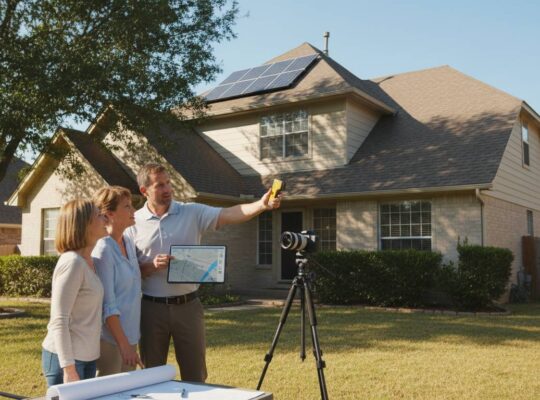
Before investing in a system, assess whether your property is well-suited for solar. Several factors determine how effective your installation will be.
Roof Condition and Age: Solar panels last 25-30 years, so your roof should have at least that much life remaining. If your roof needs replacement within a decade, complete that project before installing solar. Most installers offer combo pricing for roof replacement plus solar.
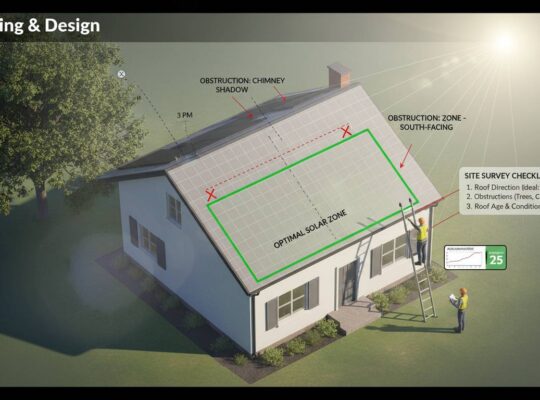
Roof Orientation and Pitch: South-facing roofs receive maximum sunlight in the Northern Hemisphere. East and west-facing roofs work well too, though production drops 15-25%. Flat roofs require special mounting systems to achieve the optimal angle.
Shading Issues: Trees, neighboring buildings, or chimneys that cast shadows on your roof significantly reduce panel output. Even partial shading during peak hours impacts overall production substantially. Some manufacturers offer panels with optimizers that minimize shading losses, but the ideal location remains unshaded.
Available Space: A typical residential system requires 300-500 square feet of usable roof space. Larger homes with higher energy consumption may need more. Ground-mounted systems work if you have adequate yard space but cost more due to additional mounting hardware.
Your Electricity Consumption: Review 12 months of utility bills to understand your actual usage. Solar installers use this data to right-size your system. Oversizing wastes money; undersizing leaves savings on the table.
The Installation Process: What to Expect
Understanding the timeline and steps helps you prepare for going solar.
Assessment Phase (1-2 Weeks): Request quotes from multiple installers. Provide your electricity bills and roof measurements. Reputable companies conduct virtual or in-person assessments at no charge. Compare at least three bids, paying attention to equipment brands, warranty terms, and projected output.
Design and Approval (1-3 Weeks): Once you select an installer, they design your system and submit permit applications to your local building department. This process has become faster in many jurisdictions as solar permitting has standardized.
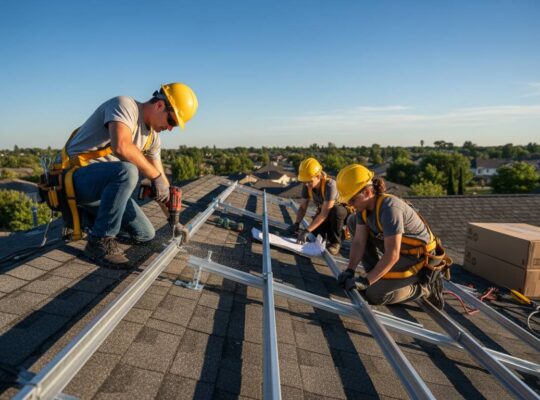
Installation (1-3 Days): Actual panel installation typically takes one to three days depending on system size and roof complexity. Installers mount the racking, connect the panels, run wiring to the inverter location, and connect to your electrical panel.
Inspection and Approval (1-4 Weeks): Your local building department inspects the installation for safety and code compliance. After passing inspection, your utility company installs a net meter and grants permission to operate.
Timeline Summary:
| Phase | Duration |
|——-|———-|
| Research & Quotes | 2-4 weeks |
| Design & Permitting | 1-3 weeks |
| Installation | 1-3 days |
| Inspections | 1-4 weeks |
| Total | **5-14 weeks |
Common Mistakes to Avoid
Learning from others’ experiences helps you sidestep costly errors.
Mistake #1: Focusing Only on Price
The cheapest bid often uses lower-quality panels, less experienced crews, or inadequate warranties. Solar is a 25+ year investment. Compare equipment brands, warranty terms, and company longevity—not just upfront cost.
Mistake #2: Ignoring Total System Cost
Ensure bids include all equipment, installation, permits, interconnection fees, and any roof repairs. Some companies advertise low panel prices but add significant hidden costs later.
Mistake #3: Overlooking Roof Compatibility
An old or damaged roof will require expensive panel removal and reinstallation if replaced after solar installation. Factor roof age into your decision timeline.
Mistake #4: Not Understanding Your Utility’s Policies
Net metering terms vary significantly between utilities and states. Some credit retail electricity rates; others credit wholesale rates. Time-of-use rate structures may change when you go solar. Understand these details before signing.
Mistake #5: Skipping Proper Research on Installers
Check contractor licenses, insurance, and customer reviews. The Better Business Bureau and online review platforms reveal patterns. Look for installers with established local presence and manufacturer certifications.
Choosing the Right Solar Installer
The installer you choose significantly impacts your experience and system performance for decades.
What to Look For:
– NABCEP (North American Board of Certified Energy Practitioners) certification
– Manufacturer certifications (e.g., Tesla Certified Installer, SunPower Elite Installer)
– At least 10 years in business with local references
– Transparent pricing with itemized quotes
– Comprehensive warranties covering both equipment and workmanship
– Responsive customer service and local service technicians
Warning Signs:
– High-pressure sales tactics or door-to-door solicitation
– Quotes that vary dramatically without clear explanation
– Reluctance to provide references or portfolio examples
– No physical local address or presence
– Vague or missing warranty documentation
The Solar Energy Industries Association (SEIA) maintains a directory of member companies that adhere to ethical standards—a good starting point for your search.
Maintenance and Long-Term Care
One of solar’s advantages is minimal maintenance requirements, but some attention extends system life and performance.
Annual Maintenance Tasks:
– Clean panels if dust, pollen, or debris accumulates (usually rain handles this in most climates)
– Inspect for visible damage after severe weather
– Check monitoring data for unexpected drops in production
– Trim vegetation that may grow to shade panels
Monitoring Performance: Most systems include smartphone apps showing daily, monthly, and yearly production. Compare actual output against your installer’s projections. A 10-15% drop may indicate dirty panels or developing issues.
Warranty Coverage: Most panels come with 25-year performance warranties guaranteeing at least 80% of rated output at year 25. Inverters typically warrant 10-15 years. Workmanship warranties vary from 2-10 years. Understand what’s covered and what’s not before installation.
Frequently Asked Questions
How long do solar panels last on a home?
Residential solar panels typically last 25-30 years, with most manufacturers guaranteeing 80% of original output at the 25-year mark. Panels degrade naturally at about 0.5-1% per year. Many systems continue producing electricity effectively beyond 30 years, though at reduced efficiency.
Can I go solar if my roof needs replacement?
Yes, but it makes more financial sense to replace your roof before installing solar. This avoids the costly process of removing and reinstalling panels later. Many solar companies partner with roofing contractors and can coordinate both projects.
What happens if my power goes out?
Standard grid-tied systems automatically shut down during outages for safety reasons—they can’t send power to lines that utility workers might be repairing. Adding battery storage allows your system to continue powering your home during outages. Some batteries can also function without solar during cloudy days.
Is solar worth it in cloudy states like Washington or Oregon?
Yes, solar still works in less sunny regions. Germany, known for its cloudy climate, is one of the world’s largest solar markets. Panels produce some power even on overcast days, though output is 10-25% of sunny-day levels. With net metering and federal tax credits, most Northwest homeowners still see positive returns over time.
Will solar panels increase my home’s value?
Studies consistently show that homes with solar panels sell for more than comparable homes without them. The National Renewable Energy Laboratory found that solar increases home values by approximately $4 per watt—roughly $15,000 for a typical 4 kW system. This value addition generally exceeds the cost of the system.
How do I know if my home is right for solar?
The best indicators are: your roof receives minimal shading, faces south/east/west, has at least 15-20 years of life remaining, and you have adequate roof space. High electricity bills and access to net metering programs also favor going solar. Get free assessments from multiple installers to receive personalized recommendations for your specific property.
Conclusion
Solar energy has matured into a practical, cost-effective choice for American homeowners seeking to reduce electricity bills and environmental impact. The combination of dramatically lower equipment costs, generous federal tax credits, and favorable net metering policies in most states makes this an opportune time to investigate solar for your home.
Start by assessing your roof’s suitability and reviewing a year of electricity bills. Collect quotes from three or more reputable local installers, comparing not just prices but equipment quality, warranty terms, and company experience. With careful research and realistic expectations, solar can provide decades of clean, affordable electricity while increasing your home’s value and energy independence.
The transition to solar represents both a financial decision and an environmental commitment. For many homeowners, the math works today—and with rising electricity prices and improving technology, the case for solar only grows stronger.