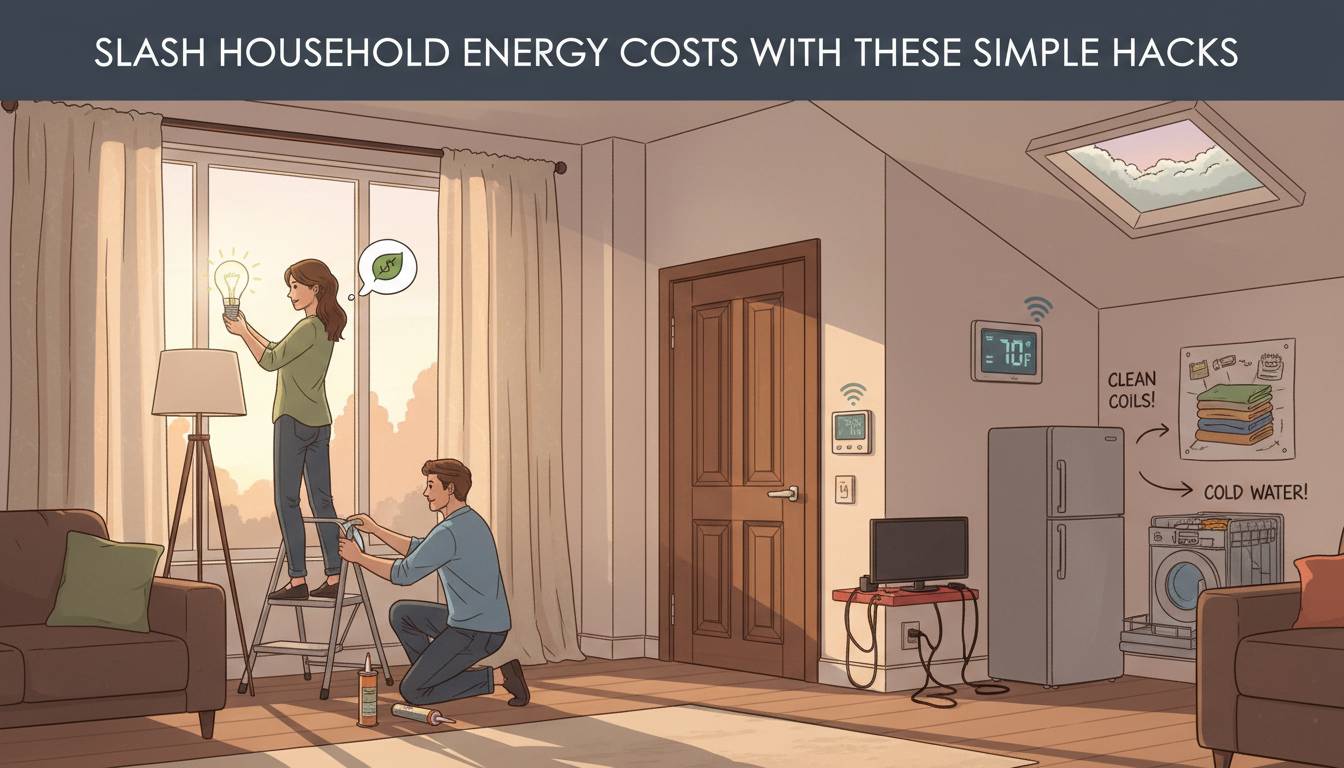
The average American household spends approximately $2,200 annually on utility bills, with heating and cooling accounting for nearly half of that total. For many families, energy costs represent the second-largest expense after housing, yet most households leak hundreds of dollars yearly through inefficiencies they don’t even recognize. The good news: you don’t need expensive upgrades or radical lifestyle changes to meaningfully reduce these costs. Most household energy waste stems from predictable patterns—inefficient habits, overlooked maintenance issues, and simple knowledge gaps—that can be addressed with targeted, low-cost strategies.
This guide provides a practical roadmap to cutting your household energy costs by 20% to 30% through actionable steps that range from instant behavioral adjustments to strategic investments. Each recommendation is grounded in real energy data and designed to deliver measurable savings within your existing home, regardless of its age or current efficiency profile.
Understanding Where Your Energy Goes
Before implementing changes, you need to understand your energy consumption patterns. The U.S. Energy Information Administration reports that heating and cooling combine to represent 48% of average home energy use, followed by water heating at 14%, appliances at 13%, and lighting at 9%. This distribution reveals why focusing on HVAC optimization yields the greatest returns—nearly half your energy dollars flow through these systems.
The remaining 16% covers miscellaneous loads including electronics, laundry, and small appliances. What surprises many homeowners is how quickly small devices add up. The Lawrence Berkeley National Laboratory found that “vampire power”—the electricity consumed by devices in standby mode—costs households an average of $100 to $200 per year. These phantom loads are entirely preventable.
Understanding your monthly breakdown requires more than just reading your utility bill. Most utilities offer free energy monitoring tools or can provide interval data showing when you use the most power. This information identifies your priority areas. A household that peaks at 6 PM faces different challenges than one that uses most energy heating an older home during winter mornings. Tailor your approach to your actual consumption patterns rather than generic advice.
Quick Wins That Deliver Immediate Savings
Some of the most effective energy cost reductions require zero investment beyond awareness. These quick wins address the most common sources of waste found in virtually every household.
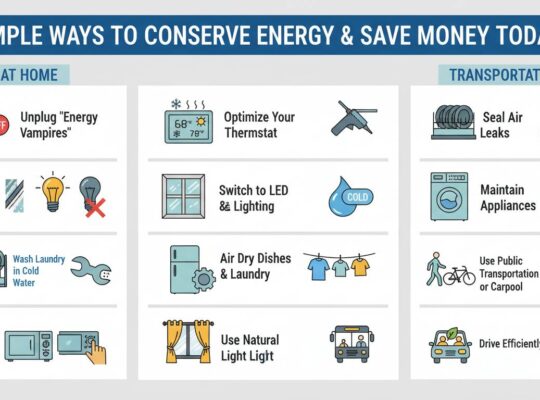
Turn off lights when leaving rooms. This seems obvious, but behavioral studies consistently show that only 20% of households consistently practice this habit. Installing motion sensors in frequently used spaces like bathrooms, closets, and garages eliminates the dependency on memory. A single incandescent bulb left on eight hours daily costs approximately $10 annually—multiply that by ten or twenty lights throughout your home, and you’re looking at meaningful waste.
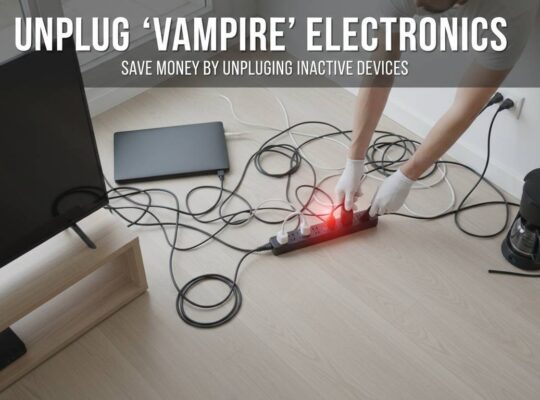
Unplug vampire loads. Devices like televisions, computers, game consoles, and kitchen appliances continue drawing power even when “off.” The easiest solution is using power strips with switches—you can turn off an entire entertainment center or home office setup with one flip. For frequently used devices, smart plugs offer scheduling capabilities that automatically cut power during sleeping hours.
Adjust water heater temperature. The Department of Energy recommends setting water heaters to 120°F for safety and efficiency. Every 10°F reduction saves 3% to 5% on water heating costs. Most water heaters come factory-set at 140°F, and many households never adjust this setting. A simple dial adjustment takes seconds and costs nothing.
Use natural lighting strategically. Opening curtains on south-facing windows during winter days lets solar heat offset artificial heating needs. In summer, closing them during peak afternoon hours reduces cooling loads. This costs nothing and leverages passive solar design principles that have warmed and cooled buildings for centuries.
Optimizing Your Heating and Cooling Systems
Given that HVAC systems consume nearly half your energy budget, optimizing their performance delivers outsized returns. The average household can reduce heating and cooling costs by 15% to 25% through proper maintenance and strategic adjustments.
Replace air filters regularly. A clogged forced-air filter forces your system to work harder, increasing energy use by 5% to 15% while reducing indoor air quality and shortening equipment lifespan. Check filters monthly during heavy-use seasons and replace every one to three months depending on filter type and household factors like pets. This $10 to $20 expense takes five minutes and pays for itself within weeks.
Use a programmable or smart thermostat. The EPA’s Energy Star program estimates that proper thermostat scheduling can save about $180 annually. Programmable models start at $25, while smart thermostats (which learn your schedule and optimize accordingly) range from $100 to $250 but often qualify for utility rebates. The key is setting temperatures 7°F to 10°F lower when you’re asleep or away for eight hours or more—this is the range where savings compound most significantly.
Seal air leaks and add insulation. The Department of Energy estimates that air leakage accounts for 25% to 40% of energy loss in most homes. Common culprits include windows, doors, electrical outlets on exterior walls, and penetrations for plumbing and wiring. Weather stripping doors and caulking windows costs under $20 and can reduce heating costs by 10% to 20% in drafty homes. Attic insulation, which often settles or was inadequately installed in older homes, represents a larger but still modest investment that typically pays back within three to seven years.
Schedule professional maintenance. Annual HVAC tune-ups improve efficiency by 5% to 15% and catch small problems before they become expensive repairs. Maintenance also extends equipment life, meaning you replace your furnace or air conditioner less frequently. Most service calls cost $80 to $200—an investment that pays dividends throughout the system’s operational life.
Lighting Strategy: Beyond Bulb Replacements
Lighting accounts for roughly 9% of home energy use, but strategic improvements here offer immediate returns with minimal investment.
Switch to LED bulbs. Lighting Science Group research indicates that LED bulbs use 75% less energy than incandescent alternatives and last 25 times longer. While LEDs cost more upfront—typically $3 to $10 per bulb versus under $1 for incandescents—replacing your most-used bulbs provides returns within one to two years. A 60-watt equivalent LED uses only 9 watts, saving approximately $7 annually per bulb in typical use.
Implement layered lighting. Overlighting rooms wastes energy without improving visibility. Install lower-wattage ambient lighting supplemented by task lighting where needed. This approach often allows using fewer total fixtures at lower wattages while maintaining or improving functionality.
Take advantage of natural light. During daylight hours, most rooms need no artificial lighting. Developing the habit of opening blinds and relying on natural light eliminates unnecessary artificial lighting entirely during daytime hours—a simple behavioral change that costs nothing.
Appliance Efficiency and Usage Optimization
Major appliances account for significant energy use, but smarter usage patterns often matter more than purchasing new equipment. The average refrigerator runs 24/7 for decades, making its efficiency critical, while occasional-use items like dishwashers offer optimization opportunities.
Run full loads only. Dishwashers and washing machines use relatively fixed energy regardless of load size. Running partial loads wastes the energy used to heat water and run motors. Wait for full loads rather than running smaller, more frequent cycles.
Air-dry dishes and clothes. Both dishwashers and dryers consume substantial energy. Most dishwashers have an air-dry or energy-saver setting that uses only the heating element during the final rinse rather than throughout drying. Air-drying clothes either on a line or a drying rack eliminates dryer energy use entirely—one of the highest-draw appliances in most homes.
Match pot sizes to burner sizes. Electric stoves are notoriously inefficient, with only about 65% to 70% of heat reaching the pot. Using a six-inch pan on an eight-inch burner wastes nearly 40% of the energy used. This simple attention to cookware selection reduces cooking energy waste significantly.
Clean refrigerator coils. Dusty refrigerator coils force the compressor to work harder, increasing energy use by 15% to 25%. Vacuuming coils (usually located on the back or bottom of the refrigerator) once or twice yearly takes minutes and restores efficiency.
Strategic Upgrades: When Investment Makes Sense
While behavioral changes and maintenance provide the fastest returns, some situations call for equipment upgrades. The key is targeting investments where the cost-to-savings ratio delivers payback within a reasonable timeframe—typically five to seven years for most home improvements.
Replace old appliances with Energy Star models. The Energy Star certification indicates efficiency at least 10% to 25% better than federal minimums. Refrigerators older than 15 years use significantly more energy than modern equivalents—a 20-cubic-foot refrigerator from 2001 uses approximately 1,400 kWh annually, while an Energy Star model of similar size uses about 450 kWh. At current electricity rates, that’s $100 or more in annual savings.
Upgrade to a heat pump. Heat pumps provide both heating and cooling by moving heat rather than generating it, making them two to three times more efficient than traditional furnaces or air conditioners. The Department of Energy reports that heat pumps can reduce heating costs by 50% compared to electric resistance heating. While installation costs exceed conventional systems, federal and utility incentives often cover 30% to 50% of the premium, making the payback period surprisingly short—often five years or less in regions with high heating or cooling demands.
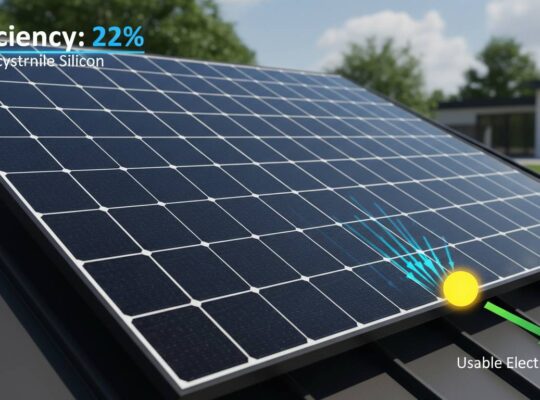
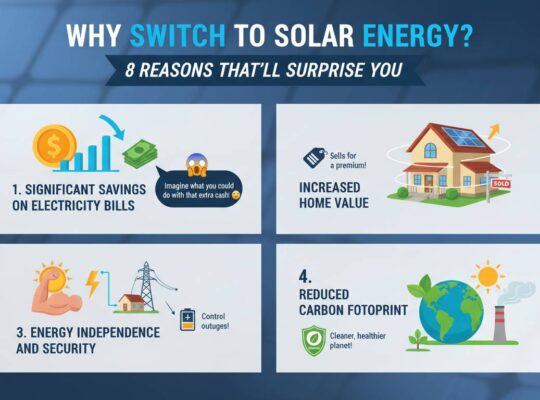
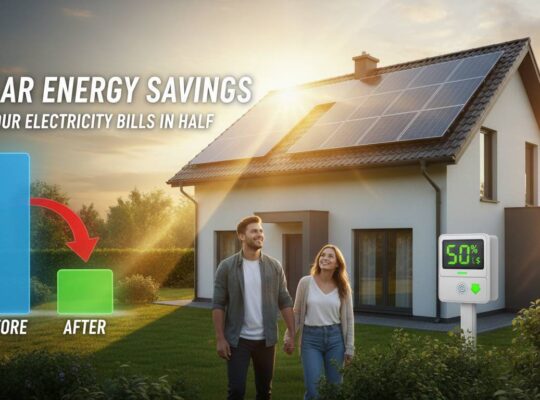
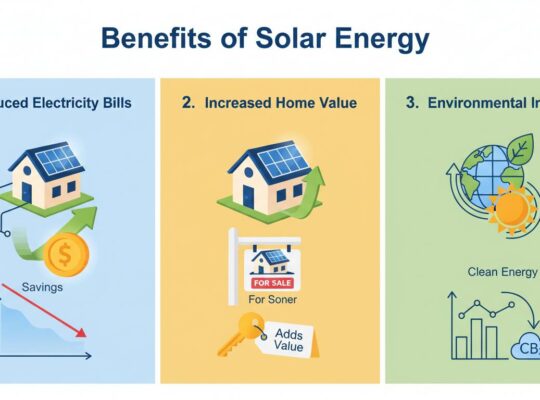
Install solar panels where appropriate. Rooftop solar has dropped in cost by over 90% since 2010, making it viable in many regions. The average residential system pays for itself in six to twelve years depending on local electricity rates, sunlight, and available incentives. However, solar makes the most sense for homes with good roof exposure, higher electricity consumption, and available roof space. Leasing options eliminate upfront costs but reduce long-term savings, so purchasing or carefully evaluating lease terms matters significantly.
Behavioral Changes That compound Over Time
Beyond specific actions, developing energy-conscious habits creates lasting savings that persist year after year. These behavioral shifts require attention initially but become automatic with practice.
Develop a temperature setback routine. Rather than constantly adjusting the thermostat, establish consistent settings for sleeping hours and regular absences. This eliminates the temptation to “crank up” the heat when you return home, which actually wastes energy while your system struggles to catch up. A programmable thermostat enforces this automatically.
Cook efficiently. Using the right-size pot for the job, covering pots to reduce cooking time, and using the microwave or slow cooker for appropriate meals all reduce energy use. Microwaves use about 50% less energy than conventional ovens for reheating and cooking small portions.
Reduce phantom loads systematically. Rather than individually unplugging devices, assign zones—a single power strip for entertainment equipment, another for home office gear, another for kitchen appliances. This makes enabling or disabling entire zones effortless.
Wash clothes in cold water. About 90% of the energy used by washing machines goes to heating water. Modern detergents clean effectively in cold water for most loads, and cold water is gentler on clothes, extending their lifespan. This single change can save $50 to $100 annually.
Calculating Your Savings Potential
The exact savings from these strategies depend on your starting point, local utility rates, climate, and existing equipment. However, a household implementing the full range of recommendations typically sees 25% to 35% reductions in utility costs. For a $2,200 annual bill, that’s $550 to $770 in savings—money that can fund vacations, investments, or debt reduction.
Prioritizing the highest-impact changes first ensures you capture the greatest savings quickly. Start with thermostat adjustments, filter changes, and vampire load elimination—all free or nearly free. Add weatherization and lighting upgrades next. Reserve major equipment purchases for situations where existing systems are failing or grossly inefficient. This sequenced approach maximizes return on your time and money investment.
Frequently Asked Questions
How much can I realistically save by reducing household energy costs?
Most households can achieve 20% to 30% reductions in utility costs through comprehensive energy efficiency measures. For the average U.S. household spending $2,200 annually, that’s $440 to $660 in savings. Individual results vary based on current inefficiencies, local climate, and which measures you implement. Starting with quick wins like thermostat adjustments and filter changes typically yields 10% to 15% savings immediately.
What is the cheapest way to reduce home energy costs?
The lowest-cost strategies include adjusting your thermostat by 7°F to 10°F when sleeping or away (free), replacing HVAC filters regularly ($10-$20 per year), unplugging vampire loads through power strips ($10-$30 for a power strip), and changing light bulbs to LEDs ($3-$10 per bulb). These measures require minimal investment but collectively save $200 to $400 annually for most households.
How long does it take to see savings from energy efficiency measures?
Some savings appear immediately—thermostat adjustments and turning off lights save instantly. Filter replacements and vampire load elimination take effect on the next utility bill. Weatherization and insulation improvements show results within one to three months. Equipment upgrades like new appliances or HVAC systems typically take one to three years to recoup through reduced operating costs, though this timeline shortens with rising electricity rates.
Should I invest in a smart thermostat?
Yes, smart thermostats are worthwhile for most households. They typically cost $100 to $250 but save $150 to $250 annually through optimized scheduling and learning capabilities. Many utility companies offer rebates of $50 to $150, reducing your net cost. The convenience of remote control and automatic adjustments makes them valuable beyond pure energy savings, and most households recover their investment within one to two years.
Does turning off lights actually save significant money?
Yes, though the amount depends on the bulbs you’re using. An incandescent bulb left on eight hours daily costs approximately $10 per year at average U.S. electricity rates. A 60-watt equivalent LED costs about $1.50 annually for the same use. While individual bulbs seem minor, multiplying by 15 to 30 fixtures throughout a home adds up to $50 to $150 in annual savings—enough to matter, especially when combined with other measures.
When should I replace my HVAC system for energy savings?
Consider replacement if your heating or cooling system is more than 15 years old, requires frequent repairs, or shows signs of declining performance. New systems are 15% to 30% more efficient than units from the early 2000s. However, proper maintenance and thermostat optimization often provide 80% of potential savings at a fraction of replacement cost. Replace when repairs become frequent or when upgrading would coincide with other home improvements, rather than as a first-line energy strategy.