Hydropower stands as one of the most reliable and mature renewable energy sources in the United States, generating approximately 6.2% of the nation’s total electricity and nearly 40% of its renewable electricity. As concerns about climate change intensify and energy security becomes increasingly paramount, understanding the multifaceted benefits of hydropower has never been more relevant. This renewable energy technology harnesses the natural power of flowing water to generate electricity, offering a combination of environmental, economic, and operational advantages that few other energy sources can match. Whether you’re an energy professional, policy maker, or simply an informed citizen, recognizing these benefits provides essential insight into how the United States can transition toward a more sustainable energy future while maintaining grid reliability and economic competitiveness.
1. Renewable and Sustainable Energy Generation
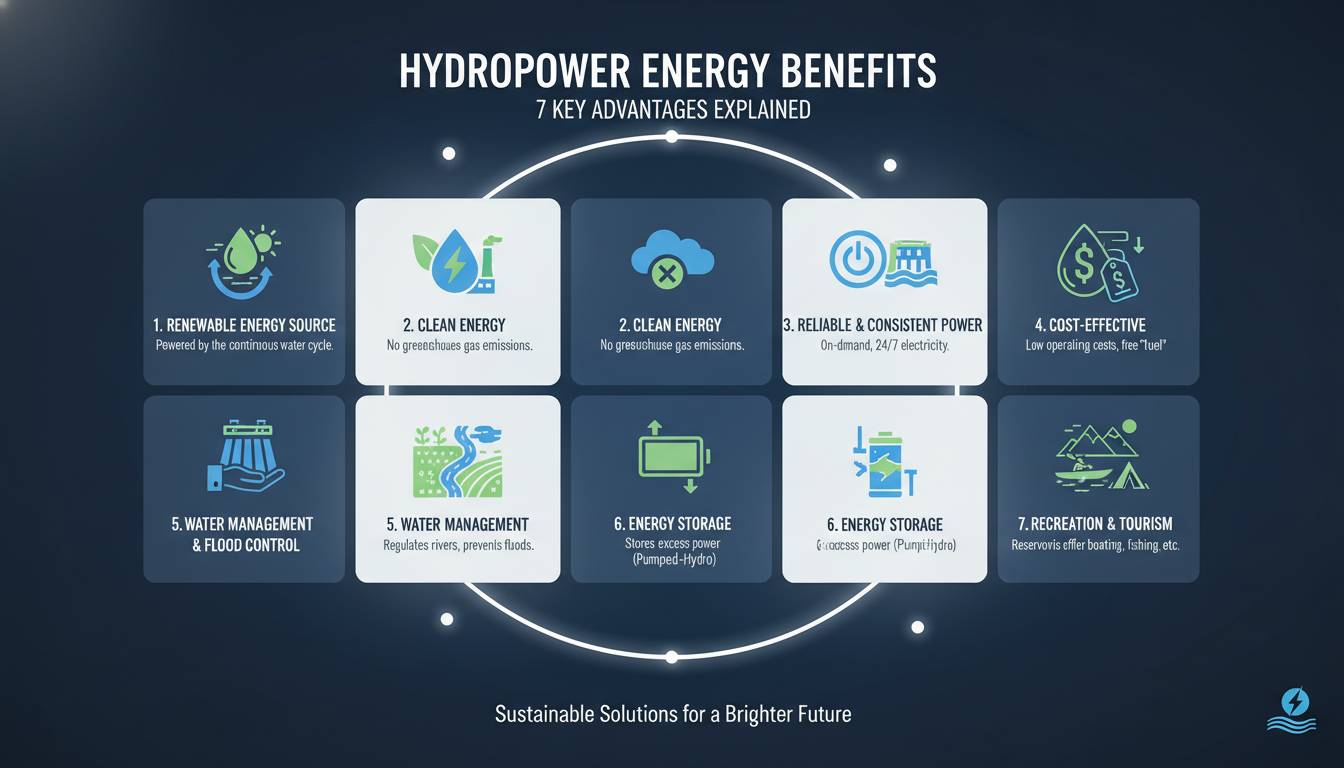
Hydropower operates as a truly renewable energy source because it relies on the water cycle, which is continuously replenished by precipitation and solar evaporation. Unlike fossil fuels that require extraction and combustion, water flows through hydroelectric facilities without being depleted during energy generation. The United States boasts over 2,500 hydroelectric power plants, making it one of the world’s largest hydropower producers. According to the U.S. Department of Energy, hydropower facilities have operated continuously for more than a century in many regions, demonstrating exceptional longevity and reliability.
The sustainability aspect extends beyond mere renewability. Hydropower facilities can operate for 50 to 100 years or more with proper maintenance, representing a long-term investment in domestic energy infrastructure. This durability contrasts sharply with the finite nature of fossil fuel reserves and the relatively short operational lifespans of some renewable technologies. Furthermore, water resources can be managed intelligently through reservoir systems that store water during periods of high precipitation for use during dry seasons, ensuring consistent energy production regardless of seasonal variations in rainfall patterns.
2. Clean Energy with Zero Direct Emissions
One of the most significant hydropower energy benefits involves its clean generation profile. Hydropower produces electricity without burning fossil fuels, which means no direct carbon dioxide emissions occur during power generation. According to the U.S. Environmental Protection Agency, hydropower prevents approximately 200 million metric tons of carbon dioxide emissions annually compared to fossil fuel-based generation. This emissions-free operation positions hydroelectric power as a critical tool in the nation’s efforts to combat climate change and reduce greenhouse gas emissions.
The indirect environmental benefits extend further when considering the entire lifecycle of hydropower facilities. While construction and dam creation involve environmental considerations, the operational phase produces virtually no air pollutants. Unlike coal or natural gas plants, hydroelectric facilities do not release sulfur dioxide, nitrogen oxides, or particulate matter that contribute to respiratory illnesses and environmental degradation. This clean profile makes hydropower particularly valuable for areas seeking to improve air quality while meeting growing electricity demands. The Tahoe National Forest and numerous other regions have benefited from reduced pollution thanks to hydroelectric generation replacing fossil fuel plants.
3. Reliable and Dispatchable Power Generation
Hydropower offers unmatched reliability among renewable energy sources due to its ability to generate power on demand. Unlike solar and wind generation, which depend on weather conditions, hydroelectric facilities can ramp up or down within minutes, providing essential grid stability and meeting peak electricity demands. This dispatchability makes hydropower invaluable for balancing the intermittent nature of other renewable sources like wind and solar, creating a more resilient and flexible electricity grid.
The response time advantage cannot be overstated. According to the National Renewable Energy Laboratory, hydroelectric plants can go from zero to full power output in under two minutes, while natural gas combined-cycle plants typically require 10 to 30 minutes. This rapid response capability allows hydropower facilities to serve as grid stabilizers, absorbing sudden increases in demand and providing critical backup during unexpected generation outages. In regions like the Pacific Northwest, where hydropower constitutes over 50% of electricity generation, this reliability ensures consistent power supply regardless of weather conditions or time of day.
4. Economic Advantages and Job Creation
The economic benefits of hydropower extend across multiple dimensions, from direct operational savings to substantial employment opportunities. Hydroelectric facilities, once constructed, generate electricity at remarkably low operating costs because water itself is free. The U.S. Energy Information Administration reports that hydropower has the lowest average operating costs among major electricity generation sources, typically ranging from $0.05 to $0.10 per kilowatt-hour, compared to $0.07 to $0.15 for natural gas and $0.20 to $0.30 for coal.
Employment creation represents another significant economic benefit. The hydropower industry supports approximately 300,000 jobs across the United States, spanning engineering, construction, operations, maintenance, and associated sectors. According to the National Hydropower Association, these jobs are distributed throughout the country, with particular concentrations in states like Washington, Oregon, California, and New York. Beyond direct employment, hydroelectric facilities generate substantial property tax revenue for local communities and contribute to tourism and recreation economies, particularly in areas surrounding reservoirs and recreational waterways.
5. Flood Control and Water Management
Hydropower facilities provide crucial flood control capabilities that protect communities, agricultural lands, and infrastructure downstream from hydroelectric dams. By storing water during periods of heavy precipitation and releasing it in controlled amounts, these facilities mitigate catastrophic flooding that could otherwise cause billions of dollars in damages and potential loss of life. The Army Corps of Engineers manages numerous multi-purpose hydroelectric projects that explicitly prioritize flood control alongside power generation.
Water management applications extend beyond flood control to include irrigation support, municipal water supply, and environmental flow maintenance. Reservoir systems created by hydroelectric dams store water for agricultural use during dry periods, supporting food production in regions that would otherwise face water scarcity. Cities like Los Angeles, Phoenix, and Las Vegas rely partially on water stored behind hydroelectric dams for municipal supplies. This versatility transforms hydropower facilities into comprehensive water resource management tools that serve multiple community needs simultaneously, maximizing the return on infrastructure investments.
6. Energy Independence and Security
Hydropower contributes substantially to American energy independence by producing domestic electricity without importing fuel. Unlike natural gas, coal, or oil, which often involve international supply chains vulnerable to geopolitical disruptions, hydroelectric power relies entirely on domestic water resources. This independence provides price stability and protects the economy from international commodity market fluctuations that can dramatically increase electricity costs for consumers.
The strategic value of hydropower became particularly evident during the 1970s oil embargoes, which catalyzed significant investment in domestic hydroelectric development. Today, the technology continues to serve as a cornerstone of national energy security strategy. According to the Department of Energy, hydropower provides approximately 52 gigawatts of installed capacity that operates continuously regardless of international circumstances. This domestic generation capacity ensures that critical infrastructure, hospitals, and defense facilities maintain power supply even during international emergencies that might disrupt fuel imports.
7. Long-Term Cost Effectiveness
The lifecycle cost profile of hydropower demonstrates exceptional long-term value despite higher initial capital investments. While constructing a hydroelectric facility requires substantial upfront financing, operational expenses remain minimal once facilities come online. Many American hydroelectric plants, some dating back to the early 20th century, continue generating electricity economically today with original equipment that has been properly maintained. This longevity creates an asset that pays dividends for generations.
Infrastructure optimization opportunities continue emerging as technology advances. Modernizing existing hydroelectric facilities through turbine upgrades, automation improvements, and efficiency enhancements can increase generation capacity by 10 to 30% at a fraction of the cost of new construction. The Department of Energy estimates that upgrading existing facilities could add 12 to 15 gigawatts of capacity without constructing new dams. This “hydro potential” represents a cost-effective pathway to increase renewable generation while leveraging existing infrastructure and minimizing environmental disruption.
Conclusion
Hydropower energy benefits encompass a remarkable range of advantages that position this technology as a foundational element of America’s clean energy transition. From providing reliable, dispatchable power that balances intermittent renewables to delivering clean electricity without direct emissions, hydroelectric generation addresses multiple contemporary energy challenges simultaneously. The economic advantages, including job creation, operational cost savings, and flood control value, compound these benefits further. As the United States pursues ambitious decarbonization goals while maintaining grid reliability, hydropower offers a proven, domestic solution that has delivered value for over a century and promises continued contributions toward a sustainable energy future. Investing in the modernization and responsible expansion of hydroelectric capabilities represents one of the most pragmatic strategies available for achieving energy security, economic prosperity, and environmental stewardship in equal measure.
Frequently Asked Questions
How does hydropower compare to other renewable energy sources in terms of reliability?
Hydropower stands as the most reliable renewable energy source because it can generate power on demand regardless of weather conditions. While solar and wind generation depend on sunlight and wind patterns, hydroelectric facilities can ramp up or down within minutes to meet electricity demand. This dispatchability makes hydropower essential for grid stability and allows it to compensate for the intermittent nature of other renewables.
What are the environmental concerns associated with hydropower?
While hydropower produces clean electricity during operation, environmental concerns include impacts on fish migration, river ecosystems, and aquatic habitats. Dam construction can alter natural river flows and affect water quality. However, modern fish passage technologies, environmental flow requirements, and careful site selection have significantly mitigated these impacts. Many facilities now incorporate fish ladders, turbine designs that reduce fish mortality, and operational practices that protect aquatic ecosystems.
How long do hydroelectric power plants typically last?
Hydroelectric facilities have exceptional longevity, with many operating reliably for 50 to 100 years or more. The Grand Coulee Dam, completed in 1942, continues operating at full capacity today. With proper maintenance and periodic modernization, these facilities can extend their operational life indefinitely, making them among the most durable energy infrastructure investments available.
Can new hydropower development occur sustainably in the United States?
Yes, sustainable hydropower development remains viable through multiple approaches. Converting existing non-powered dams to generate electricity, upgrading aging facilities with modern technology, and developing small-scale run-of-river projects minimize environmental impact while adding renewable capacity. The Department of Energy estimates potential for 12 to 15 gigawatts of new capacity through these approaches without constructing new dams, representing a sustainable pathway for growth.