The average American household spends approximately $2,060 annually on electricity bills—roughly $172 per month. For many families, this represents one of the largest monthly expenses after housing and transportation. Yet most households are unknowingly wasting 10% to 30% of that energy through inefficiencies that take minutes to fix.
Key Insights
– HVAC systems consume nearly half of your home’s total energy
– Standby power (“vampire loads”) accounts for 5-10% of residential electricity use
– Switching to LED lighting can reduce lighting costs by up to 80%
– The U.S. Department of Energy estimates households can save 10% to 30% annually through energy efficiency measures
This guide provides actionable, proven strategies to dramatically reduce your electricity consumption without sacrificing comfort. You’ll learn which upgrades deliver the fastest returns, which behavioral changes require zero investment, and how to prioritize your efforts for maximum savings.
Understanding Your Electricity Consumption
Before making changes, you need to understand where your electricity goes. Most homeowners are surprised to learn exactly how energy is distributed across their homes.
| End Use | Average % of Home Energy | Annual Cost (~$170/month bill) |
|---|---|---|
| Heating & Cooling | 47% | $960 |
| Water Heating | 14% | $288 |
| Lighting | 10% | $206 |
| Refrigeration | 9% | $185 |
| Other Appliances | 13% | $268 |
| Electronics (standby) | 7% | $144 |
Source: U.S. Department of Energy, 2023 Residential Energy Consumption Survey data
The Department of Energy reports that heating and cooling dominate your energy bill by a significant margin—nearly half of all electricity used in the average American home goes to temperature regulation. This single category represents your greatest opportunity for savings.
Dr. Michael G. Jones, building performance engineer at Lawrence Berkeley National Laboratory, explains: “Most homes have significant efficiency gaps in their HVAC systems—often 20% to 30% more energy consumption than necessary. Addressing these gaps typically offers the fastest return on investment of any efficiency measure.”
Quick Wins: Easy Changes with Big Impact
You can start saving money today without spending a single dollar. These behavioral adjustments and simple fixes take minutes to implement and compound quickly over monthly bills.
Thermostat Adjustments That Save
– Lower winter thermostat by 2°F: Saves approximately 5% on heating costs
– Raise summer thermostat by 2°F: Saves approximately 5% on cooling costs
– Use a programmable schedule: Automatic adjustments when you’re away can save 10% annually
The U.S. Environmental Protection Agency’s Energy Star program estimates that properly using a programmable thermostat can save homeowners up to $180 per year—money lost to unnecessary heating and cooling during work hours, sleeping hours, and vacation periods.
Unplug Vampire Loads
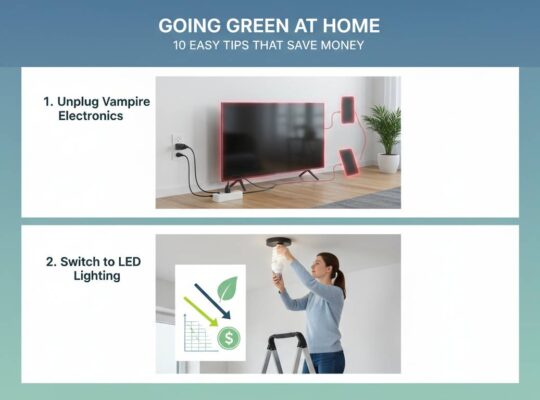
Devices in standby mode consume power even when turned off. According to the Lawrence Berkeley National Laboratory, “vampire power” or “phantom load” costs U.S. households approximately $10 billion annually.
Quick vampire load elimination:
– Unplug phone chargers when not in use
– Use power strips to easily disconnect multiple devices
– Disable “instant on” features on televisions and gaming consoles
– Unplug secondary refrigerators in garages (if empty)
Seal Air Leaks
The U.S. Department of Energy estimates that air leaks account for 10% to 25% of heating and cooling costs in typical homes. Weather stripping and caulking small gaps around windows, doors, and electrical outlets costs less than $20 and can yield 10% to 20% savings on your energy bill.
HVAC Optimization Strategies
Since heating and cooling represent nearly half your electricity costs, optimizing your HVAC system delivers the most significant savings. These strategies range from free behavioral changes to smart investments.
Filter Maintenance
A dirty HVAC filter forces your system to work harder, increasing energy consumption by 5% to 15% and reducing indoor air quality. Replace filters every 1-3 months depending on usage and whether you have pets or allergies. This simple $10-20 task takes less than five minutes and pays for itself within weeks.
Ductwork Inspection
The Energy Information Administration reports that ducts can lose 20% to 40% of energy through leaks, holes, and poor connections in typical homes. While professional duct sealing costs $200-500, it can reduce heating and cooling costs by 20% or more annually—often paying back within 2-3 years.
Optimal Thermostat Placement
Never place thermostats near heat sources like windows, appliances, or direct sunlight. These false readings cause your system to run longer than necessary. Relocating a thermostat just a few feet can reduce energy waste by 5% to 10%.
Ceiling Fan Direction
In summer, ceiling fans should rotate counterclockwise to push cool air down. In winter, reverse to clockwise at low speed to circulate warm air that rises to the ceiling. Using fans with your HVAC allows you to set thermostats 4°F higher in summer without sacrificing comfort.
Lighting Upgrades That Work
Lighting accounts for roughly 10% of home energy use, but the savings available from efficient lighting are among the easiest to capture.
LED vs. Incandescent Comparison
| Metric | LED Bulb | Incandescent Bulb |
|————|————–|———————-|
| Lifespan | 25,000 hours | 1,200 hours |
| Cost to operate (10 bulbs, 5 hrs/day) | $30/year | $165/year |
| Energy use (60W equivalent) | 8-9 watts | 60 watts |
| Heat emission | 10% | 90% |
Source: Energy Star and U.S. Department of Energy lighting efficiency data
The Consumer Federation of America calculates that replacing 20 frequently-used incandescent bulbs with LEDs saves approximately $550 over each bulb’s lifetime—roughly $40 per year for the average household.
Smart Lighting Controls
Motion sensors, timers, and smart bulbs that automatically adjust or shut off when rooms are empty can save an additional 20% to 30% on lighting costs beyond basic LED upgrades. These devices cost $15-50 per room and require no ongoing expenses.
Kitchen and Appliance Efficiency
Kitchens are energy-intensive spaces where small changes produce meaningful savings over time.
Refrigerator Optimization
Refrigerators run 24 hours a day, making efficiency improvements particularly valuable.
- Temperature setting: Keep refrigerators at 37-40°F and freezers at 0-5°F. Each degree colder uses 5% more energy.
- Coil cleaning: Dusty condenser coils force compressors to work harder, increasing energy use by up to 25%. Clean coils annually.
- Door seals: Test with the dollar bill test—if it pulls out easily, seals need replacement ($20-40).
- Avoid leaving doors open: Each minute with the door open adds 30-60 minutes of recovery cooling time.
Dishwasher and Laundry Strategies
– Run full loads only—it uses the same energy regardless of load size
– Use cold water for laundry when possible—heating water accounts for 90% of dishwasher and washing machine energy use
– Air dry dishes instead of using heat dry settings—saves 15% to 50% per load
– Clean lint traps in dryers—clogged lint increases energy use by 30%
Cooking Efficiency
Microwaves use approximately 50% less energy than conventional ovens for reheating. Using lids on pots reduces cooking time by 20% to 30%. Pressure cookers and slow cookers consume less energy than oven cooking while delivering similar results.
Smart Home Technology Investments
Modern smart home technology offers unprecedented control over your energy consumption, though initial investment varies significantly.
Smart Thermostats
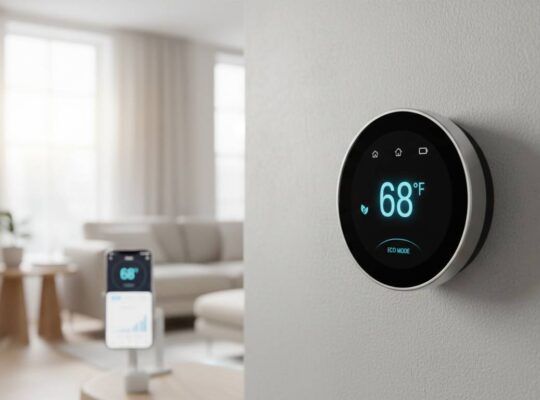
Devices like ecobee, Nest, and Honeywell T6 learn your schedule and preferences while providing remote control via smartphone apps.
Investment range: $120-250
Annual savings: $130-180 (Energy Star estimate)
Payback period: 1-2 years
These devices optimize heating and cooling based on occupancy, weather predictions, and learned patterns. The U.S. EPA’s Energy Star program reports that smart thermostats consistently achieve the 10% to 15% savings they advertise.
Smart Power Strips
Advanced power strips automatically cut power to peripheral devices when primary devices shut off—for example, turning off your computer automatically cuts power to monitors, speakers, and chargers.
Investment: $20-40 per strip
Annual savings: $50-150 (depending on equipment)
Payback period: 3-8 months
Energy Monitoring Systems
Devices like Sense, Emporia, or Neurio attach to your electrical panel to identify which circuits consume the most energy, often revealing surprising consumption patterns.
Investment: $250-500
Typical discovery: 5% to 15% additional savings from previously unknown waste
Best for: High-bill households seeking detailed consumption data
Behavioral Changes and Seasonal Strategies
Energy efficiency extends beyond purchases and maintenance—daily habits significantly impact your monthly bill.
Peak Hours Impact
Many utility companies charge higher rates during peak demand hours, typically 4 PM to 9 PM in summer months. Shifting high-energy activities like laundry, dishwashing, and cooking outside these windows can save 10% to 25% on those specific activities.
Water Heating Efficiency
Water heating represents 14% of home energy use. Reducing water heater temperature from 140°F to 120°F saves 4% to 22% on water heating costs while reducing scalding risk. Insulating your water heater and first six feet of pipes prevents standby heat loss.
Seasonal Strategies
– Summer: Use ceiling fans, close blinds during peak afternoon sun, cook outdoors or during cooler morning hours
– Winter: Open blinds on south-facing windows during day for free heating, close at night to retain warmth
– Year-round: Replace HVAC filters regularly, seal air leaks seasonally
The American Council for an Energy-Efficient Economy reports that combining multiple behavioral changes with appropriate technology investments can reduce household electricity consumption by 30% to 50%—potentially saving $600-1,000 annually.
Frequently Asked Questions
How much can I realistically save by implementing all these tips?
Most households that implement a combination of behavioral changes, basic maintenance, and strategic upgrades can reduce their electricity bills by 25% to 40%. The American Council for an Energy-Efficient Economy reports that comprehensive efficiency approaches commonly achieve 30% to 50% savings. Your actual savings depend on current inefficiencies, local electricity rates, and which measures you implement.
What’s the first thing I should do to start saving energy?
Start with a free energy audit from your utility company—most offer this service. Meanwhile, immediately replace frequently-used lightbulbs with LEDs (typically under $5 each), adjust your thermostat by 2 degrees, and unplug obvious vampire loads. These three actions require no investment but immediately reduce waste.
Are smart thermostats worth the investment for rental properties?
Smart thermostats require some installation and may not be allowed in all rentals without landlord permission. However, they typically pay for themselves within 1-2 years through energy savings and can increase property value. If you’re a landlord, they represent a modest investment that reduces operating costs and attracts efficiency-conscious tenants.
How do I know if my home has energy waste I can’t see?
High electricity bills despite normal usage patterns indicate hidden waste. Professional home energy audits (often available through utility companies for $100-300) use blower door tests and infrared cameras to identify air leaks and insulation gaps invisible to homeowners. Alternatively, smart energy monitors ($250-500) can identify high-consumption circuits.
What’s the most cost-effective energy efficiency upgrade?
LED lighting offers the fastest return on investment for most households—bulbs pay for themselves within 6-12 months and last 10-25 times longer than incandescent bulbs. However, addressing HVAC inefficiencies (maintenance, sealing, upgrades) typically yields the largest total dollar savings because heating and cooling represent nearly half of most household energy use.
Conclusion
Reducing your electricity bill by half is an achievable goal for most households—not through sacrifice, but through smart decisions and strategic investments. The path to maximum savings follows a clear hierarchy: start with free behavioral changes (thermostat adjustments, vampire load elimination), move to low-cost maintenance (filter changes, seal air leaks), then invest in upgrades that deliver the best returns (LED lighting, smart thermostats).
By implementing the strategies in this guide, the average household can save $500-1,000 annually while maintaining or improving comfort. The environmental benefits—reduced demand on power grids and decreased emissions—multiply these savings across communities. Your next electricity bill offers an immediate opportunity to start saving.
Disclaimer: Electricity rates, savings figures, and efficiency recommendations vary by location, home construction, climate zone, and usage patterns. Contact your local utility company for region-specific programs, rebates, and assistance. Some upgrades may require professional installation—always follow manufacturer guidelines and building codes.