Wind power has become one of the fastest-growing sources of renewable energy in the United States, now accounting for over 10% of the nation’s electricity generation. As the country grapples with climate change and energy independence, understanding the true advantages and limitations of wind energy has never been more critical. This comprehensive analysis examines the multifaceted benefits and challenges of wind power, drawing on current data, industry reports, and environmental assessments to provide you with an unbiased, fact-based evaluation.
How Wind Power Works: The Basics
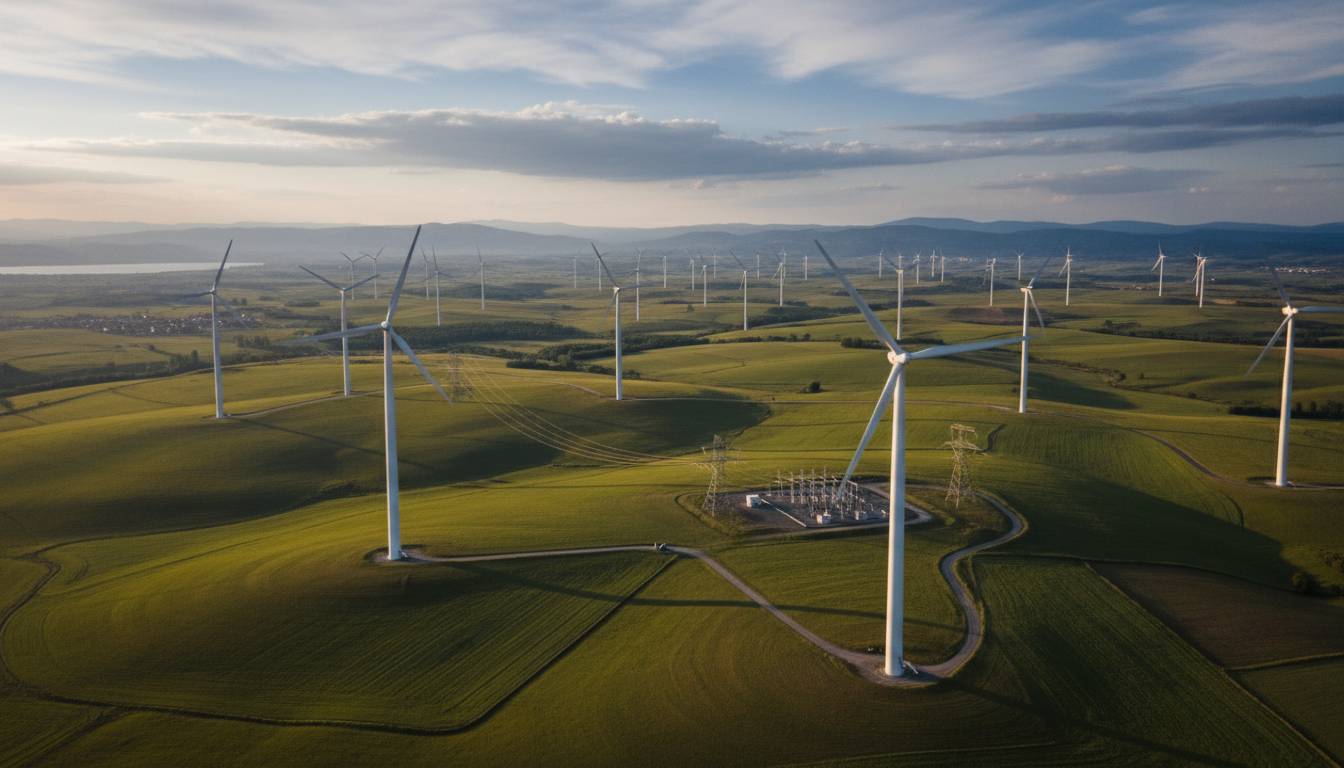
Before diving into the pros and cons, understanding how wind turbines generate electricity provides essential context. Wind turbines convert the kinetic energy of wind into mechanical power through their rotating blades. This mechanical energy then drives a generator to produce electricity. Modern utility-scale turbines can stand over 260 feet tall with rotor diameters exceeding 350 feet, capable of generating 2-5 megawatts of power each. The United States currently has over 70,000 wind turbines operating across 44 states, with Texas and Iowa leading in installed capacity .
Environmental Benefits of Wind Power
One of the most significant advantages of wind energy lies in its environmental profile. Wind power produces electricity without burning fossil fuels, meaning zero direct emissions during operation. According to the National Renewable Energy Laboratory, wind energy avoided approximately 332 million metric tons of carbon dioxide emissions in 2022 alone—the equivalent of removing 71 million cars from the road. This dramatic reduction in greenhouse gas emissions makes wind power a critical tool in addressing climate change while meeting growing electricity demands.
Beyond carbon reduction, wind power consumes virtually no water during electricity generation. Traditional thermoelectric power plants—regardless of whether they burn coal, natural gas, or nuclear fuel—require massive amounts of water for cooling. In contrast, wind turbines operate dry, helping preserve water resources especially crucial in drought-prone regions of the western United States. The water savings from a single large wind farm can exceed 1 billion gallons annually, according to energy industry analyses.
Wind energy also avoids the air pollution associated with fossil fuel combustion. Coal and natural gas power plants release sulfur dioxide, nitrogen oxides, and particulate matter that contribute to respiratory illness, acid rain, and ground-level ozone. By displacing these pollutants, wind power delivers measurable public health benefits, particularly in communities located near coal-fired power plants.
Economic Advantages and Cost Trends
The economics of wind power have transformed dramatically over the past decade. The levelized cost of electricity (LCOE) from new wind projects fell by nearly 70% between 2009 and 2022, making wind competitive with—and often cheaper than—new natural gas or coal facilities in many regions. The Wind Energy Technologies Office reports that wind electricity costs have reached $25-50 per megawatt-hour in favorable locations, compared to $40-80 for new natural gas combined-cycle plants.
This cost decline has driven massive investment in wind energy infrastructure. The wind power industry invested over $20 billion in new projects in 2022, with that figure expected to grow. These investments generate substantial economic activity, with wind-related manufacturing, construction, and operations creating jobs across the country. The wind sector now employs over 125,000 Americans, according to the American Clean Power Association, representing a 44% increase since 2016.
Rural communities hosting wind farms benefit particularly from economic development. Wind projects provide lease payments to landowners—typically $5,000-$10,000 per turbine annually—creating stable income streams for agricultural operations. Local governments receive significant property tax revenue from wind facilities, funding schools, roads, and emergency services. A single 100-megawatt wind farm can contribute $1-2 million annually in property taxes to local communities.
Energy Independence and Security Benefits
Wind power enhances American energy independence by utilizing domestic resources rather than importing fossil fuels. The United States imports approximately 6-7 million barrels of oil daily, costing hundreds of billions of dollars annually and creating strategic vulnerabilities. While wind electricity cannot directly replace transportation fuel, it displaces fossil fuel generation, reducing overall imports and associated trade deficits.
Wind energy also diversifies the electricity generation mix, reducing reliance on any single fuel source. Natural gas prices have historically exhibited significant volatility, with winter price spikes causing consumer bill increases and industrial competitiveness concerns. Adding wind capacity to the generation portfolio provides price stability, as wind turbines have no fuel costs once constructed. This diversification protects consumers from fuel price shocks and provides a buffer against supply disruptions.
Land Use and Visual Impact Considerations
Despite its benefits, wind power presents notable challenges requiring honest acknowledgment. Wind farms require substantial land areas, with typical utility-scale projects requiring 40-80 acres per turbine when accounting for spacing, access roads, and infrastructure. While turbines themselves occupy minimal ground space—often less than one acre per unit—the overall footprint can affect land use patterns.
Visual impact represents one of the most contentious aspects of wind farm development. Critics argue that large turbines create “industrialization” of rural landscapes, potentially affecting property values and tourism. Research on property value impacts yields mixed results, with some studies finding modest decreases for homes within view of wind farms while others detect no significant effects. The subjective nature of visual impact makes this challenge particularly difficult to quantify objectively.
Wildlife and Ecological Concerns
Wind power’s impact on wildlife—particularly birds and bats—represents a legitimate environmental concern requiring careful management. The U.S. Fish and Wildlife Service estimates that hundreds of thousands of birds die annually from collisions with wind turbines, though this figure represents a small fraction of total bird mortality compared to building collisions, cat predation, and habitat loss. Notably, fossil fuel power plants cause far greater bird deaths through habitat destruction and air pollution.
The wind industry has responded to these concerns with technological and operational improvements. Modern turbine designs operate at slower rotational speeds, reducing collision risk. Advanced radar systems can detect bird and bat activity, prompting automatic turbine shutdowns during migration events. The American Wind Wildlife Institute coordinates research between industry and conservation organizations, developing best practices that have reduced avian fatality rates at newer facilities.
Bats face particular vulnerability to wind turbines, with white-nose syndrome and wind energy representing leading causes of mortality for certain species. Research programs are developing acoustic deterrent systems and timing restrictions during peak bat activity periods to address this challenge.
Intermittency and Reliability Challenges
Wind power’s fundamental limitation lies in its variable, intermittent nature. Wind turbines generate electricity only when wind speeds fall within operational ranges—typically between 8-55 mph. Calm conditions can persist for days, requiring backup generation capacity to maintain electricity supply. This intermittency creates challenges for grid operators balancing electricity supply and demand in real-time.
The solution to intermittency lies in grid flexibility and storage integration. Natural gas “peaker” plants currently provide backup generation, though these fossil fuel facilities partially offset wind’s environmental benefits. Battery storage is emerging as a key complement to wind, with large-scale battery systems now providing grid services and smoothing variable output. The U.S. Energy Information Administration projects that battery storage capacity will grow from 3 gigawatts in 2023 to over 30 gigawatts by 2030.
Geographic diversity helps address local wind patterns. Connecting wind farms across multiple regions through transmission infrastructure allows operators to draw power from areas experiencing favorable conditions when others face calm weather. This “virtual power plant” approach reduces overall backup requirements and improves wind’s contribution to grid reliability.
Grid Integration and Transmission Infrastructure
Developing transmission infrastructure to connect wind-rich areas with population centers presents both logistical and political challenges. The best wind resources often exist in remote Great Plains and rural regions far from major cities requiring electricity. Building new transmission lines requires significant investment—typically $1-3 million per mile—and faces permitting obstacles and local opposition.
The existing transmission grid was largely designed for centralized fossil fuel and nuclear power plants located near demand centers. Integrating distributed wind generation requires system upgrades, expanded capacity, and enhanced coordination between regional grid operators. The inability to transmit wind power from surplus to deficit regions occasionally results in “curtailment”—reducing or stopping wind generation despite available capacity—wasting clean energy potential.
Community Impact and Siting Conflicts
Wind power projects frequently face community opposition, particularly regarding noise, shadow flicker, and property values. Wind turbines generate audible noise from mechanical components and blade passage through air, with sound levels depending on distance, turbine size, and atmospheric conditions. Modern turbines located more than 1,500 feet from residences typically produce noise below 45 decibels—comparable to ambient background levels in rural areas.
Shadow flicker occurs when rotating turbine blades cast shifting shadows through windows. While rarely a health concern, this effect can prove annoying for nearby residents. Siting guidelines typically require minimum distances between turbines and residences to mitigate both noise and flicker impacts.
Some communities have rejected wind projects through local ordinances or ballot initiatives, creating tension with state renewable energy mandates. Balancing local concerns against state and national clean energy goals requires thoughtful stakeholder engagement, meaningful community benefit programs, and transparent decision-making processes.
Frequently Asked Questions
How efficient is wind power compared to other energy sources?
Wind turbines operate at capacity factors of 25-45% in the United States, meaning they generate 25-45% of their theoretical maximum output over time. This is lower than nuclear plants (90%+) or coal (70-85%) but competitive with solar (20-30%). The key advantage is that wind often generates electricity during peak demand periods, particularly in the Great Plains where evening winds coincide with high electricity consumption.
Do wind turbines pose health risks to nearby residents?
Major health organizations, including the World Health Organization and the National Cancer Institute, have found no consistent evidence linking wind turbine exposure to adverse health outcomes. While some people report annoyance or sleep disturbance from turbine noise, these effects are subjective and not indicative of physical harm. Regulatory guidelines establish safe noise limits that protect residential communities.
What happens to wind turbines at the end of their lifespan?
Most wind turbines are designed for 20-30-year operational lifespans. Decommissioning involves removing towers, blades, and foundations, with materials recycled through steel reprocessing and composite material recovery. Industry standards now require decommissioning financial assurances, ensuring funds exist for proper site restoration when projects end.
Can wind power alone meet America’s electricity needs?
Wind power alone cannot reliably meet all electricity demand due to its intermittent nature, but it can provide a substantial portion—potentially 30-40% of the electricity mix—with adequate storage and grid improvements. The most realistic pathway involves diversified clean energy portfolios including wind, solar, nuclear, hydro, and battery storage working together to provide reliable, carbon-free electricity.
How much do wind turbines cost to install and maintain?
Utility-scale wind turbine costs range from $1.3-2.2 million per megawatt of capacity, meaning a 2-megawatt turbine costs approximately $2.6-4.4 million installed. Operation and maintenance costs average $40,000-50,000 annually per turbine, though these costs have declined as technology matured. Despite high upfront costs, low operating expenses result in competitive electricity pricing.
Are wind power jobs growing in the United States?
Yes, wind energy employment has grown substantially, with over 125,000 Americans now working in the sector. Job categories include manufacturing, construction, engineering, operations, and maintenance. Many positions require specialized training, providing career pathways in clean energy industries. The Department of Energy projects wind sector employment could reach 600,000 by 2050 under optimistic policy scenarios.
Conclusion
Wind power offers substantial benefits as part of a diversified clean energy strategy: zero-emission electricity generation, declining costs, job creation, and enhanced energy independence. These advantages have made wind one of the fastest-growing electricity sources in America. However, honest analysis requires acknowledging legitimate challenges: land use impacts, wildlife concerns, intermittency requiring backup generation, and grid integration complexities.
The trajectory of wind power development will depend on continued technological innovation, transmission infrastructure expansion, and policy support enabling cost-competitive deployment. Battery storage advancement, specifically, holds particular promise for addressing wind’s intermittency challenges. As the energy transition accelerates, wind power will likely remain a cornerstone of America’s clean energy portfolio, but its ultimate contribution depends on how effectively the nation addresses its remaining challenges while building on demonstrated strengths.
For stakeholders evaluating wind power—whether policymakers, utilities, landowners, or environmentally-conscious consumers—the balanced perspective offered here provides a foundation for informed decision-making. Wind energy represents neither a perfect solution nor a problematic technology, but rather a valuable tool requiring thoughtful deployment as part of comprehensive climate and energy strategy.