
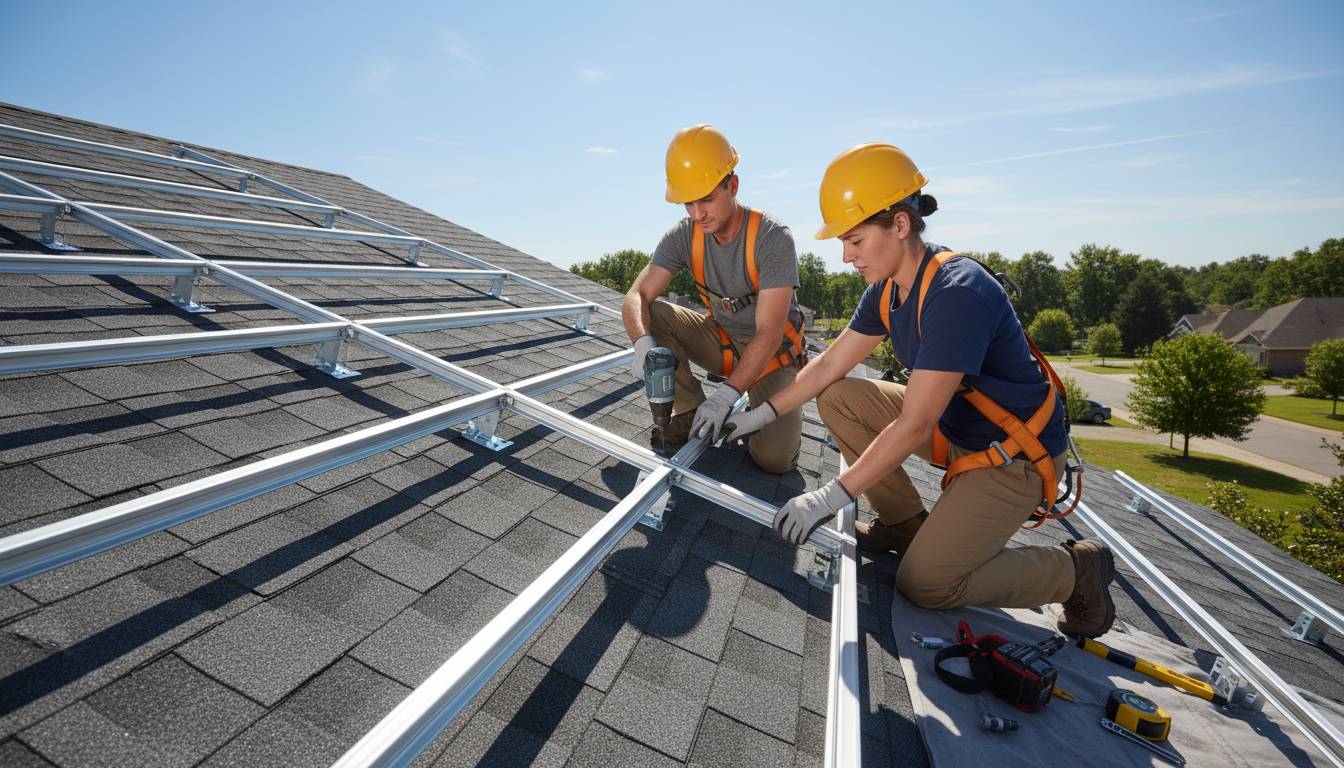
Going solar has transformed from an environmental fringe movement into a mainstream energy solution for American homeowners. Grid tie solar power systems—also called grid-connected or on-grid solar systems—allow you to generate your own electricity while remaining connected to the utility grid, creating a seamless exchange of power that can significantly reduce your monthly energy bills while providing backup reliability that standalone off-grid systems cannot match.
This comprehensive guide walks you through everything you need to know about grid tie solar installation, from understanding how these systems work to navigating permits, selecting components, calculating savings, and ensuring your system operates at peak efficiency for decades.
How Grid Tie Solar Power Systems Work
A grid tie solar power system generates electricity from photovoltaic (PV) panels mounted on your roof or property and feeds it directly into your home’s electrical panel. Unlike off-grid systems that require battery storage, grid tie systems use the utility grid as a virtual battery, exporting excess power to the grid when you generate more than you use and drawing from the grid when your production falls short.
The core mechanism involves a device called a string inverter or microinverters that convert the direct current (DC) electricity produced by solar panels into alternating current (AC) electricity that powers your home’s appliances and electronics. When your solar panels produce more electricity than your home needs, the excess flows outward through your electric meter, causing it to spin backward and earning you credits on your utility bill through net metering programs.
When your panels aren’t producing enough—such as during nighttime or cloudy weather—your home automatically draws electricity from the grid as usual. This seamless switching happens automatically through the inverter’s grid-tie functionality, requiring no manual intervention or special equipment beyond the inverter itself.
Grid tie systems typically cannot provide power during utility outages because the inverter is designed to shut down for safety reasons when it detects a power outage, preventing electricity from flowing back onto the grid and endangering utility workers performing repairs. This safety feature, called anti-islanding, is required by the National Electrical Code and Underwriters Laboratories safety standards.
Key Components of a Grid Tie Solar System
Understanding the essential components helps you make informed decisions during the purchasing and installation process.
Solar Panels (Photovoltaic Modules): The most visible component, solar panels consist of interconnected solar cells that convert sunlight into electricity. Monocrystalline panels offer the highest efficiency ratings (typically 20-23%), making them ideal for roofs with limited space. Polycrystalline panels cost less but occupy more area for the same power output. Thin-film panels, while less efficient, perform better in high-temperature conditions and gradual shading.
Inverter: The inverter serves as the system’s brain, converting DC power from panels to AC power for your home. String inverters connect multiple panels in series and represent the most cost-effective option for simple roof layouts. Microinverters attach to individual panels, maximizing production in complex installations with partial shading or multiple roof angles but costing significantly more.
Mounting Hardware: Racking systems secure panels to your roof or ground-mounted structure. Quality mounting systems include rail systems, clamps, flashing, and fasteners designed to withstand wind, snow, and seismic forces specific to your location.
DC and AC Disconnects: These safety devices allow you to manually shut off power flow to and from the system for maintenance or emergency situations, as required by electrical codes.
Metering Equipment: Your existing utility meter may need replacement or reprogramming to measure bidirectional power flow accurately. Many utilities provide net metering meters at no additional cost.
Optional Rapid Shutdown Equipment: Required by the 2017 National Electrical Code and later versions, rapid shutdown devices allow firefighters to quickly de-energize solar panel systems in emergencies.
The Installation Process: Step by Step
Professional installation typically takes two to five days depending on system size and roof complexity. Understanding the process helps you prepare and know what to expect.
Site Assessment and Design (1-2 Weeks): A qualified solar installer evaluates your roof’s orientation, tilt, shading, and structural condition. They analyze your electricity usage patterns from utility bills to right-size your system. Modern installers use satellite imaging and software tools to design optimal panel placement and generate accurate production estimates.
Permitting and Utility Approval (2-6 Weeks): Your installer submits permit applications to your local building department and interconnection applications to your utility company. Permitting requirements vary significantly by jurisdiction but typically include structural engineering reviews, electrical plans, and fire safety compliance. Utilities require detailed system specifications and may require equipment certifications.
Installation Day: Professional crews install mounting racks, secure panels, run electrical conduit, connect wiring, and install the inverter and disconnects. The process involves penetrating your roof for mounting, so proper flashing and sealing are critical to prevent leaks.
Inspections: After installation, qualified inspectors verify compliance with electrical codes, structural requirements, and fire safety standards. Inspections typically include a structural inspection, electrical inspection, and sometimes a final building inspection.
Utility Interconnection: Once inspections pass, your utility company installs a bi-directional meter and activates your system. This process may take one to six weeks depending on your utility’s procedures.
Understanding Costs and Calculating Savings
The average residential grid tie solar system in the United States costs between $15,000 and $25,000 after the federal tax credit, though prices vary significantly based on system size, location, equipment choices, and installation complexity.
Federal Tax Credit: The Investment Tax Credit (ITC) allows you to deduct 30% of your solar system’s cost from your federal taxes through 2032, stepping down to 26% in 2033 and 22% in 2034. The credit applies to both equipment and installation labor but does not cover battery storage if installed separately.
State and Local Incentives: Many states, utilities, and municipalities offer additional incentives including cash rebates, property tax exemptions, solar Renewable Energy Credits (SRECs), and expedited permitting. These programs vary widely—California, New York, and Massachusetts offer some of the most robust state-level incentives.
Net Metering Value: Net metering policies determine how much you earn for exported electricity. Most utilities offer full retail rate credit, meaning one kilowatt-hour exported credits at the same rate you pay for electricity. Some states mandate net metering; others allow utilities to offer less favorable rates.
Simple Payback Calculation: Subtract your annual electricity costs without solar from your projected annual costs with solar (including loan payments if financing). Divide your upfront investment by this annual savings figure to estimate your payback period. Most homeowners achieve payback in seven to twelve years, after which essentially free electricity continues for the system’s 25-30 year lifespan.
Permits, Regulations, and HOA Considerations
Installing a grid tie solar system requires navigating various regulatory requirements that protect both safety and property values.
Building Permits: Nearly all jurisdictions require building permits for solar installations. Required documentation typically includes structural engineering calculations proving your roof can support the weight, electrical schematics showing proper wiring and grounding, and site plans indicating panel placement.
Electrical Code Compliance: Installations must comply with the National Electrical Code (NEC), particularly Article 690 for solar photovoltaic systems. Key requirements include proper grounding, appropriate wire sizing, rapid shutdown compliance, and correct overcurrent protection.
Homeowners Association Restrictions: While many states have passed Solar Access Laws limiting HOA restrictions, associations may still impose certain aesthetic requirements or placement restrictions. Review your CC&Rs and check your state’s solar access laws before installation.
Utility Interconnection Standards: Each utility has interconnection requirements governing system size, equipment certifications, and protection equipment. Most require inverters to be UL-listed and may require additional protective devices like surge arrestors.
Maximizing Performance and System Longevity
Your solar system’s output depends on several factors beyond panel quality, and optimizing these elements protects your investment.
Panel Orientation and Tilt: In the northern hemisphere, true south-facing roofs provide maximum annual production. East and west orientations reduce output by approximately 15-25%. Tilt angle affects seasonal production—your installer should optimize for your latitude and usage patterns.
Shade Management: Even partial shading from trees, chimneys, or nearby buildings dramatically reduces output. Professional installers use tools like solar path calculators to identify shading issues. In some cases, microinverters or power optimizers can partially mitigate shading losses.
Temperature Effects: Solar panels actually become less efficient as temperatures rise, which is why they often produce more on cool, sunny spring days than hot summer afternoons. Proper ventilation behind roof-mounted panels helps manage temperature.
System Monitoring: Most modern inverters include monitoring capabilities allowing you to track production through smartphone apps or web portals. Regular monitoring helps identify performance issues quickly, often before they become serious problems.
Common Installation Mistakes to Avoid
Avoiding these frequent errors prevents costly problems and ensures your system performs as expected.
Undersizing or Oversizing: Systems too small won’t provide meaningful savings; systems too large may not qualify for full net metering rates in some jurisdictions. Analyze your actual usage rather than simply trying to offset your entire bill.
Choosing Based on Price Alone: The lowest-priced bid often indicates corner-cutting on equipment quality, installation practices, or post-installation support. Verify installer certifications, check references, and understand warranty terms before signing.
Ignoring Roof Condition: Installing solar on a roof nearing end of life means removing and reinstalling panels during roof replacement, incurring substantial additional costs. Replace aging roofs before solar installation.
Skipping Proper Permitting: Unpermitted installations may not qualify for tax credits, may void your homeowner’s insurance coverage, and will create problems when selling your home. Always obtain proper permits regardless of how expensive or inconvenient the process seems.
Frequently Asked Questions
How long does a grid tie solar power system last?
Most solar panels carry warranties of 25-30 years, with degradation typically ranging from 0.5% to 1% annually. Inverters generally need replacement after 10-15 years. A well-maintained system can continue producing electricity for 30 years or more, though output gradually decreases.
Can I install grid tie solar myself?
While technically possible for experienced DIYers, professional installation is strongly recommended. DIY installations must still meet all permitting and code requirements, and improper installation creates fire risks, void warranties, and may disqualify you from tax credits and utility incentives.
What happens if the power goes out with a grid tie system?
Grid tie systems automatically shut down during power outages for safety reasons. Your home will be without power even during daylight hours unless you add battery backup. This safety feature prevents electricity from flowing back onto grid lines and endangering utility workers.
Will grid tie solar eliminate my electric bill completely?
Rarely. Most grid tie solar owners maintain some grid connection and pay minimum monthly service charges ranging from $5 to $25. Net metering policies may also limit credit accumulation or carryover. Most systems offset 60-90% of typical electricity costs, with the exact percentage depending on your energy usage and system size.
Do I need to notify my utility company before installing solar?
Yes. Virtually all utilities require advance notification and approval before connecting a solar system to the grid. Applying for interconnection before installation ensures your system meets technical requirements and protects you from unexpected complications after installation.
How much maintenance do grid tie solar systems require?
Grid tie systems require minimal maintenance—primarily occasional panel cleaning to remove dust, pollen, or debris, and annual inverter inspections. Most inverters provide error notifications if problems arise. Professional maintenance is rarely required for properly functioning systems.
Conclusion
Grid tie solar power systems represent a proven, cost-effective way to reduce your electricity expenses while contributing to cleaner energy production. The technology has matured significantly, installation processes are streamlined, and financial incentives make solar more accessible than ever for American homeowners.
Success requires careful planning: analyze your electricity usage, obtain multiple bids from certified installers, understand local permitting requirements, and realistically assess your roof’s suitability. The seven to twelve year payback period, combined with decades of reduced energy costs afterward, makes grid tie solar one of the most attractive home improvements available—but only when properly designed and professionally installed.
Take time to research your state’s specific incentive programs, understand your utility’s net metering policy, and verify installer credentials before committing. A well-chosen grid tie system will generate clean electricity for your home for decades while protecting your family from rising utility costs.