Hydropower stands as one of humanity’s oldest and most reliable methods of generating electricity, harnessing the natural power of flowing water to produce clean, renewable energy. In the United States alone, hydropower facilities generate approximately 6-7% of the nation’s total electricity production, making it the largest source of renewable energy in the country. Understanding how this remarkable process works reveals why engineers and environmentalists alike consider water power a cornerstone of sustainable energy strategies.
What Is Hydropower and How Does It Work?
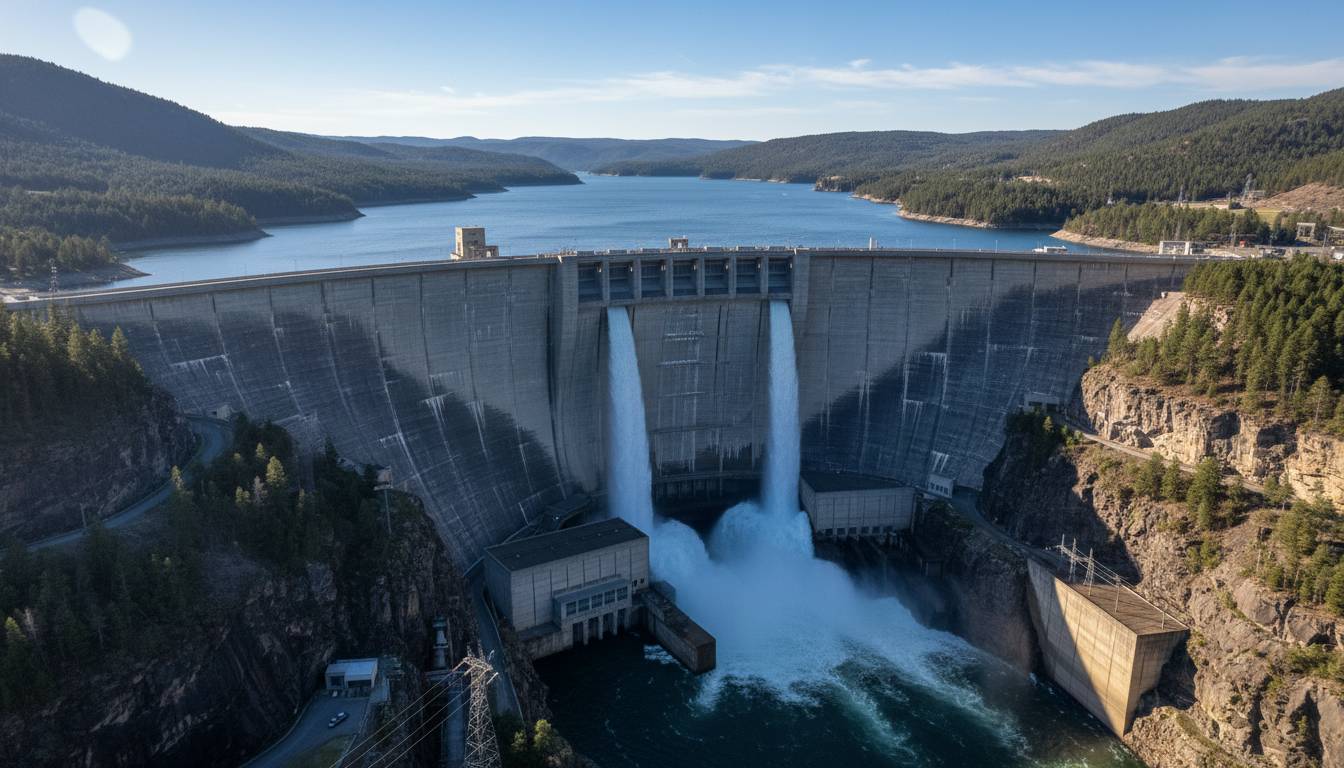
Hydropower is a method of generating electricity by using the energy of moving water to spin turbines, which then drive generators to produce electrical power. The fundamental principle behind hydropower is remarkably simple: water flows from higher elevations to lower elevations due to gravity, and this flowing water contains kinetic energy that can be captured and converted into electricity.
The basic hydropower generation process follows a straightforward sequence. First, water accumulates behind a dam or flows naturally through a turbine installation. As the water passes through the turbine blades, it causes them to spin rapidly. This mechanical rotation transfers energy to a generator, typically through a shaft connection. The generator uses electromagnetic induction—the same principle used in most power plants—to convert this mechanical energy into electrical energy. Finally, transformers increase the voltage of this electricity so it can travel efficiently through transmission lines to homes, businesses, and industries across the grid.
The United States hosts approximately 2,500 hydropower plants of various sizes, ranging from massive installations like the Hoover Dam, which can generate over 2,000 megawatts, to small-run-of-river projects that produce just a few hundred kilowatts. The Bonneville Power Administration, which manages much of the hydropower infrastructure in the Pacific Northwest, reports that the Columbia River system alone produces enough electricity to power millions of homes while preventing millions of tons of carbon emissions annually.
The Key Components of a Hydropower Plant
Every hydropower facility consists of several essential components that work together to transform water’s potential energy into usable electricity. Understanding these parts helps illustrate why hydropower remains one of the most efficient energy generation methods available today.
The Dam serves as the most recognizable feature of traditional hydropower plants. Dams create a height difference, known as “head,” between the water level behind the dam and the turbine location below. This vertical drop is crucial because it determines how much potential energy the water possesses. Generally, a greater head height means more power can be generated from the same amount of water flow.
The Intake controls how water flows from the reservoir into the penstock, which is essentially a large pipe that channels water toward the turbines. Intake gates can be opened or closed to regulate power generation based on electricity demand. Modern facilities use sophisticated computerized systems to optimize water flow in real-time.
The Penstock carries water from the intake to the turbine under pressure. In some installations, this is a concrete-lined tunnel through rock; in others, it’s a steel pipe. The penstock design must balance friction losses against construction costs while delivering adequate water volume to the turbine.
The Turbine is the heart of the hydropower plant. Different turbine designs work best for different situations. Pelton wheels work excellently for high-head, low-flow installations, while Francis turbines suit moderate heads and flows, and Kaplan or propeller turbines are ideal for low-head, high-flow conditions. The International Hydro Association notes that modern turbines can convert over 90% of the water’s kinetic energy into mechanical rotation.
The Generator connects directly to the turbine and produces electricity through electromagnetic induction. Generators in large hydropower plants can weigh hundreds of tons and produce thousands of megawatts of power. The generator requires precise cooling systems, typically using hydrogen or water, to prevent overheating during continuous operation.
The Transformer increases the voltage of electricity generated by the turbine-generator system. Power traveling through transmission lines loses less energy at higher voltages, so transformers are essential for efficient long-distance electricity delivery.
Types of Hydropower Systems
Hydropower technology has evolved beyond the traditional dam-based reservoir system. Today, several distinct approaches harness water’s energy, each with unique advantages and applications suited to different geographical and environmental conditions.
Reservoir Hydropower represents the most common form, where a dam creates a large storage reservoir. The stored water’s potential energy provides consistent power generation regardless of seasonal river flow variations. The Tennessee Valley Authority’s system demonstrates how reservoir hydropower can transform regional energy supplies, providing flood control, recreation opportunities, and reliable electricity across seven states.
Run-of-River Hydropower generates electricity without large reservoirs. Instead, these facilities redirect a portion of a river’s flow through turbines and return the water to the river downstream. While they produce less consistent power than reservoir systems, run-of-river projects typically have smaller environmental impacts and don’t require displacing communities or flooding large land areas.
Pumped Storage Hydropower functions as a massive battery for the electrical grid. During periods of low electricity demand, typically overnight, these facilities pump water from a lower reservoir to an upper reservoir. When electricity demand peaks, water flows back down through turbines to generate power. The Bath County Pumped Storage Station in Virginia holds the title of the largest such facility in the world, with a storage capacity that can power millions of homes during emergency shortages.
Tidal Hydropower represents an emerging technology that captures energy from ocean tides. Unlike rivers, tides flow predictably twice daily, providing reliable generation windows. While commercial tidal installations remain relatively rare, projects like the France’s La Rance tidal power plant have operated successfully since 1966, demonstrating the technology’s viability.
The Environmental Benefits of Hydropower
Hydropower offers significant environmental advantages that distinguish it from fossil fuel-based electricity generation, though it also presents unique environmental considerations that modern engineers work to address.
Unlike coal, natural gas, or petroleum power plants, hydropower facilities produce no direct emissions during electricity generation. The U.S. Energy Information Administration calculates that hydropower prevents approximately 200 million metric tons of carbon dioxide emissions annually compared to fossil fuel alternatives. This carbon-free operation makes hydropower crucial for states and nations pursuing climate change mitigation targets.
The renewable nature of water cycling through the hydrological system means hydropower provides consistent, sustainable energy as long as precipitation patterns remain stable. Unlike wind or solar resources, which can vary significantly hour-by-hour, traditional reservoir hydropower offers dispatchable generation—operators can increase or decrease power output within minutes by adjusting water flow through turbines.
Hydropower facilities also provide additional benefits beyond electricity generation. Reservoirs can offer flood control by storing excess water during heavy rainfall events. They create recreational opportunities for boating, fishing, and other water activities. Some facilities include fish ladders or other wildlife passage systems designed to maintain aquatic ecosystem connectivity.
However, environmental considerations remain important. Dam construction can disrupt fish migration patterns and alter downstream ecosystems. Reservoirs can flood terrestrial habitats and, in some cases, release methane from decomposing organic matter in their reservoirs. Modern project planning attempts to balance these factors through comprehensive environmental impact assessments and mitigation measures.
The History and Evolution of Hydropower
Humanity has used water’s mechanical energy for thousands of years, though the technology to convert that energy into electricity emerged only in the late nineteenth century.
Ancient civilizations employed water wheels to grind grain, crush ore, and power various manufacturing processes. These mechanical devices demonstrated that flowing water contained useful energy long before scientists understood the underlying physics. The Industrial Revolution saw widespread adoption of water-powered mills, particularly in New England and other regions with abundant river resources.
The first hydroelectric power plant began operating in Appleton, Wisconsin, in 1882, generating approximately 12.5 kilowatts—enough to power a few dozen light bulbs. This pioneering installation demonstrated that water power could illuminate homes and businesses just as effectively as it had powered factories.
The early twentieth century saw rapid expansion of hydropower development. The Hoover Dam, completed in 1936, represented an engineering marvel that demonstrated the potential for large-scale reservoir hydropower. Its 726-foot height made it the world’s tallest dam at the time, and its construction required innovative techniques that influenced engineering practice for decades.
The post-World War II period brought increasing competition from fossil fuel power plants, which could be built more quickly and at lower initial costs than dams. Environmental concerns during the 1960s and 1970s further slowed new hydropower development. However, recent climate change awareness and renewable energy mandates have renewed interest in hydropower’s potential, particularly for providing grid stability and energy storage capabilities.
Challenges and Future of Hydropower
Despite its advantages, hydropower faces several challenges that shape its future development and role in the American energy landscape.
Climate variability affects water availability in many regions. Extended droughts can reduce reservoir levels and power generation capacity, while changing precipitation patterns complicate long-term planning. The Colorado River system, which supplies major hydropower facilities including Hoover Dam, has experienced declining water levels that threaten future generation capacity.
Aging infrastructure presents both challenges and opportunities. Many American dams are approaching or exceeding their original design lifespans. The American Society of Civil Engineers estimates that thousands of dams will require significant rehabilitation in coming decades. These upgrades offer chances to improve efficiency, extend facilities’ operational lives, and enhance environmental performance.
Regulatory complexity can slow new development. Obtaining permits for new hydropower projects involves navigating federal, state, and local requirements that address water rights, environmental protection, fish and wildlife habitat, and recreational access. Streamlining these processes while maintaining appropriate environmental safeguards remains an ongoing policy discussion.
The future likely brings continued growth in hydropower’s role within renewable energy portfolios. Grid operators increasingly value hydropower’s ability to balance intermittent wind and solar generation. Pumped storage facilities may become more valuable as battery alternatives for large-scale energy storage. New technologies, including advanced turbine designs that reduce environmental impacts, promise to make hydropower more fish-friendly and efficient.
Frequently Asked Questions
How efficient is hydropower compared to other energy sources?
Hydropower is among the most efficient energy conversion technologies available. Modern turbines can convert 90-95% of water’s kinetic energy into mechanical rotation, and generators typically achieve 95-98% efficiency in converting mechanical energy to electricity. Overall plant efficiencies commonly exceed 85-90%, significantly outperforming thermal power plants which typically operate at 33-45% efficiency.
How long does it take to build a hydropower plant?
Traditional hydropower projects with large dams typically require 5-10 years or longer for planning, permitting, and construction. The timeline includes environmental impact studies, engineering design, land acquisition, and actual construction. Smaller run-of-river projects can be completed more quickly, sometimes within 2-4 years, depending on site conditions and regulatory requirements.
Can hydropower work without a dam?
Yes, several hydropower installations operate without dams. Run-of-river projects divert a portion of a river’s flow through turbines without creating significant reservoirs. These systems generate power based on natural river flows and typically have minimal environmental impacts compared to dam-based facilities. Some locations also use diversions or small-scale installations that take advantage of natural elevation changes.
How much does hydropower cost to generate electricity?
Hydropower typically has among the lowest operating costs of any electricity generation method. Once constructed, fuel costs are essentially zero since water flows freely. The U.S. Energy Information Administration reports that hydropower’s levelized cost of electricity often falls below other renewable and fossil fuel options, though initial capital costs can be substantial. Operating and maintenance costs vary based on facility size, age, and location.
Does hydropower affect fish populations?
Traditional dam operations can impact fish populations by blocking migration routes, altering water temperatures, and changing downstream flows. Modern facilities address these concerns through fish ladders, fish-friendly turbine designs, and environmental flow requirements. Many hydroelectric operators work closely with fisheries biologists to monitor and mitigate impacts, and some facilities have significantly improved fish passage success rates through ongoing adaptive management.
Is hydropower considered renewable energy?
Yes, hydropower is classified as a renewable energy source because water naturally cycles through the environment via precipitation and evaporation. Unlike fossil fuels, which require millions of years to form, water resources are continuously replenished through the natural hydrological cycle. This renewable character, combined with its low emissions profile, makes hydropower a key component of sustainable energy strategies.