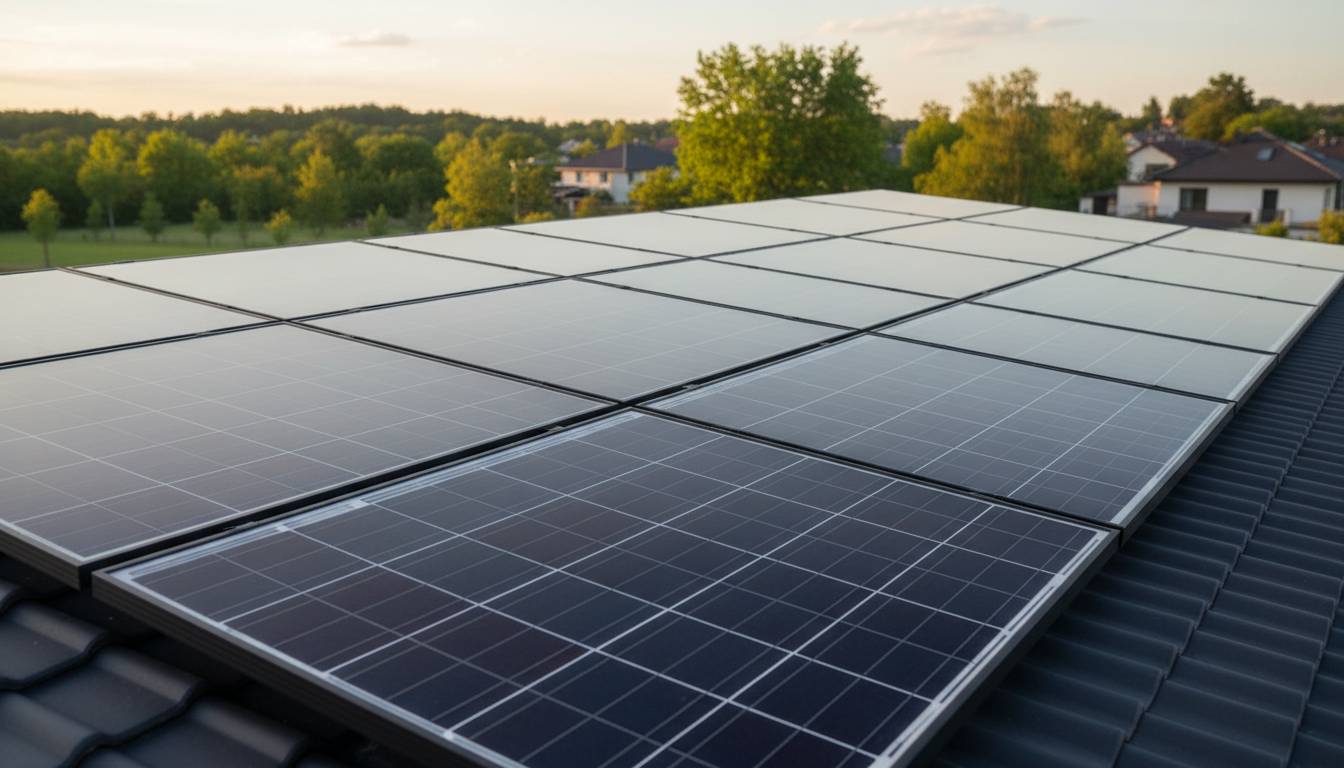
Solar panels represent a significant investment in renewable energy, yet many homeowners fail to realize their full potential due to inadequate maintenance. Research from the National Renewable Energy Laboratory indicates that dirty solar panels can lose between 10% and 25% of their energy output, transforming a supposedly low-maintenance energy solution into an underperforming asset. Understanding how to properly maintain your solar panel system ensures you maximize the return on your investment while contributing effectively to sustainable energy production.
This comprehensive guide provides practical maintenance strategies that residential and commercial solar panel owners can implement immediately. Whether you installed your system last year or have been generating solar power for a decade, these maintenance tips will help preserve efficiency, extend system lifespan, and protect your financial investment.
Why Solar Panel Maintenance Directly Impacts Energy Output
The relationship between panel cleanliness and energy production is more significant than most solar owners realize. When dust, pollen, bird droppings, leaves, and other debris accumulate on panel surfaces, they create physical barriers that block sunlight from reaching the photovoltaic cells. Even thin layers of dust can reduce energy production by 5% to 15%, while heavy contamination in dusty climates or after seasonal changes can cause losses exceeding 25%.
Beyond visible soiling, several hidden factors affect panel performance. Micro-cracks developing from thermal cycling degrade cell efficiency gradually. Corrosion at connection points increases resistance and reduces power transfer. Inverter efficiency naturally declines over time, typically losing 0.5% to 1% annually. Without regular maintenance, these issues compound, leaving homeowners unaware that their systems operate far below manufacturer specifications.
Financial implications extend beyond reduced energy production. Most solar panel warranties require proper maintenance documentation, and failure to maintain systems can void coverage. Additionally, inefficient panels extend the time required to achieve payback on the initial investment, diminishing the economic argument for solar adoption.
Essential Cleaning Techniques for Residential Solar Panels
Determining Optimal Cleaning Frequency
Cleaning frequency depends heavily on geographic location, surrounding environment, and seasonal conditions. Homeowners in arid regions with minimal rainfall may need to clean panels every two to four weeks during dry seasons. Those in temperate climates with regular rainfall might only require cleaning two to four times annually. Properties near construction sites, industrial areas, or heavy traffic corridors need more frequent cleaning due to increased particulate accumulation.
Spring and fall typically demand increased attention in most regions. Spring brings pollen explosions that coat panels with a sticky film difficult to remove once dried. Autumn deposits falling leaves and organic matter that can create hot spots if not promptly addressed. Winter presents unique challenges in snowy regions, though accumulated snow typically slides off tilted panels and light frost dissipates with morning sun.
Step-by-Step Cleaning Process
Safety preparation represents the first critical step. Never attempt to clean panels while standing on the roof without proper safety equipment. For ground-mounted systems or easily accessible roof configurations, ensure ladders are stable and someone knows your location. Always turn off solar systems before cleaning to eliminate electrical shock risks, though modern systems automatically shut down when grid power is interrupted.
Begin cleaning by removing loose debris with a soft brush or leaf blower. Avoid using metal tools or abrasive materials that can scratch the anti-reflective coating protecting panel surfaces. For stubborn soiling, apply deionized water or a specialized solar panel cleaning solution—ordinary household cleaners can leave residues that attract more dirt or damage protective coatings.
| Cleaning Method | Cost | Best For | Effectiveness |
|---|---|---|---|
| Deionized water + soft brush | $15-30 | Light dust, regular maintenance | 85-90% |
| Solar cleaning solution | $20-40 | Moderate soiling, sticky residue | 90-95% |
| Pressurized water spray | $50-100 rental | Heavy debris, grime buildup | 95-98% |
| Professional service | $150-400 | Comprehensive cleaning, safety concerns | 95-99% |
Rinse panels thoroughly using low-pressure water, working from top to bottom to prevent streaking. Allow panels to air dry or use a squeegee with a rubber blade for spotless results. Avoid cleaning panels during peak sunlight hours when rapid drying creates water spots.
Professional Inspection and Monitoring Checklist
Visual Inspection Requirements
Regular visual inspections catch problems before they escalate into expensive repairs. Examine panels for visible damage including cracks, chips, or dark spots indicating cell degradation. Check mounting hardware for rust, corrosion, or loosening caused by wind and thermal stress. Inspect all cable connections for signs of wear, corrosion, or animal damage—rodents frequently nest in outdoor electrical equipment.
Documentation proves invaluable for warranty claims and system history. Photograph any anomalies with timestamps, noting their precise locations within the array. Maintain records of all maintenance activities, including dates, actions taken, and any observations about system performance.
Performance Monitoring Analysis
Modern solar systems include monitoring applications tracking energy production in real-time. Establish baseline expectations by recording daily and monthly output during the first year of operation, adjusting for seasonal variations in sunlight. A sudden drop of more than 10% in energy production, absent weather explanations, signals potential problems requiring investigation.
Review inverter displays regularly for error codes or warning indicators. Inverters typically show current power production, cumulative energy generated, and system status messages. Error codes often indicate specific problems—from simple connectivity issues to serious inverter failures requiring professional attention.
Seasonal Maintenance Guide for Year-Round Performance
Spring Preparation
Spring cleaning extends beyond your home’s interior to your solar investment. Schedule professional inspections after winter weather subsides to identify any damage from snow load, ice, or wind. Clean panels thoroughly to remove winter grime, pollen, and bird droppings accumulated during colder months. Check that mounting hardware survived thermal cycling without loosening.
Verify that shading from newly leafed trees hasn’t developed—solar path analysis should account for seasonal vegetation changes. Trim branches threatening to fall on panels during summer storms. Ensure monitoring systems function correctly after potential winter disruptions to internet connections or power supplies.
Summer Maintenance
Heat affects solar panel efficiency more than most homeowners realize. While panels generate more energy during long summer days, temperatures above 77°F (25°C) cause efficiency losses of approximately 0.4% to 0.5% per degree above optimal operating temperature. This inherent characteristic means summer maintenance focuses on heat management rather than increased cleaning.
Inspect ventilation around panels and inverters—adequate airflow reduces operating temperatures. Clear vegetation growing near ground-mounted systems. Monitor for pest infestations, as summer brings increased animal activity around outdoor equipment. Check inverter cooling fans for proper operation, replacing filters or fans showing wear.
Fall and Winter Considerations
Fall maintenance prepares systems for challenging winter conditions. Clean panels thoroughly before leaves fall to minimize organic accumulation. Trim trees again to prevent branch damage from winter storms and reduce shading from bare winter branches—a counterintuitive benefit of deciduous trees.
Snow management requires careful consideration. While panels generally don’t require cleaning during consistent snow coverage—albedo effect can actually increase reflected light reaching panels—remove snow accumulation after storms if panels remain covered for extended periods. Use soft brushes designed for solar panels rather than metal shovels that scratch surfaces. Inverter protection becomes critical in cold climates, ensuring equipment housing prevents moisture intrusion and maintains operational temperatures.
Common Mistakes That Damage Solar Panels
Avoiding Costly Errors
Using pressure washers represents one of the most damaging mistakes homeowners make. High-pressure water streams can force water past sealants, damage electrical connections, and crack fragile cells. The concentrated pressure also strips anti-reflective coatings, permanently reducing panel efficiency. If using pressurized water, maintain significant distance and use wide-spray nozzles.
Walking on panels causes micro-cracks invisible to the naked eye but devastating to long-term performance. Even slight weight on panel surfaces creates stress fractures that expand with thermal cycling. Professional installers use specialized equipment distributing weight across frames—never attempt to access panels by stepping on surfaces.
Improper cleaning solutions create more problems than they solve. Vinegar, dish soap, and standard window cleaners leave residues attracting dirt, streak surfaces, and can corrode metal components. Always use products specifically formulated for solar panels or simple deionized water.
Understanding What Not to Do
Neglecting inverter maintenance assumes the misconception that solar panels require all the attention. Inverters typically last 10-15 years, shorter than panel lifespans, and require inspection, cleaning, and eventual replacement. Keep inverter areas clear of debris, ensure adequate ventilation, and monitor for unusual sounds or odors.
Ignoring manufacturer guidelines voids warranties and can cause dangerous installations. Each system comes with specific maintenance requirements, cleaning recommendations, and operational parameters. Read documentation thoroughly and follow prescribed maintenance schedules.
Waiting for problems to appear rather than implementing preventive maintenance leads to expensive repairs and extended production losses. Establishing regular maintenance routines costs far less than emergency service calls or premature system replacement.
Tools and Products for Effective Solar Panel Maintenance
Recommended Equipment
Invest in quality tools designed specifically for solar panel care. Soft-bristled brushes with extendable handles reach roof-mounted panels safely from ground level. Solar-specific cleaning solutions remove stubborn residue without damaging protective coatings. Microfiber cloths prevent scratching during final drying and polishing.
For monitoring, consider additional sensors measuring panel-level performance. While most systems include string-level monitoring, individual panel sensors identify problems affecting specific modules—information valuable for troubleshooting and warranty claims.
Professional Services Versus DIY
| Factor | DIY Maintenance | Professional Service |
|---|---|---|
| Cost per visit | $20-50 (supplies) | $150-400 |
| Safety | Personal risk | Trained technicians |
| Thoroughness | Basic cleaning | Comprehensive inspection |
| Equipment | Limited | Specialized tools |
| Frequency | Bi-weekly to monthly | Quarterly to semi-annually |
Professional services prove valuable for comprehensive annual inspections, safety-related tasks, and systems in challenging locations. Technicians identify issues homeowners miss, including subtle performance variations, degrading connections, and developing faults. For most homeowners, a combination approach works best—regular DIY cleaning combined with annual professional inspections.
Frequently Asked Questions
How often should I clean my solar panels?
Cleaning frequency depends on your local environment. In dusty or arid climates, clean panels every two to four weeks during dry seasons. In areas with regular rainfall, cleaning two to four times yearly may suffice. Monitor your system’s energy output—if production drops unexpectedly, cleaning is likely needed.
Can I use a pressure washer on solar panels?
Using a pressure washer is not recommended and can cause significant damage. High-pressure water can crack cells, force moisture into electrical connections, and strip protective coatings. If you must use water pressure, keep it below 1,500 PSI and maintain significant distance from the panel surface.
Does rain clean solar panels effectively?
Light rain can rinse away light dust but often leaves residue behind. Heavier rain may clean panels more thoroughly, but standing water can evaporate leaving mineral deposits. Rain alone is generally insufficient for maintaining optimal efficiency, particularly in areas with dust, pollen, or bird droppings.
Will cleaning my solar panels void the warranty?
Proper cleaning will not void your warranty—failure to maintain your system can void warranty coverage. Follow manufacturer guidelines for cleaning methods and products. Document all maintenance activities, keeping records that demonstrate proper care if warranty claims become necessary.
What is the best time of day to clean solar panels?
Clean solar panels early in the morning or late in the afternoon when surfaces are cool. Cleaning hot panels causes rapid water evaporation leaving streaks and mineral deposits. Morning cleaning allows panels to dry completely before peak sunlight hours.
How do I know if my solar panels need professional attention?
Signs indicating professional service is needed include visible physical damage, error codes on inverters, energy production drops exceeding 10% without weather explanations, unusual sounds from inverters, or safety concerns about accessing panels. Annual professional inspections are recommended even without obvious problems.
Conclusion
Maintaining your solar panel system requires consistent attention but demands minimal time investment compared to the returns in energy production and system longevity. By implementing regular cleaning schedules, conducting visual inspections, monitoring performance data, and addressing problems promptly, you ensure your solar investment delivers maximum value throughout its operational lifespan.
The 10% to 25% efficiency loss from neglected maintenance represents substantial financial impact over 25-30 year panel lifespans. A 5-kilowatt residential system producing 7,000 kWh annually losing just 15% efficiency means over 1,000 kWh of lost production yearly—at national average electricity rates exceeding $0.16 per kWh, that’s over $160 annually, thousands of dollars over the system’s lifetime.
Start with a maintenance schedule appropriate for your location and environment. Invest in proper cleaning tools, document all activities, and schedule professional inspections annually. Your solar panels will reward your attention with consistent, maximum energy output for decades to come.