
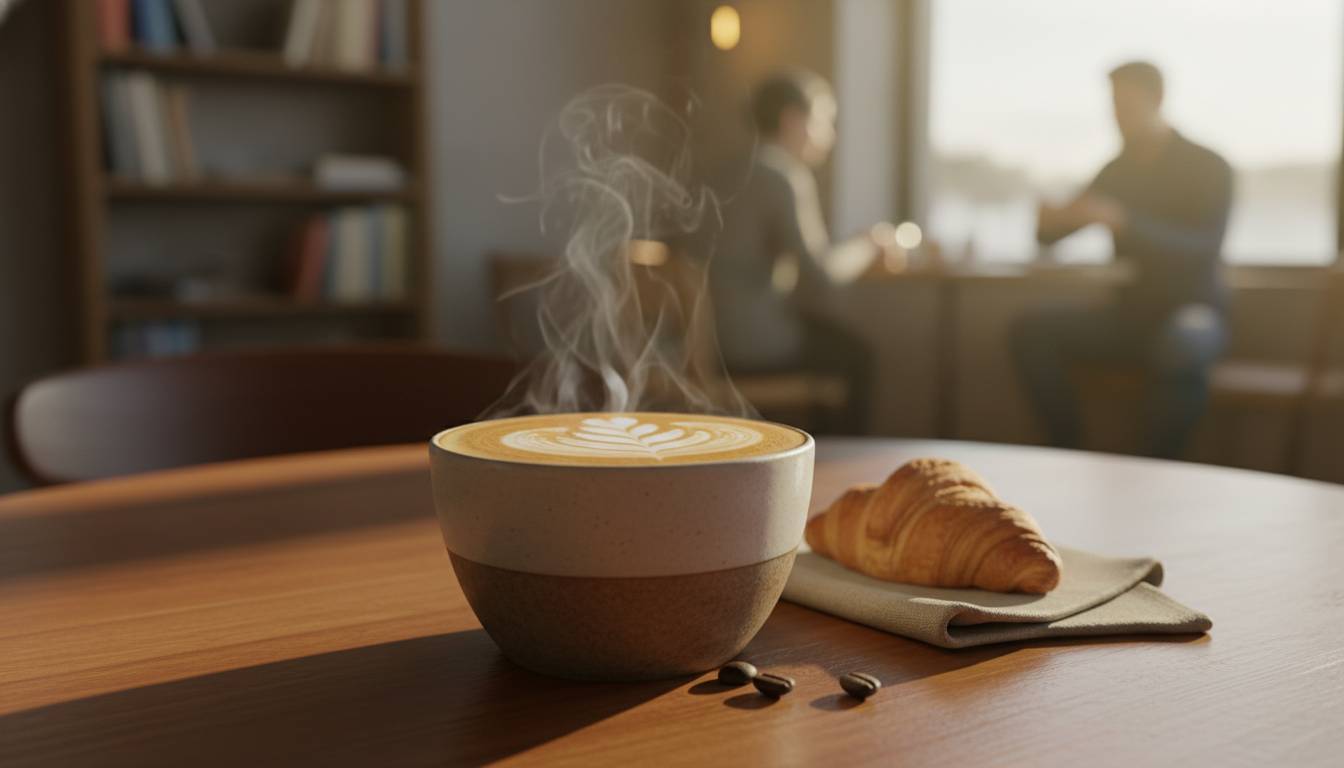
A cafe in Dongyang, Zhejiang, drew global attention in March 2026 after local media reports said its Americano made with “virgin boy eggs” — eggs boiled in the urine of young boys — was selling more than 100 cups a day on weekends at 28 yuan per cup. Within days, the drink was reportedly withdrawn after the backlash spread online, turning a niche local tradition into an international food-safety and culture story.
What made the story travel so fast was not only the ingredient list, but the collision of three trends at once: China’s highly competitive cafe market, the social-media race for novelty drinks, and the revival of hyper-local food traditions as marketing hooks. In Dongyang, the eggs involved are known as tong zi dan, often translated as “virgin boy eggs,” a springtime specialty long associated with the city in Zhejiang province. Publicly available reporting and reference material describe the eggs as a traditional local delicacy prepared by simmering them in urine collected from boys, usually under age 10.
🔴
The key trigger was scale, not just shock value.
Reports tied to the March 19, 2026 coverage said the cafe was moving more than 100 cups a day on weekends at 28 yuan each before the drink was pulled, turning a local curiosity into a national and then global story.
Reported Facts Behind the Viral Drink
| Metric | Reported figure | Context |
|---|---|---|
| Drink type | Americano with urine-boiled egg | Linked to Dongyang’s tong zi dan tradition |
| Weekend sales | More than 100 cups a day | Figure cited in March 2026 coverage |
| Price | 28 yuan per cup | Roughly a mass-market novelty-drink price point in China |
| Location | Dongyang, Zhejiang | City associated with the egg tradition |
Source: March 19, 2026 reporting summarized in public reference material; historical context from Atlas Obscura and other background sources.
Why 28 Yuan and 100 Cups Turned a Local Specialty Into News
The numbers matter because they show this was not an isolated kitchen experiment. At more than 100 cups a day on weekends, the beverage had crossed from stunt menu item into a meaningful traffic driver for a small cafe, at least temporarily. At 28 yuan, the drink was priced accessibly enough to encourage curiosity purchases, especially in a market where unusual coffee combinations have become a proven way to generate footfall and social posts.
China’s coffee sector has expanded quickly, and brands increasingly localize menus with ingredients that would once have seemed too niche or too strange for mainstream chains. Industry reporting shows KCOFFEE, Yum China’s coffee brand, had opened its 200th store by July 2024, while broader coverage of China’s beverage market has highlighted the speed at which chains launch localized seasonal drinks. That context helps explain why a Dongyang cafe might try to package a centuries-old local food into a coffee format designed for virality.
In other words, the cafe was not operating in a vacuum. It was responding to a market where novelty often functions as advertising. The difference here is that the ingredient crossed a line for many consumers outside Dongyang, and for many inside it as well.
Timeline of the Story
Centuries before 2026: Dongyang becomes associated with tong zi dan, eggs simmered in boys’ urine as a seasonal local delicacy.
March 19, 2026: Public reporting says a Dongyang cafe is selling an Americano containing the eggs for 28 yuan and moving more than 100 cups a day on weekends.
By March 20, 2026: Online discussion intensifies and follow-on reports indicate the cafe has withdrawn the drink after backlash.
How Dongyang’s Spring Egg Tradition Became a Coffee Add-In
Tong zi dan is not new. Background sources describe it as a longstanding spring food in Dongyang, where vendors and households have historically prepared eggs by simmering them in urine collected from young boys. The dish has been framed locally as restorative or seasonal, though modern medical literature and mainstream health reporting do not establish evidence-based benefits from consuming urine or urine-boiled eggs.
That gap between folk belief and modern food expectations is central to the backlash. The cafe reportedly marketed the drink with claims that it could help prevent spring sleepiness and summer heat stroke. Those are the kinds of wellness-adjacent claims that can boost curiosity in a crowded beverage market, but they also invite scrutiny because they imply functional benefits that are not supported by established clinical evidence in the sources reviewed.
⚠️
No verified health benefit appears in the public record reviewed.
Historical and reference sources describe local beliefs around the eggs, but they also note the lack of scientific evidence for special medical value.
The mechanism of virality was straightforward: a familiar format, coffee, carried an unfamiliar and highly controversial local ingredient. That made the drink easier to photograph, easier to explain in a headline, and easier to debate online than the traditional eggs alone.
March 2026 Backlash: Why the Drink Was Pulled So Fast
The available public material indicates the drink was withdrawn after criticism spread. Even without a detailed official statement in the sources reviewed, the likely pressure points are visible. First, the ingredient itself triggered disgust and food-safety concerns among many readers. Second, the use of a child-linked bodily fluid in a commercial beverage created an immediate reputational risk. Third, the cafe’s health-style marketing claims likely intensified scrutiny rather than softening it.
There is also a broader reputational backdrop. China’s restaurant and beverage sector has repeatedly faced viral controversies tied to sanitation and bodily-fluid incidents, making audiences especially sensitive to anything that appears to blur the line between tradition and hygiene. That does not make the Dongyang drink equivalent to those incidents, but it helps explain why the reaction was so swift and so negative once the story escaped local context.
Tradition vs. Modern Cafe Marketing
| Factor | Traditional context | Cafe context in 2026 |
|---|---|---|
| Product | Seasonal local egg dish | Americano with egg add-in |
| Audience | Mainly local consumers | Social-media-driven curiosity buyers |
| Claim | Folk restorative belief | Functional beverage-style messaging |
| Risk | Cultural controversy | Global backlash and brand damage |
Source: Historical background and March 2026 reporting.
What the 2026 Episode Says About China’s Novelty-Coffee Race
The Dongyang case fits a wider pattern: cafes in China have experimented with increasingly unusual ingredients to stand out in a saturated market. Coverage in recent years has documented drinks involving century egg, oysters, octopus, vinegar and other regionally resonant flavors. The commercial logic is simple — if a drink is strange enough to be shared, it can function as free marketing.
But the urine-boiled egg coffee also shows the limit of that strategy. Novelty works when consumers perceive the ingredient as adventurous but still acceptable. Once a product is framed as unsanitary, exploitative or medically dubious, virality can reverse from promotion into reputational damage. That appears to be what happened here: the same shock factor that drove attention also made the drink difficult to defend once the story reached a broader audience.
Frequently Asked Questions
Frequently Asked Questions
What exactly was in the viral coffee?
Public March 2026 reporting described it as an Americano containing “virgin boy eggs,” a Dongyang specialty made by boiling eggs in the urine of young boys. The reported menu price was 28 yuan per cup.
Did the cafe really sell more than 100 cups a day?
Yes, that figure appears in public reporting summarized in sources available as of March 21, 2026. The reports said sales exceeded 100 cups a day on weekends before the drink was withdrawn.
Why did the cafe stop selling it?
The available public record indicates the drink was pulled after backlash spread online. The sources reviewed do not provide a detailed official explanation, but the controversy centered on hygiene concerns, the child-urine ingredient, and skepticism toward the drink’s claimed restorative effects.
Is this a real traditional food in China?
Yes. Tong zi dan has long been associated with Dongyang in Zhejiang province and is documented in travel, cultural and reference sources as a local spring delicacy. That said, it is regional and controversial, not a mainstream food across China.
Are there proven health benefits to urine-boiled eggs?
The sources reviewed do not show credible scientific evidence for special health benefits. Historical accounts describe folk beliefs, but modern medical commentary cited in public sources says such claims are unproven.
Conclusion
The Dongyang coffee story was never just about one shocking ingredient. It was about what happens when a deeply local tradition is repackaged for the algorithmic attention economy. The reported numbers — 28 yuan a cup and more than 100 cups a day on weekends — show why the cafe tried it. The speed of the withdrawal shows why it could not last. In a crowded coffee market, novelty can buy visibility, but it cannot guarantee acceptance once a product is judged outside its original cultural setting.
Disclaimer: This article is for informational purposes only. Information may have changed since publication. Always verify information independently and consult qualified professionals for specific advice.