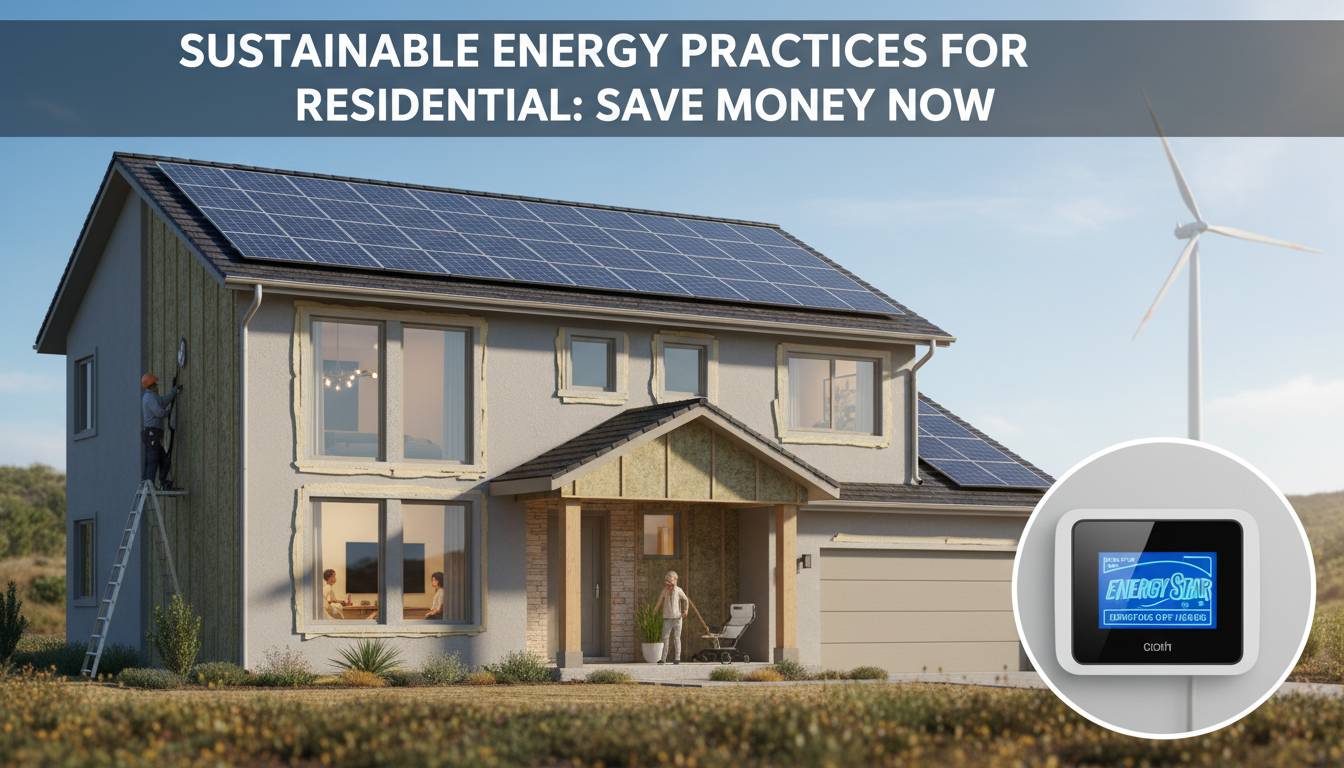
The average American household spends over $2,000 annually on utility bills, with heating and cooling accounting for nearly half of that cost. Yet research from the U.S. Department of Energy suggests that homeowners can reduce these expenses by 25% to 30% through proven energy efficiency measures—without sacrificing comfort. This guide provides a comprehensive roadmap to identifying waste, implementing proven solutions, and accessing financial incentives that make sustainable living economically rational for virtually any homeowner.
The True Cost of Energy Waste in American Homes
Residential buildings consume approximately 37% of all energy used in the United States, making households the single largest segment of national energy demand. The Environmental Protection Agency estimates that air leakage through windows, doors, and structural gaps wastes the equivalent of 10% to 20% of most homeowners’ heating and cooling energy—money literally flying through cracks in the building envelope.
The most significant energy drains in typical homes include:
- Heating systems: 42% of residential energy consumption
- Cooling systems: 6% of residential energy consumption
- Water heating: 18% of residential energy consumption
- Lighting: 12% of residential energy consumption
- Appliances and electronics: 22% of residential energy consumption
These percentages vary by climate zone, but the pattern remains consistent: temperature control and water heating dominate household energy use. Understanding where your energy goes is the first step toward meaningful reduction.
No-Cost Behavior Changes That Deliver Immediate Savings
Before spending a single dollar on equipment upgrades, homeowners can achieve measurable savings through simple behavioral adjustments. The Lawrence Berkeley National Laboratory found that thermostat adjustments of just 2°F can reduce heating bills by approximately 10% during heating season.
Thermostat Optimization
Programming your thermostat to align with your daily schedule remains the single most impactful behavior change available. The U.S. Department of Energy recommends setting temperatures to 68°F (20°C) during waking hours in winter and lowering them by 7° to 10°F when asleep or away. Smart thermostats automate this process and can learn your preferences, with users reporting average savings of 10% to 12% on heating and cooling costs.
Phantom Load Elimination
Standby power—energy consumed by electronics and appliances when turned off but still plugged in—accounts for 5% to 10% of residential electricity use. The National Academy of Engineering estimates that phantom load costs homeowners $100 to $200 annually. Unplugging chargers, using power strips with switches, and enabling sleep modes on computers delivers savings without any investment beyond a few minutes of attention.
Water Heating Habits
Reducing hot water use directly impacts energy consumption. The Department of Energy recommends taking showers instead of baths (showers typically use less hot water), installing low-flow showerheads (saving $150 or more per year in water heating costs), and washing clothes in cold water when possible (hot water heating accounts for 90% of the energy used by washing machines).
Lighting: The Highest-Return Upgrade
Lighting offers the fastest payback of any energy efficiency investment. LED bulbs use up to 75% less energy than incandescent bulbs and last 25 times longer, according to ENERGY STAR data.
The Math on LED Savings
Replacing five frequently used incandescent bulbs with LED equivalents saves approximately $75 per year in electricity costs. Over a single bulb’s 25,000-hour lifespan, that represents roughly $1,500 in savings per bulb. The U.S. Department of Energy calculates that widespread LED adoption could save the country $30 billion annually in energy costs.
For maximum impact, focus on:
- Frequently used fixtures: Living room lamps, kitchen recessed lighting
- High-wattage bulbs: 60W and 100W replacements deliver the greatest savings
- Outdoor lighting: Motion sensors and dusk-to-dawn photocells eliminate wasted energy
Smart lighting systems add convenience and additional savings by automatically turning off lights in unoccupied rooms and adjusting brightness based on natural daylight levels.
HVAC Efficiency: Targeting the Biggest Energy Consumer
Heating and cooling systems represent the largest opportunity for energy reduction in most homes. Several strategies exist, ranging from no-cost maintenance to major equipment investments.
Maintenance That Matters
Regular HVAC maintenance delivers consistent savings. The U.S. Department of Energy estimates that replacing a dirty air filter can reduce energy consumption by 5% to 15%. Annual professional servicing typically costs $100 to $300 and can improve system efficiency by 10% to 20%.
Recommended maintenance schedule:
| Task | Frequency | Potential Savings |
|---|---|---|
| Replace air filter | Every 1-3 months | 5-15% on energy costs |
| Professional tune-up | Annual | 10-20% efficiency improvement |
| Clean ducts | Every 3-5 years | 10-25% efficiency gain |
| Seal ductwork | When visible leaks | 10-30% waste reduction |
Sealing the Building Envelope
Air leakage through walls, windows, doors, and foundations dramatically increases heating and cooling demands. The Department of Energy reports that sealing air leaks can save homeowners 10% to 20% on energy bills—often the highest-return investment in energy efficiency.
Weatherstripping around doors and windows costs $3 to $10 per linear foot and pays for itself within one heating season. Caulking gaps and cracks costs $3 to $6 per tube and provides similar rapid payback.
Attic insulation represents a particularly high-impact upgrade. The International Energy Conservation Code recommends attic insulation of R-38 to R-49 in most U.S. climate zones, yet many homes built before 1980 contain significantly less. Adding insulation to inadequate attics typically costs $1,500 to $3,000 and saves $200 to $500 annually, yielding payback periods of three to seven years.
Windows: Understanding When to Upgrade
Windows significantly impact energy loss, but replacement costs are substantial. Understanding when window upgrades make economic sense prevents unnecessary spending.
When Replacement Makes Sense
Window replacement delivers meaningful savings in specific situations:
- Single-pane windows: Replacing with double or triple-pane units reduces energy loss by 50% or more
- Broken seals: Failed seals between glass panes create condensation and dramatically reduce insulating value
- Original windows in older homes: Windows 30+ years old rarely meet modern efficiency standards
- Major renovations: Combining window replacement with other home improvements reduces installation costs
Lower-Cost Alternatives
For homeowners not ready for full window replacement, these options provide meaningful improvement:
- Window film: Low-emissivity films cost $5 to $15 per square foot and can reduce heat gain by 30% to 40%
- Storm windows: Interior and exterior storm windows improve existing window performance by 25% to 50%
- Thermal curtains: Insulated cellular shades reduce heat transfer through windows by up to 30%
Water Heating: Addressing the Hidden Energy Hog
Water heating ranks as the second-largest energy expense in most homes, consuming more energy than lighting and appliances combined. Several strategies can reduce these costs substantially.
Temperature Settings
The default water heater temperature of 140°F (60°C) is higher than necessary for most households. Reducing temperature to 120°F (49°C) provides adequate hot water for dishwashing and bathing while reducing energy consumption by 4% to 22% annually, depending on usage patterns. This single adjustment typically saves $30 to $100 per year.
Insulation and Pipe Wrapping
Water heater insulation blankets cost $20 to $50 and reduce standby heat loss by 25% to 45%, saving $25 to $50 annually in most climates. Insulating the first six feet of hot water pipes delivers additional savings and reduces wait time for hot water at fixtures.
Upgrade Options
When water heaters reach the end of their lifespan (typically 10-15 years for storage tank units), replacement with efficient alternatives merits consideration:
| Water Heater Type | Average Cost | Annual Operating Cost | Lifespan |
|---|---|---|---|
| Storage Tank (40-gal) | $400-$1,500 | $400-$600 | 10-15 years |
| Heat Pump Water Heater | $800-$2,500 | $150-$300 | 15-20 years |
| Solar Water Heater | $2,000-$6,000 | $50-$150 | 20-30 years |
| Tankless (on-demand) | $800-$2,500 | $250-$450 | 20+ years |
Heat pump water heaters, which transfer heat from the surrounding air rather than generating it directly, use 60% to 70% less energy than conventional electric resistance units. In mild climates, these units can cut water heating costs by $300 or more annually.
Renewable Energy: Solar Options for Homeowners
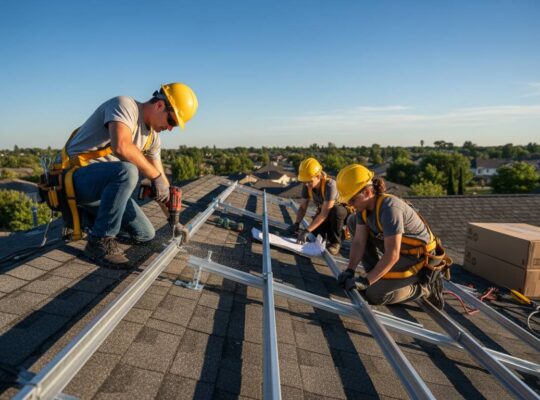
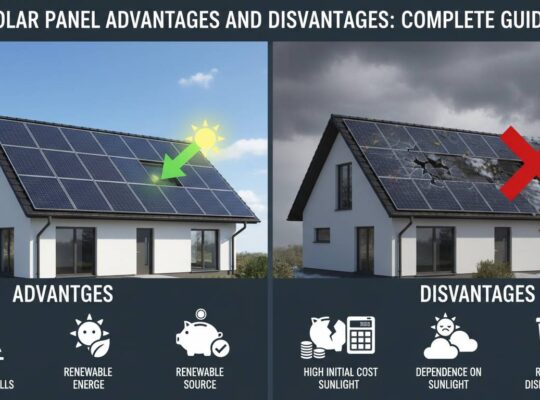
Residential solar photovoltaic systems have experienced dramatic cost reductions, falling from over $8 per watt in 2008 to under $3 per watt in 2024. The National Renewable Energy Laboratory estimates that a typical 6-kilowatt residential solar system generates electricity worth approximately $1,200 annually at average U.S. electricity rates.
Is Solar Right for Your Home?
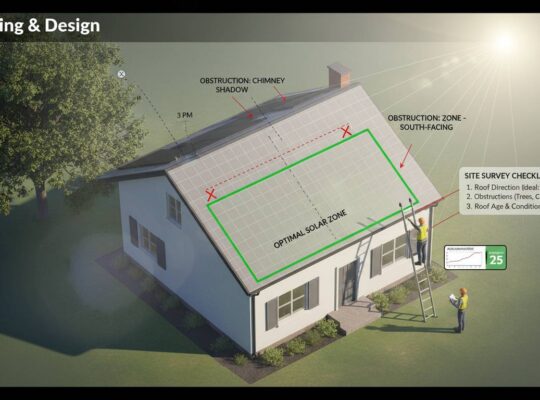
Solar makes economic sense when:
- Your electricity rates are high (above $0.14 per kWh)
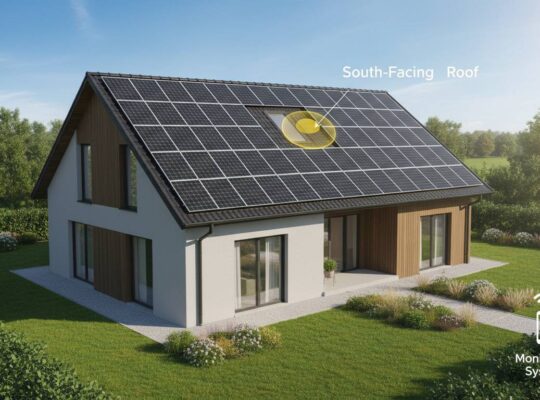
- Your roof receives minimal shading
- You plan to remain in your home for more than 7-10 years
- You have adequate roof space (approximately 100 square feet per kilowatt of system size)
The federal Investment Tax Credit (ITC) allows homeowners to deduct 30% of solar installation costs from federal taxes through 2032, stepping down to 26% in 2033 and 22% in 2034. Many states offer additional incentives, rebates, or renewable energy credits that further improve the economics.
Community Solar Alternatives
For homeowners unable to install rooftop solar—due to rental situations, inadequate roof space, or shading issues—community solar programs offer participation in shared renewable energy projects. These programs typically allow subscribers to receive bill credits for their share of the electricity generated by off-site solar facilities, providing 5% to 15% savings on electricity costs without any equipment installation.
Smart Home Technology: Automation for Efficiency
Smart home devices extend energy efficiency beyond manual adjustments, providing automation that continuously optimizes consumption without requiring constant attention.
Smart Thermostats
The primary benefit of smart thermostats lies in their ability to learn schedules, detect occupancy, and automatically adjust temperatures. Studies by Nest Labs documented average energy savings of 10% to 12% for heating and 15% for cooling among users. Leading models from ecobee, Google Nest, and Honeywell range from $120 to $250, with professional installation optional for most homeowners comfortable with basic electrical work.
Energy Monitoring Systems
Whole-home energy monitors like Sense, Emporia, and Neurio provide detailed breakdown of energy consumption by individual appliance, enabling homeowners to identify unexpected consumption and verify savings from efficiency improvements. These systems typically cost $250 to $500 and require electrical panel installation.
Smart Power Management
Intelligent power strips, such as those from TP-Link and Wemo, can automatically shut off phantom loads when devices enter standby mode. Some advanced models detect when computers or televisions are “sleeping” versus fully off, optimizing power delivery without sacrificing convenience.
Financial Incentives: Getting Paid to Save
Multiple federal, state, and utility programs provide financial assistance for energy efficiency improvements, often making efficient options more affordable than standard alternatives.
Federal Programs
The Department of Energy maintains the Database of State Incentives for Renewables and Efficiency (DSIRE), listing thousands of available programs. The federal ENERGY STAR program provides tax credits for qualifying appliances and building materials:
- Heat pump water heaters: Up to $2,000 under the Inflation Reduction Act
- Heat pumps (HVAC): Up to $2,000 under the Inflation Reduction Act
- Windows and doors: Tax credits of 10% of cost (maximums apply)
- Insulation and sealing materials: Tax credits of 10% of cost
Utility Rebates
Most electric and gas utilities offer rebates for energy-efficient upgrades. Common offerings include:
- $50 to $300 for smart thermostat installation
- $200 to $1,500 for heat pump upgrades
- $50 to $200 for insulation improvements
- $25 to $75 for LED bulb purchases
The Database of State Incentives for Renewables and Efficiency provides comprehensive, searchable listings of available programs by location.
Frequently Asked Questions
How long does it take to see savings from energy efficiency upgrades?
Most behavioral changes and low-cost upgrades (weatherstripping, LED bulbs, thermostat adjustments) produce immediate savings visible on the next utility bill. Equipment upgrades with longer payback periods typically show returns within one to three years, depending on usage patterns and local energy costs.
What is the most cost-effective energy efficiency improvement?
Weatherstripping and air sealing typically offer the fastest payback, often within one heating season. Replacing air filters regularly costs almost nothing and consistently improves HVAC efficiency. For long-term impact, attic insulation upgrades provide substantial savings over 15 to 20 years.
Do energy efficiency improvements increase home value?
Research from Lawrence Berkeley National Laboratory and Appraisal Institute studies indicates that energy-efficient features positively impact home values. Solar panels typically add value equal to their installation cost, while other efficiency improvements often return 50% to 100% of their investment in increased resale value.
How much can the average homeowner save annually?
The Department of Energy estimates that implementing comprehensive energy efficiency measures can reduce utility bills by 25% to 30%. For a household spending $2,000 annually on energy, this represents $500 to $600 in annual savings—compounded over 10 years, that’s $5,000 to $6,000 in cumulative savings.
Are there any risks to energy-efficient upgrades?
The primary risks involve poor installation quality (particularly for insulation and air sealing, which can trap moisture and cause mold if done incorrectly) and purchasing equipment without ensuring proper sizing. Working with certified contractors and verifying credentials through programs like Home Performance with ENERGY STAR helps mitigate these risks.
Should I finance energy efficiency improvements?
If available interest rates on financing are lower than your expected annual savings rate, financing can accelerate improvements while maintaining positive cash flow. Many utility programs offer 0% interest financing for efficiency upgrades, making this a particularly attractive option when available.
Conclusion: Starting Your Energy Efficiency Journey
Sustainable energy practices for residential properties deliver measurable economic returns alongside environmental benefits. The most effective approach begins with understanding your current consumption, implementing low-cost behavioral changes immediately, and gradually upgrading equipment as it reaches the end of its operational lifespan.
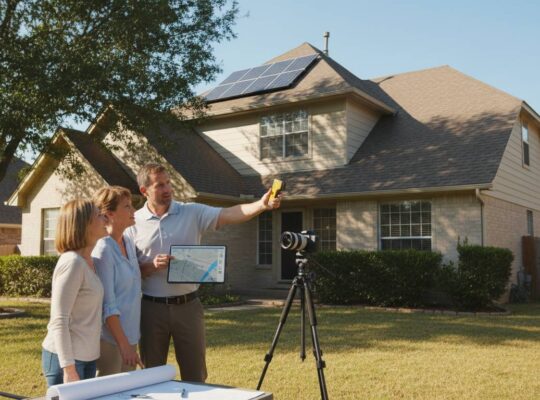
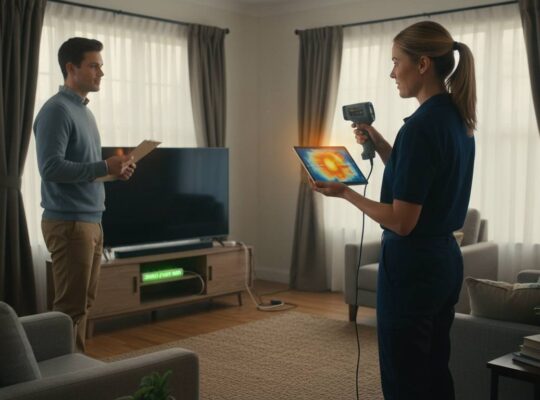
Start with a home energy audit—many utilities offer free or low-cost assessments—or simply walk through your home identifying obvious air leaks, outdated equipment, and inefficient habits. The U.S. Department of Energy’s Home Energy Saver tool provides customized recommendations based on your zip code and home characteristics.
Every dollar invested in energy efficiency returns between $1 and $4 in utility savings over the equipment’s lifetime—a return rate unmatched by most financial investments. The path to lower energy bills begins with the first step: recognizing that significant savings are achievable, practical, and available to virtually every homeowner willing to invest modest time and resources in understanding and improving their home’s energy performance.