A comprehensive home energy audit can reduce your utility bills by 10-30% annually, according to the U.S. Department of Energy. Most homeowners overlook simple inefficiencies that cost hundreds of dollars per year. This room-by-room checklist identifies the most impactful areas to inspect, prioritize, and optimize so you can start saving money immediately.
Key Takeaways
– The average U.S. household spends $2,060 annually on utility bills
– Air leaks account for 10-20% of energy loss in most homes
– Proper insulation upgrades can reduce heating/cooling costs by up to 50%
– Small behavioral changes complement physical improvements effectively
Why a Home Energy Audit Matters
Before diving into the checklist, understanding the financial impact of energy efficiency improvements helps justify the effort. The average American household spends approximately $172 per month on electricity, natural gas, and other utility costs. Over a year, this totals around $2,060—money that largely flows through windows, doors, ductwork, and inefficient appliances.
The U.S. Environmental Protection Agency’s Energy Star program estimates that homeowners who address the top energy-wasting areas in their homes can save between $200-$600 per year. These savings compound over time, especially as utility rates continue to climb. The International Energy Agency projects global electricity prices will remain elevated through 2030, making energy efficiency improvements increasingly valuable.
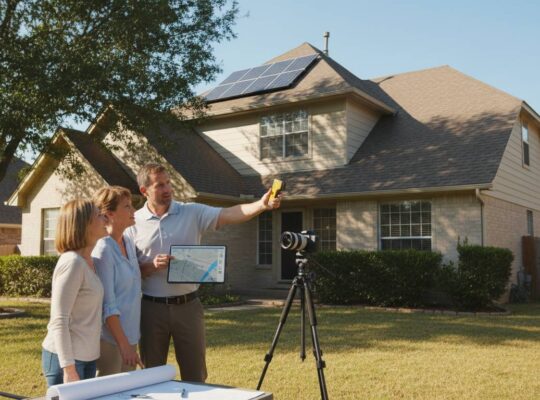
A thorough energy audit serves dual purposes: it identifies immediate cost-saving opportunities and creates a roadmap for larger investments. Whether you conduct a self-audit or hire a professional, the insights gained provide actionable intelligence for both short-term fixes and long-term renovation planning.
Exterior and Building Envelope
The building envelope—walls, roof, foundation, and all openings—represents your home’s first line of defense against energy loss. According to the Oak Ridge National Laboratory, air infiltration and exfiltration account for 10-20% of heat loss in typical American homes.
Inspect Exterior Walls
Walk the perimeter of your home and examine the exterior walls for visible gaps, cracks, or deterioration. Pay special attention to areas where different materials meet, such as where brick meets siding or where the foundation meets the wall. Look for gaps around utility penetrations like cables, pipes, and dryer vents.
Exterior Audit Checklist:
– [ ] Check for cracks or gaps in siding, brick, or stucco
– [ ] Inspect caulking around windows and doors (replace if cracked or missing)
– [ ] Look for gaps where utilities enter the home
– [ ] Examine weatherstripping on all exterior doors (replace if worn)
– [ ] Check the condition of exterior paint for protection against moisture
– [ ] Ensure proper grading away from the foundation to prevent water intrusion
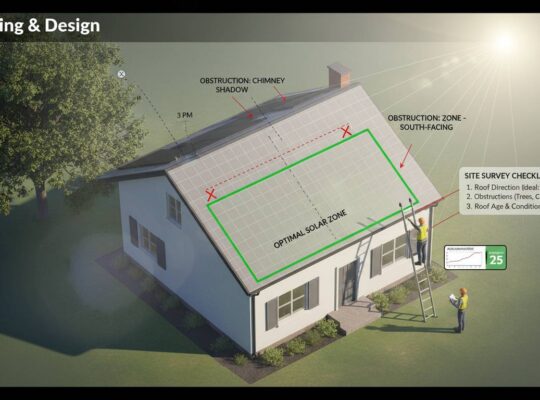
Roof and Attic Access
Your roof and attic significantly influence energy efficiency. Heat rises, making attic insulation critical for reducing winter heat loss and summer heat gain. The U.S. Department of Energy recommends different R-values depending on your climate zone, but most homes benefit from R-38 to R-60 in attics.
Roof Inspection Points:
– [ ] Check attic hatch or access point for weatherstripping
– [ ] Inspect insulation depth (12-14 inches of fiberglass or cellulose is typical)
– [ ] Look for signs of moisture or water stains indicating leaks
– [ ] Ensure attic vents are clear and functioning
– [ ] Check for gaps around recessed lights, plumbing vents, and ductwork
– [ ] Look for daylight visible through ceiling planes (indicates gaps)
Heating and Cooling Systems
HVAC systems typically consume 40-50% of your home’s total energy budget, making them the highest-impact area for efficiency improvements. Regular maintenance and timely upgrades yield substantial savings.
Thermostat Assessment
Your thermostat controls when and how your HVAC system operates. An outdated or poorly placed thermostat can waste significant energy.
Thermostat Checklist:
– [ ] Verify thermostat is set to optimal temperatures (68°F heating, 78°F cooling when home)
– [ ] Check that thermostat is away from heat sources, drafts, or direct sunlight
– [ ] Consider upgrading to a programmable or smart thermostat (saves 10-15% annually)
– [ ] Ensure HVAC system runs efficiently with proper filter changes every 1-3 months
HVAC System Maintenance
The American Society of Heating, Refrigerating and Air-Conditioning Engineers (ASHRAE) reports that regular HVAC maintenance can improve system efficiency by 15-25%.
HVAC Maintenance Checklist:
– [ ] Replace or clean air filters monthly during heavy use seasons
– [ ] Inspect ductwork for visible leaks, disconnected sections, or damage
– [ ] Clean supply and return vents throughout the home
– [ ] Check outdoor condenser unit for debris and clear vegetation within 2 feet
– [ ] Schedule professional HVAC tune-up annually (spring for cooling, fall for heating)
– [ ] Verify refrigerant levels match manufacturer specifications
– [ ] Inspect insulation on ductwork in unconditioned spaces
Windows and Doors
Windows and doors represent significant thermal bridges—areas where heat transfers easily between inside and outside. The U.S. Energy Information Administration notes that windows account for 10-25% of residential heating and cooling energy use.
Window Evaluation
Assess each window in your home for efficiency issues. Even single-pane windows in older homes can lose twice as much heat as modern double or triple-pane alternatives.
Window Audit Checklist:
– [ ] Check for drafts by holding a lit candle near window edges (watch for flame flicker)
– [ ] Inspect window seals for deterioration or gaps
– [ ] Evaluate window age (15-20 years typically indicates replacement consideration)
– [ ] Look for condensation between panes (indicates seal failure)
– [ ] Assess window treatments—cellular shades provide better insulation than curtains
– [ ] Consider window films for single-pane windows as a budget improvement
Door Assessment
Exterior doors, especially those leading to unconditioned spaces like garages, deserve careful inspection.
Door Checklist:
– [ ] Test for drafts around all exterior doors
– [ ] Inspect weatherstripping along door frames
– [ ] Check door sweeps and door bottoms for gaps
– [ ] Verify doors close properly and locks engage fully
– [ ] Consider storm doors for additional insulation in extreme climates
Lighting Efficiency
Lighting accounts for approximately 10-15% of residential electricity consumption. Switching to efficient lighting provides some of the fastest returns on investment.
Bulb and Fixture Assessment
The Department of Energy reports that LED lights use up to 75% less energy than incandescent bulbs and last 25 times longer.
Lighting Audit Checklist:
– [ ] Count incandescent bulbs and plan LED replacements
– [ ] Check for bulbs in enclosed fixtures (use only LED-compatible fixtures)
– [ ] Assess usage patterns—frequently used rooms benefit most from LED upgrades
– [ ] Consider motion sensors or timers for outdoor lighting
– [ ] Install dimmers where appropriate to reduce energy use
– [ ] Evaluate natural light usage and remove heavy curtains during daylight hours
– [ ] Consider skylights or solar tubes for additional daylighting
Kitchen Efficiency
Kitchens host multiple energy-consuming appliances, some of which run continuously while others operate intermittently. Proper assessment can identify significant waste.
Appliance Evaluation
Major kitchen appliances represent substantial energy loads. The U.S. EPA estimates that refrigerators account for about 8% of household electricity use.
Kitchen Appliance Checklist:
– [ ] Check refrigerator door seals (paper test: closed paper should resist pulling out)
– [ ] Clean refrigerator condenser coils (annually or biannually)
– [ ] Verify refrigerator temperature is set to 35-38°F
– [ ] Check freezer temperature at 0-5°F
– [ ] Ensure dishwasher is full before running (saves 3,000+ gallons annually)
– [ ] Use air-dry settings on dishwashers instead of heat dry
– [ ] Clean or replace range hood filters regularly
– [ ] Check oven door seals for heat loss
Cooking Behavior
How you use your stove and oven affects energy consumption significantly.
Cooking Efficiency Tips:
– [ ] Use appropriate pot sizes for burner sizes
– [ ] Use lids to trap heat and reduce cooking time
– [ ] Match cookware material to cooking task (cast iron retains heat well)
– [ ] Consider microwaves or toaster ovens for small meals (80% less energy than full ovens)
– [ ] Turn off burners 2-3 minutes before cooking time ends (residual heat finishes cooking)
Bathroom Water Heating
Water heating ranks as the second-largest energy expense in most homes, consuming 12-20% of household energy. Bathrooms represent the primary delivery point for heated water.
Water Heater Assessment
Your water heater runs continuously to maintain hot water availability. Efficiency improvements here affect daily comfort and monthly bills.
Water Heater Checklist:
– [ ] Check water heater temperature setting (120°F is optimal for efficiency and safety)
– [ ] Inspect water heater insulation blanket (especially for units over 10 years old)
– [ ] Check for leaks around the tank and connections
– [ ] Drain sediment from tank annually (improves efficiency 5-10%)
– [ ] Inspect pipe insulation on hot water lines
– [ ] Consider heat pump water heaters for 50-70% energy reduction
Bathroom Fixtures and Behavior
Showerheads and faucets deliver heated water, making their efficiency critical.
Bathroom Efficiency Checklist:
– [ ] Test shower flow rate (2.5 GPM or less meets current standards)
– [ ] Check for leaky faucets (one drip per second wastes 3,000+ gallons annually)
– [ ] Install low-flow showerheads (saves 2,900 gallons per year per person)
– [ ] Consider aerators on bathroom faucets (1.5 GPM or less)
– [ ] Fix running toilets (can waste 200 gallons daily)
– [ ] Use bathroom fans wisely—run only during showers and while humidity is high
Laundry Room Assessment
Laundry operations combine water heating and electricity consumption, creating significant efficiency opportunities.
Washer and Dryer Evaluation
ENERGY STAR certified washers use approximately 25% less energy and 40% less water than conventional models.
Laundry Efficiency Checklist:
– [ ] Wash full loads only (adjust water level for smaller loads)
– [ ] Use cold water for washing when possible (90% of energy goes to heating water)
– [ ] Clean dryer lint trap after every load
– [ ] Inspect dryer vent for obstructions or damage
– [ ] Ensure dryer vent terminates outside (not into garage or attic)
– [ ] Consider air-drying clothes when practical
– [ ] Clean dryer vent annually to prevent fire hazards and improve efficiency
Electronics and Plug Loads
Standby power—also called phantom load—accounts for 5-10% of residential electricity use in most homes. Devices consume energy even when turned off.
Plug Load Assessment
The Lawrence Berkeley National Laboratory estimates that standby power accounts for $100+ annually in average households.
Electronics Checklist:
– [ ] Identify always-on devices: cable boxes, routers, game consoles
– [ ] Use smart power strips to eliminate phantom loads
– [ ] Unplug chargers when not in use (they draw power continuously)
– [ ] Enable sleep modes on computers and monitors
– [ ] Consider energy-efficient office equipment
– [ ] Assess entertainment center power consumption
Implementing Your Audit Findings
After completing your room-by-room assessment, prioritize improvements based on impact and cost.
Quick Wins (Under $50)
These low-cost improvements provide immediate returns:
- Weatherstripping and door sweeps: $10-30, saves $50-100 annually
- LED bulb replacements: $20-50, saves $50-100 annually
- Smart power strips: $20-40, saves $30-50 annually
- Programmable thermostat: $20-75, saves $100-150 annually
- Faucet aerators and showerheads: $20-50, saves $30-70 annually
Medium Investments ($50-$500)
These improvements require more effort but provide substantial returns:
- Attic insulation upgrade: $300-1,500, saves $150-500 annually
- Window weatherproofing: $50-300, saves $50-150 annually
- Water heater blanket: $20-50, saves $20-40 annually
- HVAC filter subscription: $100-200 annually, improves efficiency 5-15%
Long-Term Investments ($500+)
These upgrades require professional installation but deliver significant savings:
- Window replacement: $5,000-15,000, saves $150-500 annually
- HVAC system replacement: $3,000-7,000, saves $200-500 annually
- Water heater replacement: $500-2,000, saves $50-200 annually
- Comprehensive air sealing: $500-2,000, saves $100-300 annually
Conclusion
A thorough home energy audit reveals opportunities to reduce utility costs while improving comfort and environmental impact. The most effective approach combines low-cost behavioral changes with strategic physical improvements. Start with the quick wins—sealing air leaks, upgrading lighting, and adjusting thermostat settings—then tackle larger investments based on your audit findings.
Remember that energy efficiency improvements compound. Each dollar saved annually represents ongoing value throughout your homeownership. Use this checklist annually to track changes and identify new opportunities as your home ages and technology evolves.
Frequently Asked Questions
How long does a complete home energy audit take?
A thorough DIY energy audit typically takes 2-4 hours for an average-sized home. If you hire a professional, expect 1-2 hours for their assessment. Breaking the audit into room-by-room sessions over several weekends makes the process manageable while ensuring thoroughness.
Should I hire a professional energy auditor or do it myself?
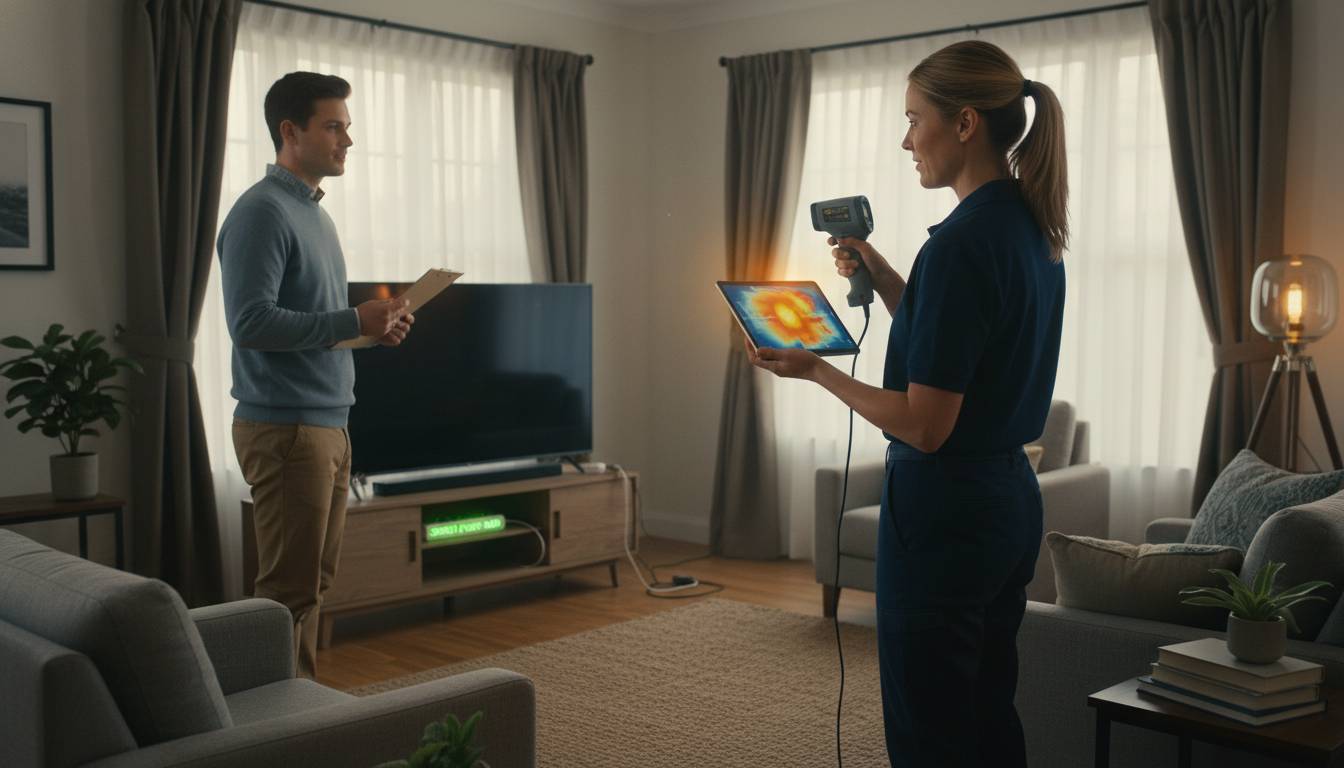
Professional audits cost $200-500 and use specialized tools like blower doors and infrared cameras to detect hidden problems. DIY audits work well for obvious issues and provide immediate improvement opportunities. Consider a professional audit if you’re planning major renovations, purchased an older home, or want comprehensive documentation for efficiency improvements.
What is the average return on investment for energy efficiency upgrades?
Most energy efficiency improvements pay back within 2-7 years. Weatherstripping, LED lighting, and smart thermostats offer the fastest returns (1-2 years). Window and HVAC replacements typically take 7-15 years to recoup through utility savings, though they improve comfort and home value significantly.
How often should I perform a home energy audit?
Conduct a basic audit annually, ideally before heating and cooling seasons begin. A comprehensive audit every 3-5 years ensures you catch new issues and update your improvement priorities. After making major upgrades, reassess to verify improvements and identify remaining opportunities.
What are the most impactful areas to focus on first?
HVAC systems and building envelope (insulation, windows, doors) typically offer the highest impact. These areas account for 50-70% of energy consumption in most homes. Start with thermostat optimization and air sealing, then address insulation and equipment upgrades based on your specific findings.