Reducing your home energy consumption isn’t just about lowering monthly bills—it’s about creating a more comfortable living space, reducing your environmental footprint, and gaining control over one of the largest household expenses. The average American household spends over $2,000 annually on utility costs, and research from the U.S. Department of Energy suggests that homeowners can reduce these expenses by 25% to 50% through proven efficiency measures. This guide provides a strategic roadmap for achieving significant savings, from immediate no-cost habits to smart investments that pay dividends for years.
Understanding Your Home Energy Profile
Before implementing changes, understanding how your home consumes energy creates the foundation for effective savings. Residential energy use breaks down into several key categories, each presenting unique optimization opportunities.
Key Insights
– Heating and cooling account for approximately 48% of typical home energy use
– Water heating represents about 14% of residential energy consumption
– Lighting comprises roughly 9% of home energy costs
– Appliances and electronics make up the remaining 29%
The U.S. Energy Information Administration reports that the average U.S. household consumed 10,556 kWh of electricity in 2023, with regional variations based on climate, housing stock, and consumption patterns. Homes in colder climates naturally require more heating energy, while southern states see peak demand during summer cooling months.
A home energy audit represents the most effective starting point. Many utility companies offer free or low-cost audits that identify air leaks, inefficient appliances, and insulation gaps. The Department of Energy estimates that air leakage accounts for 10% to 25% of heating and cooling costs in typical homes. Understanding your specific consumption patterns enables targeted improvements rather than scattered, less effective efforts.
Quick Wins: No-Cost Habits That Deliver Immediate Savings
Certain behavioral changes require zero investment yet generate measurable savings within the first month. These habits work synergistically—when combined, their impact exceeds the sum of individual effects.
Thermostat Optimization
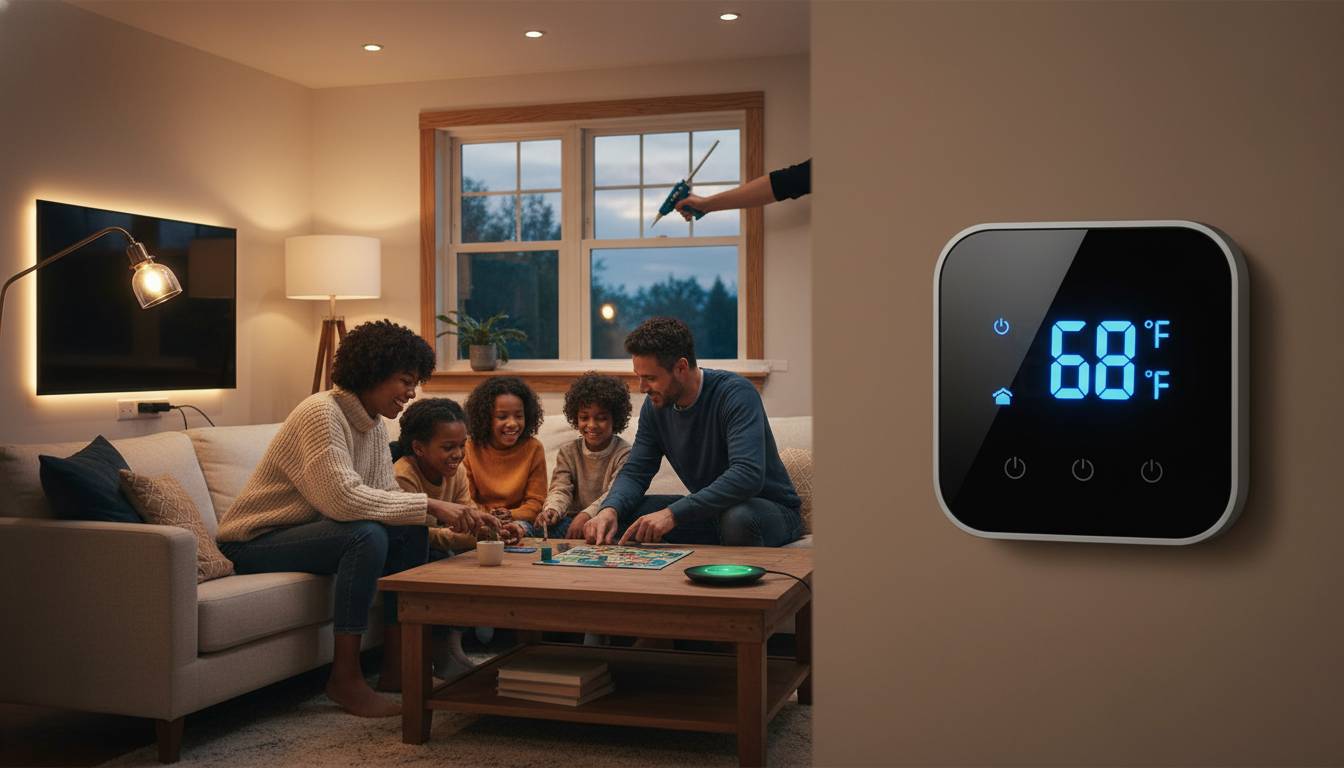
Adjusting your thermostat by 7-10 degrees during sleeping hours or when away from home can reduce annual heating and cooling costs by approximately 10%. The Department of Energy confirms this strategy produces meaningful savings without sacrificing comfort. For winter, setting the thermostat to 68°F while awake and lowering it 7-10 degrees during absence or sleep creates optimal savings. Summer settings should reverse this pattern, with 78°F providing comfortable cooling while maximizing efficiency.
Phantom Load Elimination
Standby power—energy consumed by electronics when turned off but still plugged in—accounts for 5% to 10% of residential electricity use according to Lawrence Berkeley National Laboratory. Unplugging chargers, gaming consoles, and entertainment systems when not in use eliminates this waste. Smart power strips offer convenient solutions, cutting power to multiple devices with a single switch.
Water Heating Efficiency
Water heating ranks as the second-largest energy expense in most homes. Lowering the water heater temperature from 140°F to 120°F reduces energy consumption by approximately 10% while also extending appliance lifespan and reducing scalding risks. Installing low-flow showerheads saves the average household $150 annually in water heating costs, based on EPA WaterSense data.
Lighting Adjustments
Replacing one frequently used incandescent bulb with an LED saves approximately $75 over the bulb’s lifetime. More immediately, turning off lights in unoccupied rooms and maximizing natural daylight during daytime hours requires no financial outlay yet produces measurable reductions in electricity costs.
Smart Thermostats and Automated Efficiency
Investing in smart thermostat technology transforms energy management from manual habit to automated precision. These devices learn household patterns, adjust settings automatically, and provide detailed consumption data that enables informed decisions.
Smart Thermostat Comparison
| Feature | Basic Programmable | Smart Thermostat | Premium Learning |
|---|---|---|---|
| Cost | $20-$50 | $100-$250 | $200-$350 |
| Energy Savings | 10-15% | 15-23% | 20-30% |
| Remote Control | No | Yes | Yes |
| Learning Ability | Manual | Scheduled | Adaptive |
| Integration | None | Basic | Full smart home |
The Nest Learning Thermostat, ecobee, and Honeywell T6 Pro represent leading options in the market. Independent testing by Consumer Reports indicates that smart thermostats typically pay for themselves within two years through operational savings. These devices provide mobile app control, geofencing capabilities that adjust temperatures based on smartphone location, and detailed energy usage reports.
Installation Considerations
While professional installation ensures optimal performance, many homeowners successfully install smart thermostats themselves. Compatibility with existing HVAC systems remains the primary consideration—some older systems require C-wire adapters for proper power supply. Checking manufacturer compatibility guides before purchase prevents installation complications.
Smart thermostats integrate with other smart home devices, enabling sophisticated automation scenarios. Connecting window sensor triggers, occupancy detection, and weather-based adjustments creates comprehensive energy management that exceeds what manual control can achieve.
Insulation and Air Sealing: The Foundation of Efficiency
Heat loss through inadequate insulation represents one of the most significant sources of energy waste in American homes. The Department of Energy estimates that 90% of existing homes are underinsulated by modern standards. Addressing this fundamental issue delivers permanent, compounding savings.
Insulation Types and Applications
| Type | R-Value per Inch | Best Application | Cost per Sq. Ft. |
|---|---|---|---|
| Fiberglass Batts | 3.1-3.4 | Walls, attics | $0.50-$1.50 |
| Blown-in Cellulose | 3.2-3.8 | Existing walls, attic floors | $1.00-$2.00 |
| Spray Foam (Open-cell) | 3.5-3.6 | Cavity walls, attics | $1.50-$3.00 |
| Spray Foam (Closed-cell) | 6.0-6.5 | Foundations, exterior | $2.00-$4.00 |
| Mineral Wool | 3.0-3.3 | Fire-resistant applications | $1.00-$2.50 |
Attic insulation typically offers the highest return on investment since heat rises and escapes most readily through roof structures. The EPA recommends attic insulation of R-38 to R-60 for most U.S. climates, equivalent to approximately 10-14 inches of fiberglass or 6-8 inches of spray foam.
Air Sealing Strategies
While insulation slows heat transfer, air sealing prevents its escape through gaps and cracks. Common problem areas include:
– Electrical outlets and switch plates on exterior walls
– Window and door frames
– Recessed lights in ceilings
– Plumbing and ductwork penetrations
– Baseboards and crown molding
– Attic hatchways and stair covers
Weatherstripping doors and caulking windows provide immediate, measurable improvements. The Department of Energy estimates that comprehensive air sealing can reduce heating and cooling costs by 15% to 20% in typical homes. These improvements also enhance comfort by eliminating cold drafts and hot spots.
Efficient Appliances and Electronics
Major appliances account for substantial ongoing energy costs, and replacing outdated models with ENERGY STAR certified versions generates significant long-term savings. Understanding which replacements offer the best returns helps prioritize investments.
Appliance Replacement Priority
| Appliance | Age to Replace | Potential Savings | Payback Period |
|---|---|---|---|
| Refrigerator | 15+ years | $70-$100/year | 8-12 years |
| Water Heater | 15+ years | $150-$300/year | 7-15 years |
| HVAC System | 15-20 years | $200-$600/year | 10-20 years |
| Washing Machine | 12+ years | $35-$65/year | 12-18 years |
| Dishwasher | 12+ years | $20-$40/year | 15-25 years |
ENERGY STAR certified products use 10% to 50% less energy than standard models, with the exact savings varying by product category. Refrigerators have improved dramatically in efficiency—modern ENERGY STAR models consume approximately 40% less electricity than models from 2001, making replacement cost-effective even for relatively recent purchases.
Beyond Replacement: Optimizing Existing Appliances
Not all efficiency improvements require purchasing new appliances. Maximizing refrigerator efficiency involves keeping coils clean, ensuring proper door seal alignment, and avoiding overfilling that impedes air circulation. Dishwashers operate most efficiently when run with full loads using appropriate settings—skipping the heat dry feature saves 15% to 20% per cycle. Washing clothes in cold water reduces energy consumption by approximately 90% compared to hot water washing, with equivalent cleaning performance for most laundry.
Lighting Transformation: Beyond Bulbs
Lighting efficiency extends far beyond bulb replacement, though LED technology remains the single highest-impact lighting improvement available. The transition from incandescent to LED lighting represents one of the simplest efficiency upgrades with the fastest payback.
Lighting Efficiency Comparison
| Metric | Incandescent | Halogen | CFL | LED |
|---|---|---|---|---|
| Lifespan | 1,000 hours | 3,000 hours | 10,000 hours | 25,000+ hours |
| Energy Use (60W equivalent) | 60W | 43W | 13W | 8W |
| Annual Cost (4 hrs/day) | $8.76 | $6.28 | $1.90 | $1.17 |
| Color Temperature Options | Warm only | Warm only | Limited | Full spectrum |
LED bulbs consume up to 90% less energy than incandescent alternatives while lasting 25 times longer. Although LED bulbs carry higher upfront costs, their 25,000+ hour lifespan and minimal energy consumption create substantial lifetime savings. The Federal Trade Commission requires most LED bulb packaging to display estimated annual energy costs, enabling informed purchasing decisions.
Smart Lighting Integration
Advanced lighting control through smart bulbs and switches enables automation that maximizes efficiency. Scheduling lights to turn off automatically, dimming based on natural light levels, and controlling lights remotely prevents energy waste from forgotten lights. Motion sensor activation in low-traffic areas like closets and garages ensures lights operate only when needed.
Renewable Energy: Solar Solutions for Homes
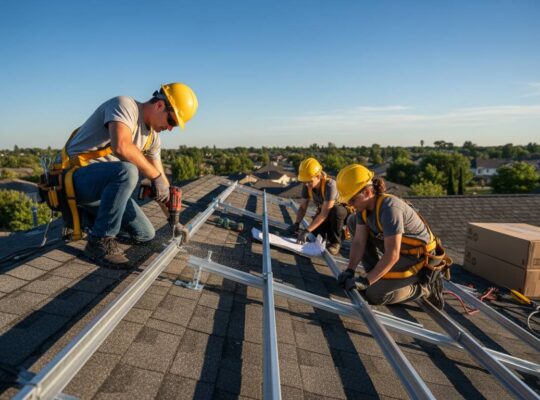
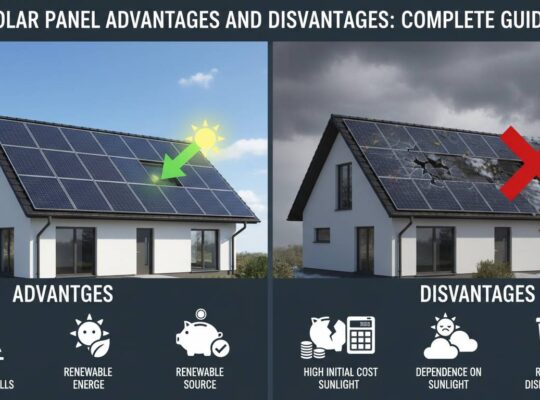
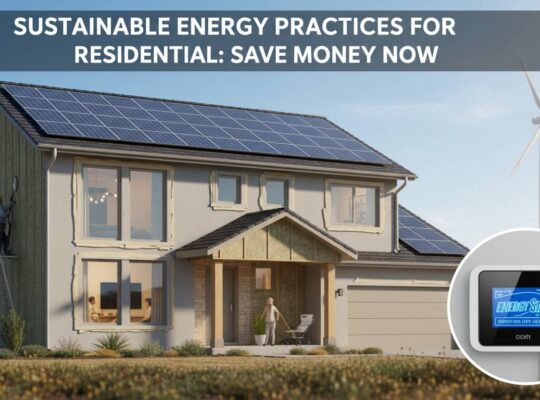
Rooftop solar panels represent the most significant step toward energy independence and long-term cost reduction available to homeowners. While requiring substantial upfront investment, solar systems provide decades of virtually free electricity after payback periods of 6-10 years depending on location and available incentives.
Solar Investment Considerations
The National Renewable Energy Laboratory reports that residential solar costs have dropped by over 70% since 2010, making solar competitive with or cheaper than grid electricity in most U.S. markets. Federal Investment Tax Credits allow homeowners to deduct 30% of solar installation costs from federal taxes through 2032, with the credit stepping down to 26% in 2033 and 22% in 2034.
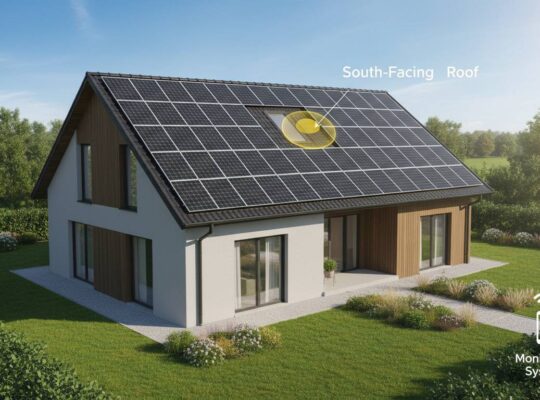
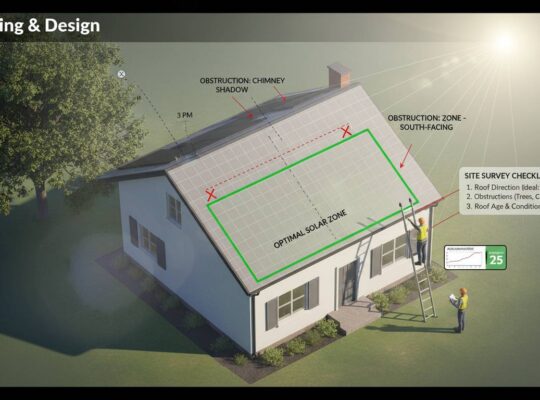
Solar panel efficiency continues improving, with modern residential panels achieving 21% to 23% efficiency compared to 15% to 18% for panels installed a decade ago. South-facing roof orientations maximize energy production, though east and west installations still provide meaningful savings.
Solar Battery Storage
Adding battery storage through systems like Tesla Powerwall or LG Chem enables homeowners to store excess solar production for evening use, maximizing self-consumption and providing backup power during outages. Battery storage increases system costs by $10,000-$15,000 but creates additional value for areas with time-of-use rate structures or unreliable grid power.
Frequently Asked Questions
What is the most effective energy-saving tip for homes?
Thermostat optimization—adjusting heating and cooling by 7-10 degrees when away or sleeping—consistently delivers the highest return on investment among no-cost strategies. This single habit can reduce annual energy bills by approximately 10% without any financial outlay, making it the most impactful starting point for home energy reduction.
How much can I realistically save by making my home energy efficient?
The Department of Energy estimates that homeowners can reduce energy bills by 25% to 50% through comprehensive efficiency improvements. Actual savings depend on your starting point, climate zone, and which measures you implement. A typical household spending $2,000 annually on utilities could save $500 to $1,000 per year through meaningful efficiency upgrades.
What is the fastest way to reduce my electric bill?
Replacing incandescent light bulbs with LED alternatives provides immediate, measurable savings—the payback period is typically less than one year, and bulbs last over 25 times longer. Combining this with phantom load elimination (unplugging unused electronics) and thermostat adjustments creates an immediate impact on monthly bills.
Do smart thermostats really save money?
Independent testing and user data consistently show smart thermostats save 15% to 23% on heating and cooling costs. Consumer Reports testing found that models like the ecobee and Nest Learning Thermostat typically pay for themselves within two years. These devices’ ability to learn schedules, adjust to weather conditions, and provide detailed energy usage data makes them worthwhile investments for most homeowners.
How often should I replace major appliances for energy efficiency?
Most major appliances become candidates for replacement at 12-20 years of age, though the decision depends on current efficiency, repair costs, and available upgrades. Refrigerators and water heaters older than 15 years typically justify replacement based on efficiency improvements in new models. HVAC systems at 15-20 years often reach the point where replacement savings exceed repair costs.
Is solar worth it for a typical home?
Solar provides strong financial returns in most U.S. markets, particularly in regions with high electricity rates or abundant sunshine. With federal tax credits covering 30% of installation costs and solar costs declining 70% over the past decade, payback periods typically range from 6-10 years. Systems last 25-30 years, providing decades of nearly free electricity after the initial investment recovers.
Your Path Forward: Building a Comprehensive Energy Strategy
Achieving substantial home energy savings requires moving beyond isolated tactics toward a comprehensive strategy. Start with the no-cost behavioral changes—thermostat adjustments, phantom load elimination, and water heating optimization. These habits create immediate savings while establishing the awareness needed for larger investments.
Next, prioritize upgrades based on your specific home’s weaknesses. If air sealing and insulation testing reveals significant gaps, addressing these foundational elements amplifies the effectiveness of all other improvements. Smart thermostat installation follows naturally, providing automated control that maintains efficiency without constant attention.
Appliance and lighting replacements happen gradually as items reach end of life, but choosing ENERGY STAR certified models and LED bulbs ensures each replacement improves overall efficiency. For homeowners seeking maximum impact, solar energy represents the ultimate efficiency upgrade—transforming your home from energy consumer to energy producer while锁定 decades of reduced costs.
The journey to energy efficiency isn’t about perfection; it’s about consistent progress. Every improvement, whether behavioral or technological, compounds with others to create lasting reductions in your environmental impact and household expenses. Start with what you can do today, build toward bigger changes tomorrow, and enjoy the compounding benefits of an efficient home.