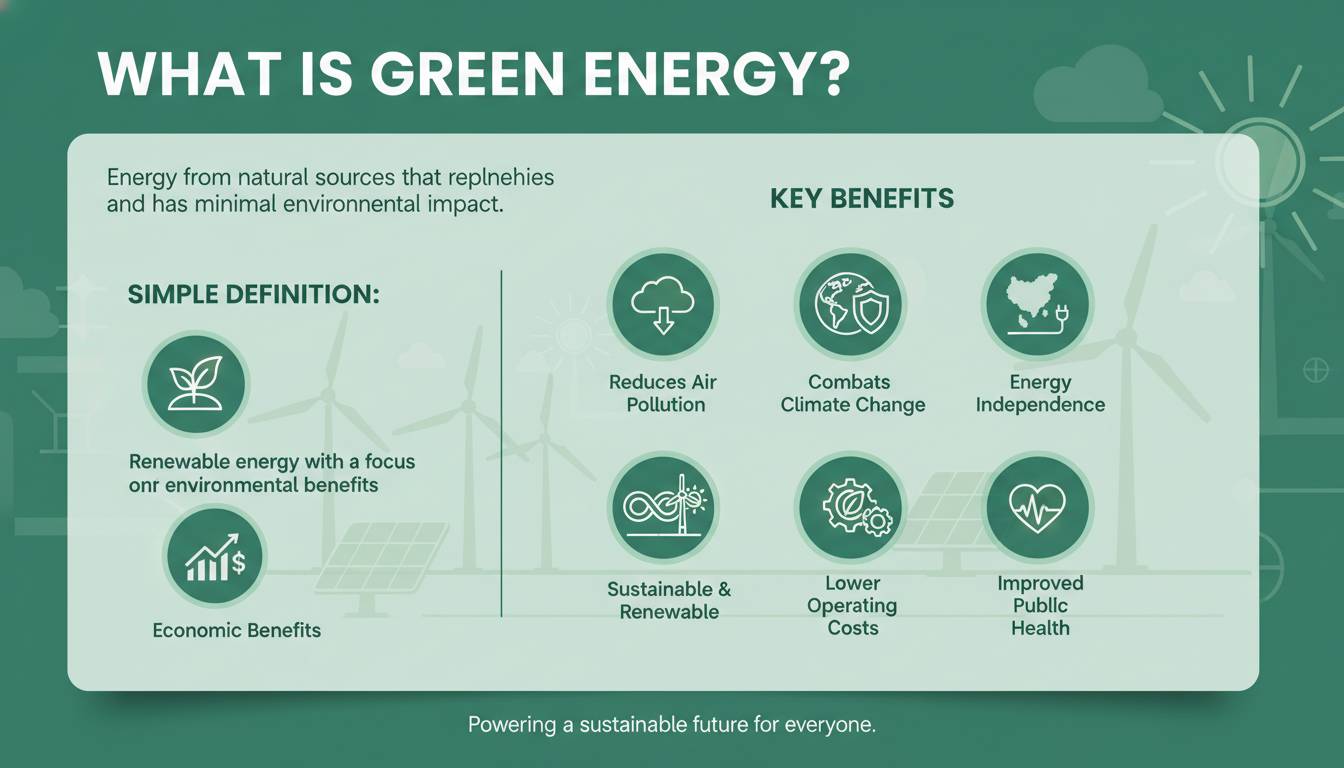
Green energy refers to energy derived from renewable, naturally replenishing sources that have minimal environmental impact throughout their entire lifecycle. Unlike fossil fuels such as coal, oil, and natural gas—which release significant amounts of carbon dioxide and other greenhouse gases when burned—green energy sources produce little to no direct emissions during power generation. This includes solar power, wind energy, hydroelectric power, geothermal energy, and biomass derived from organic materials. The fundamental principle behind green energy is harnessing natural processes that can be continuously renewed without depleting Earth’s resources or contributing significantly to climate change.
The concept has gained tremendous momentum in recent years as governments, businesses, and individuals worldwide recognize the urgent need to transition away from carbon-intensive energy sources. The International Energy Agency (IEA) reported in 2023 that renewable energy capacity additions grew by nearly 50% globally, reaching over 450 gigawatts in a single year—a clear indication that the global energy transition is accelerating faster than many analysts predicted.
Types of Green Energy Sources
Understanding green energy requires examining the primary sources that constitute this category. Each source operates differently and offers unique advantages and considerations.
Solar Energy harnesses sunlight through photovoltaic (PV) panels or concentrated solar power systems. Solar technology converts sunlight directly into electricity or uses it to heat fluids for thermal power generation. The U.S. Department of Energy notes that the cost of solar photovoltaic modules has dropped by more than 99% since 1977, making solar one of the most affordable energy sources available today. Residential solar installations have grown from virtually zero in 2000 to over 3 million systems in 2023, according to the Solar Energy Industries Association.
Wind Energy captures the kinetic energy of air currents using turbines, either on land (onshore) or in bodies of water (offshore). Wind power has become one of the fastest-growing renewable energy sources globally. The American Clean Power Association reports that wind power capacity in the United States exceeded 140 gigawatts by early 2024, providing enough electricity to power over 40 million homes. Offshore wind farms, though more expensive to construct, offer significantly higher energy output due to stronger and more consistent wind patterns over oceans.
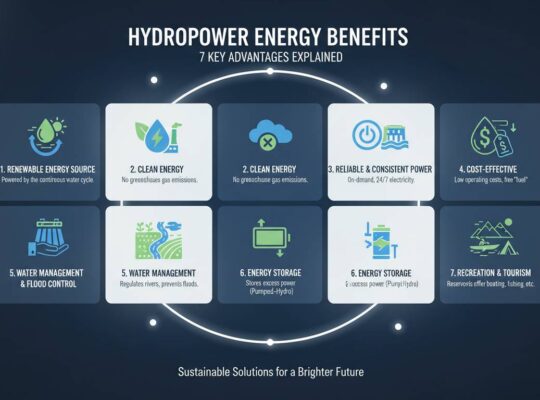
Hydropower utilizes flowing water to generate electricity, typically through dams or run-of-river systems. It remains the largest source of renewable electricity globally, accounting for approximately 16% of the world’s electricity generation. The U.S. has over 2,500 hydropower facilities, making it the fourth-largest hydropower producer in the world.
Geothermal Energy taps into heat stored beneath the Earth’s surface to generate electricity or provide direct heating. While geothermal resources are geographically limited to tectonically active regions, they offer highly reliable baseload power that operates 24 hours a day regardless of weather conditions. The Geysers in California remains the world’s largest geothermal power complex, with a capacity exceeding 1,500 megawatts.
Biomass Energy involves burning organic materials—from wood chips and agricultural waste to specialized energy crops—to produce heat and electricity. Modern advanced biomass technologies, including pyrolysis and gasification, can significantly reduce emissions compared to traditional burning methods. Bioenergy with carbon capture and storage (BECCS) is increasingly being studied as a potential “negative emissions” technology that could actually remove carbon dioxide from the atmosphere.
| Energy Source | Primary Technology | Capacity Factor | Cost per MWh |
|---|---|---|---|
| Solar PV | Photovoltaic panels | 25-40% | $36-44 |
| Onshore Wind | Wind turbines | 35-50% | $25-50 |
| Offshore Wind | Offshore turbines | 45-60% | $65-75 |
| Hydropower | Dams/turbines | 40-60% | $20-50 |
| Geothermal | Heat exchange systems | 70-95% | $40-80 |
Key Benefits of Green Energy
The advantages of transitioning to green energy extend far beyond environmental considerations, encompassing economic, health, and strategic benefits that affect society at multiple levels.
Environmental Impact represents the most discussed benefit. Green energy sources produce negligible direct emissions during operation, dramatically reducing air pollution and greenhouse gas output. The Union of Concerned Scientists estimates that replacing fossil fuel power plants with renewable sources could prevent up to 12,700 premature deaths annually in the United States by 2050. Additionally, renewable energy systems require minimal water compared to thermal power plants—solar and wind operations consume virtually no water, while fossil fuel plants withdraw billions of gallons daily for cooling purposes.
Economic Advantages have become increasingly compelling as technology costs decline. The renewable energy sector now employs more Americans than fossil fuels, with over 300,000 workers in solar and wind industries alone according to the U.S. Department of Energy’s 2023 Energy and Employment Report. This job growth occurs across diverse skill levels, from manufacturing and installation to engineering and maintenance. Furthermore, renewable energy costs have fallen so dramatically that solar and onshore wind are now the cheapest sources of new electricity generation in most of the world, according to BloombergNEF analysis.
Energy Independence provides strategic benefits for nations reliant on imported fossil fuels. The United States spends approximately $100 billion annually importing crude oil and petroleum products, money that could instead circulate within the domestic economy. States with robust renewable energy programs—such as California, Texas, and Iowa—have reduced their dependence on imported energy while creating local economic opportunities.
Grid Resilience and Reliability improve when diverse energy sources feed into the power system. Traditional centralized fossil fuel plants face vulnerability to fuel price volatility, supply disruptions, and transmission bottlenecks. Distributed renewable energy generation reduces these risks while modern grid technologies, including battery storage and smart grid systems, increasingly enable reliable integration of variable renewable sources.
Dr. Nancy Golubici, Director of Energy Policy at the Institute for Energy Economics, emphasizes: “The economic case for green energy has fundamentally shifted. What was once considered an environmental preference has become an economic imperative. Countries and companies that fail to recognize this risk being left behind in the global energy transition.”
How Green Energy Works
Understanding the technical mechanisms behind green energy helps clarify why these sources represent viable alternatives to traditional power generation.
Power Generation occurs differently depending on the energy source. In solar systems, photons from sunlight knock electrons loose in semiconductor materials, creating direct current (DC) electricity that inverters convert to alternating current (AC) for home and grid use. Wind turbines operate on a simple principle: wind spins the blades, which rotate a shaft connected to a generator producing electricity. Hydropower works similarly, using flowing water to spin turbines connected to generators.
Grid Integration presents unique challenges and solutions for renewable energy. Because sunlight and wind availability fluctuates, grid operators must balance supply and demand continuously. Modern approaches address this variability through several mechanisms: geographic distribution of renewable installations spreads across multiple climate zones reduces overall output volatility; energy storage systems, particularly lithium-ion batteries, store excess generation for use during low-production periods; and smart grid technologies enable real-time demand response to match consumption with available supply.
Energy Storage has emerged as the critical enabling technology for high renewable energy penetration. Battery storage capacity globally increased by over 80% in 2023, reaching approximately 45 gigawatt-hours, according to BloombergNEF. The U.S. has announced over 100 gigawatts of new battery storage projects in development. These systems range from small residential batteries like the Tesla Powerwall (13.5 kWh) to massive utility-scale installations like the Moss Landing facility in California, one of the world’s largest at 400 megawatts/1,600 megawatt-hours capacity.
Power Purchase Agreements (PPAs) have become the primary mechanism for corporations and utilities to procure renewable energy. These long-term contracts lock in electricity prices while supporting new renewable project development. In 2023, corporate PPAs for renewable energy reached a record 46 gigawatts globally, with major purchasers including Amazon, Microsoft, Google, and Meta collectively committing to power their operations with 100% renewable energy.
Current State and Adoption Trends
The global energy landscape is undergoing unprecedented transformation as renewable technologies mature and policy support intensifies.
The United States has witnessed remarkable renewable energy growth, with solar and wind now providing over 15% of the nation’s electricity, up from less than 5% a decade ago. The Inflation Reduction Act, signed into law in 2022, commits nearly $370 billion in clean energy incentives over ten years—the largest investment in climate and energy in American history. This policy surge has catalyzed over $270 billion in clean energy investments since its passage, according to the White House.
State-Level Leadership continues driving adoption independent of federal policy. California generates over 30% of its electricity from renewables and has mandated 100% carbon-free electricity by 2045. Texas, traditionally associated with oil and gas, now leads the nation in wind power generation and has added more solar capacity than any other state. Hawaii became the first state to achieve 100% renewable electricity for a full calendar year in 2023.
Global Context shows the energy transition accelerating worldwide. China installed more solar capacity in 2023 than the entire rest of the world combined, reaching over 600 gigawatts of total solar capacity. The European Union has committed to 42.5% renewable energy target by 2030, with member states collectively adding record renewable capacity despite economic headwinds. Emerging economies including India, Brazil, and Vietnam are leapfrogging traditional infrastructure to adopt renewable solutions directly.
Common Misconceptions About Green Energy
Despite widespread adoption, several persistent myths continue to cloud public understanding of renewable energy.
“Renewable energy is too expensive” represents perhaps the most outdated misconception. While early renewable technologies required significant subsidies, utility-scale solar and onshore wind now compete directly with or beat fossil fuels on cost in most regions. The levelized cost of energy (LCOE) for new solar installations dropped 89% between 2010 and 2022, while wind costs fell 69%, according to the International Renewable Energy Agency (IRENA).
“Renewables can’t provide reliable baseload power” fails to account for modern storage technologies and grid management capabilities. Countries including Denmark, Uruguay, and Costa Rica regularly generate over 90% of their electricity from renewables, demonstrating technical feasibility at scale. Battery storage, hydroelectric pumped storage, and interconnection with neighboring grids enable reliable supply despite the variable nature of wind and solar resources.
“Green energy requires too much land” overlooks the dual-use potential of renewable installations. Agrivoltaics—combining solar panels with agricultural production—allows farms to generate electricity while continuing to grow crops. Offshore wind avoids land use entirely while accessing stronger wind resources. Rooftop solar utilizes existing developed areas without additional land consumption.
The Future of Green Energy
The trajectory suggests green energy will dominate electricity generation within the coming decades, with implications extending across all sectors of the economy.
Technological Advancement continues improving performance and reducing costs. Next-generation solar materials including perovskites promise higher efficiency and lower manufacturing costs. Floating offshore wind platforms open vast ocean areas previously unsuitable for wind development. Green hydrogen—produced using renewable electricity to split water molecules—could decarbonize hard-to-electrify sectors including heavy industry and long-distance transportation.
Decarbonization Pathways increasingly identify electricity as the primary energy carrier in a net-zero economy. Electrification of transportation, heating, and industrial processes, combined with renewable electricity generation, offers the most cost-effective route to meeting climate targets. The Intergovernmental Panel on Climate Change (IPCC) emphasizes that limiting global warming to 1.5°C requires unprecedented renewable energy deployment, with solar capacity needing to increase six-fold and wind capacity three-fold by 2050.
Investment Trends confirm the private sector’s confidence in renewable energy’s future. Global clean energy investment exceeded $500 billion in 2023, with financial institutions increasingly divesting from fossil fuel assets while increasing renewable allocations. Major oil companies including Shell, BP, and ExxonMobil have announced renewable energy expansion plans, recognizing the strategic shift underway.
Frequently Asked Questions
What is the simplest definition of green energy?
Green energy is power generated from renewable sources that naturally replenish and produce minimal environmental pollution, including solar, wind, hydropower, geothermal, and biomass energy. These sources differ from fossil fuels by generating electricity without releasing significant greenhouse gases or pollutants during operation.
How does green energy benefit the environment?
Green energy reduces air pollution, decreases greenhouse gas emissions that drive climate change, conserves water resources, and minimizes habitat destruction associated with fossil fuel extraction. By replacing coal and natural gas plants, renewable energy prevents thousands of premature deaths annually while helping meet international climate targets.
Is green energy actually cheaper than fossil fuels?
Yes, in most regions of the world, new solar and wind installations are now cheaper than new coal or natural gas plants when considering the full lifecycle cost. According to BloombergNEF, 96% of new solar projects and 92% of new onshore wind projects built in 2024 will be cheaper than the cheapest fossil fuel alternative.
Can green energy power my entire home?
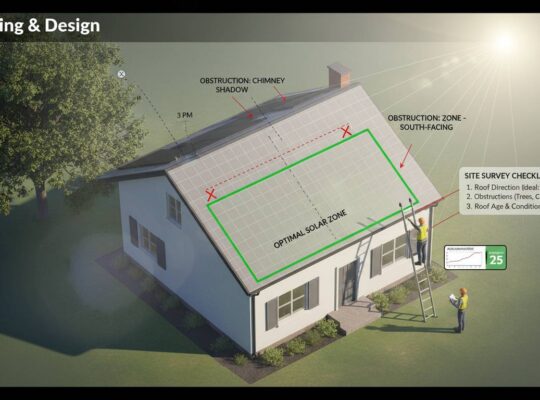
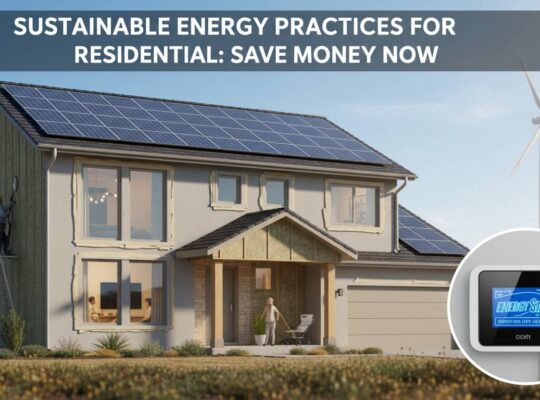
Yes, combinations of solar panels, battery storage, and energy-efficient appliances can power homes entirely with renewable energy. Many homeowners install rooftop solar with battery backup systems that provide electricity during nighttime and cloudy periods. Net metering programs in many states allow excess solar generation to be sold back to the grid, further supporting renewable energy use.
How reliable is green energy during weather events?
Modern renewable energy systems are designed for reliability and often outperform traditional plants during extreme weather. Solar panels continue generating on cloudy days (though at reduced output), while wind turbines operate in rain and snow. Battery storage systems provide backup power during outages, and geographic diversity of renewable installations ensures consistent supply across weather variations.
What is the future outlook for green energy?
The future is exceptionally bright for green energy. Global renewable capacity is projected to triple by 2030, with solar leading the expansion. Battery storage costs continue falling while performance improves. Major economies have committed to net-zero emissions targets that require massive renewable energy deployment. The technology is mature, costs are competitive, and policy support is strengthening globally.
Conclusion
Green energy represents a fundamental transformation in how humanity produces and consumes power. What began as an environmental aspiration has evolved into an economic and strategic imperative, with renewable sources now providing the cheapest new electricity generation in most circumstances. The benefits extend across environmental health, economic opportunity, energy independence, and technological innovation.
For individuals considering renewable energy options, the barriers have never been lower. Residential solar systems offer returns on investment within 5-7 years while locking in electricity costs for decades. Community solar programs provide access to renewable energy for renters and those unable to install rooftop panels. Businesses can meet sustainability goals while reducing energy costs through power purchase agreements.
The transition will require continued investment in grid infrastructure, storage technology, and workforce development. Yet the direction is clear: renewable energy is not merely an alternative but the foundation of tomorrow’s energy system. Understanding green energy’s definition, benefits, and implementation has become essential knowledge for navigating our evolving world.