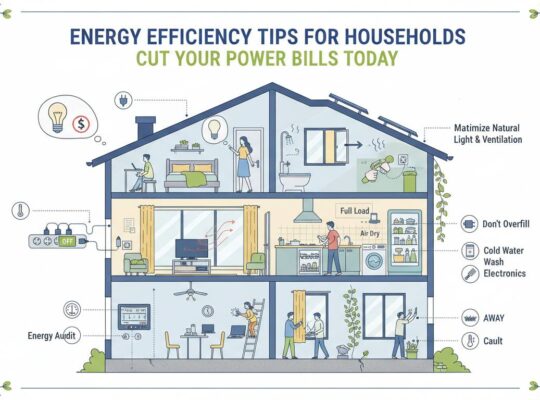
Reducing energy consumption isn’t just an environmental responsibility—it’s a strategic business advantage that directly impacts your bottom line. American businesses spend approximately $200 billion annually on electricity alone, with many companies wasting 30% of their energy through inefficiency. This guide provides actionable, data-backed strategies to cut energy costs while maintaining or improving operational performance.
Why Energy Efficiency Matters for Your Business
Energy costs represent one of the largest operating expenses for businesses across every sector. From manufacturing facilities to office buildings, the financial impact of energy inefficiency compounds over time. The U.S. Department of Energy reports that commercial buildings waste an average of 30% of the energy they consume, representing billions of dollars in unnecessary spending nationwide.
Beyond cost savings, energy efficiency improvements deliver measurable business benefits. Companies that implement comprehensive energy management programs typically see ROI within 1-3 years, according to the American Society of Heating, Refrigerating and Air-Conditioning Engineers (ASHRAE). These improvements also enhance property values, qualify buildings for green certifications, and demonstrate environmental leadership to increasingly eco-conscious customers and investors.
Key Business Impacts:
| Factor | Impact | Timeline |
|---|---|---|
| Operating Cost Reduction | 15-30% savings | 1-24 months |
| Property Value Increase | 5-10% premium | 12-36 months |
| Tax Incentives | Up to 30% deduction | Year of implementation |
| Employee Productivity | 2-4% improvement | 3-6 months |
The financial case for energy efficiency has never been stronger. Utility rates continue rising at an average of 3-5% annually, while energy efficiency technologies have become more affordable and accessible. Businesses that act now lock in savings while competitors face mounting energy costs.
Quick Wins: High-Impact, Low-Cost Improvements
Some of the most effective energy efficiency measures require minimal investment yet deliver immediate returns. These quick wins create momentum for larger initiatives while generating measurable savings.
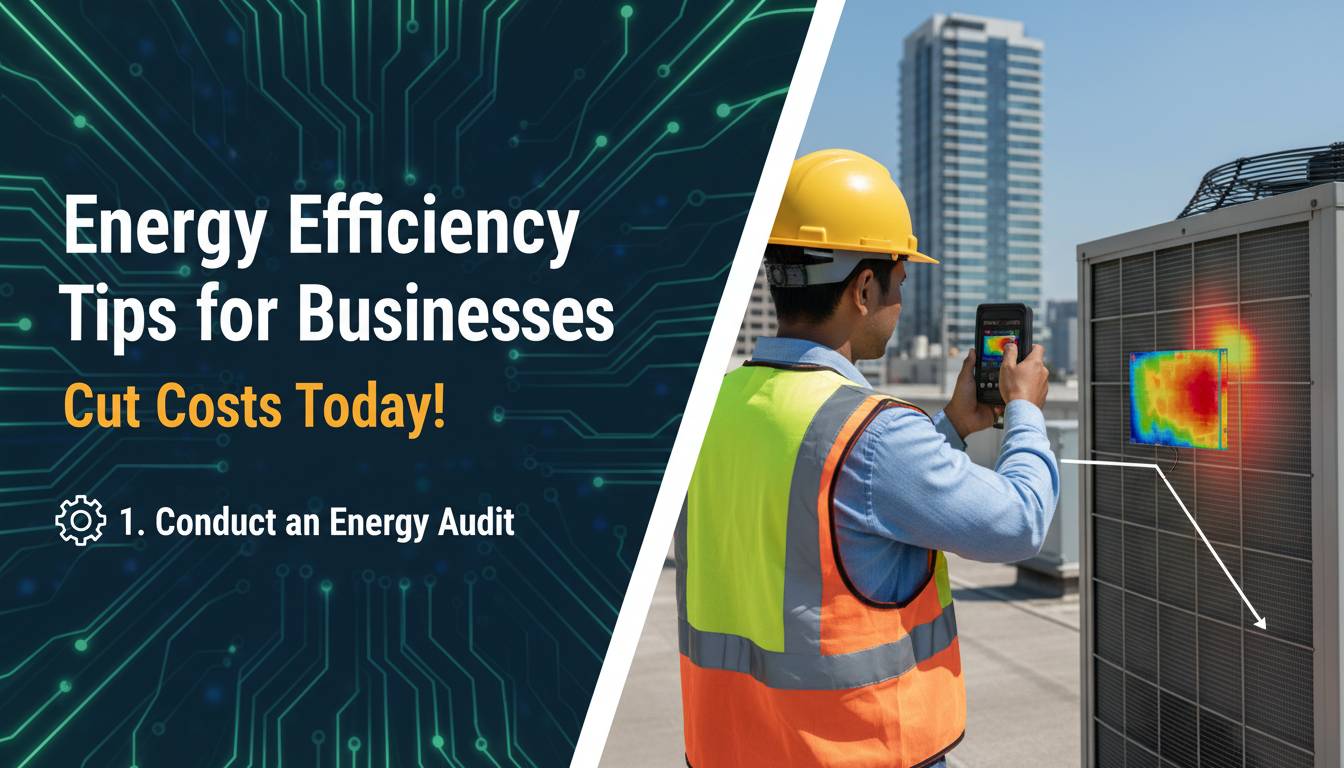
Conduct an Energy Audit
Before implementing changes, understand where energy goes. The U.S. Environmental Protection Agency’s ENERGY STAR program estimates that professional energy audits identify savings opportunities worth 5-20% of total energy costs. Many utilities offer free or subsidized audits for commercial customers.
Audit Priorities:
– Lighting systems (often 20-40% of electricity costs)
– HVAC equipment and controls
– Office equipment and plug loads
– Production equipment efficiency
– Building envelope (insulation, windows, seals)
Optimize Lighting Immediately
Lighting represents the fastest opportunity for savings. LED retrofits pay for themselves in 1-3 years while reducing lighting energy use by 50-75%. Motion sensors in low-traffic areas—restrooms, storage rooms, conference rooms—can reduce lighting energy by an additional 30-50%.
A case study from a 50,000-square-foot office building in Chicago demonstrated that replacing T12 fluorescent tubes with LED fixtures, combined with occupancy sensors, reduced lighting energy costs by 68%—saving $31,000 annually while improving light quality.
Address Air Leaks and Insulation
Simple weatherstripping and caulking around windows and doors costs pennies per linear foot but prevents significant energy waste. The Department of Energy estimates that sealing air leaks and adding insulation can reduce heating and cooling costs by 10-20%. Focus on areas with visible gaps, around penetrations for electrical and plumbing, and in older buildings with original construction.
HVAC Optimization: The Largest Energy Consumer
Heating, ventilation, and air conditioning systems typically consume 40-60% of commercial building energy—making HVAC efficiency the single most impactful area for improvement.
Regular Maintenance Pays Dividends
Dirty filters restrict airflow, forcing HVAC systems to work harder and consume more energy. The U.S. Department of Energy reports that replacing dirty air filters can reduce energy consumption by 5-15%. Monthly filter checks during peak seasons and quarterly checks otherwise keep systems running efficiently.
Beyond filters, annual professional maintenance catches issues before they become expensive problems. Refrigerant leaks, worn bearings, and dirty coils all reduce efficiency. A study by the National Renewable Energy Laboratory found that proper HVAC maintenance reduced energy consumption by an average of 11% in commercial buildings.
Smart Thermostat Implementation
Programmable and smart thermostats enable precise temperature control based on occupancy schedules. The U.S. Department of Energy estimates that properly set programmable thermostats can save about 10% annually on heating and cooling costs. Smart thermostats with learning capabilities optimize schedules automatically and provide detailed energy usage data.
HVAC Efficiency Best Practices:
| Practice | Potential Savings | Investment |
|---|---|---|
| Smart thermostat installation | 8-12% | $150-500 |
| Quarterly filter replacement | 5-15% | $200-800/year |
| Annual professional maintenance | 10-20% | $300-1,500/year |
| Duct sealing and insulation | 10-25% | $500-3,000 |
| Variable speed motor upgrades | 15-30% | $2,000-10,000 |
Consider Zoning Systems
Multi-zone HVAC systems allow different areas to have different temperature settings based on occupancy. A restaurant with a dining room, kitchen, and office can maintain comfortable temperatures in each space without over-conditioning unoccupied areas. Zoning typically reduces HVAC energy consumption by 20-30% in buildings with varying occupancy patterns.
Equipment and Appliance Efficiency
Office equipment, manufacturing machinery, and commercial kitchen appliances all contribute to energy consumption. Strategic upgrades and operational changes yield significant savings.
Energy Star Certification Matters
When replacing equipment, ENERGY STAR certified products use significantly less energy than standard models. Commercial refrigerators and freezers with ENERGY STAR certification use up to 40% less energy than non-certified models. Office equipment like computers, monitors, and printers with ENERGY STAR ratings consume 30-50% less energy during use and sleep modes.
For restaurants and food service operations, equipment efficiency is particularly critical. Commercial kitchen equipment accounts for substantial energy use, and ENERGY STAR certified fryers, ovens, and dishwashers deliver 10-30% efficiency improvements compared to standard equipment.
Implement Power Management Settings
Office equipment left running overnight and on weekends wastes substantial energy. The EPA estimates that enabling power management settings on computers and peripherals can save $50-150 per computer annually. Sleep mode and automatic shutdown timers ensure equipment operates only when needed.
A manufacturing case study from a Midwest metal fabrication facility showed that implementing scheduled equipment shutdowns during non-production shifts reduced electricity costs by 18% without impacting production capacity or quality.
Optimize Compressed Air Systems
For businesses using compressed air—a critical energy consumer in manufacturing—leaks represent significant waste. The Department of Energy estimates that 10-30% of compressed air production is lost to leaks in typical systems. Implementing a leak detection and repair program, along with variable speed compressors that match output to demand, can reduce compressed air energy costs by 20-50%.
Behavioral Changes and Employee Engagement
Technology and equipment upgrades work best alongside organizational practices that reinforce efficiency goals. Employee engagement transforms efficiency from a one-time project into an ongoing competitive advantage.
Build an Energy Awareness Culture
Simply informing employees about energy costs and efficiency goals can reduce consumption by 5-15%, according to research from the Center for Energy Efficiency. Posting energy dashboards, sharing savings results, and recognizing conservation efforts create accountability and pride.
Successful programs include:
- Monthly energy usage reports shared with department managers
- Department-level energy goals with recognition for top performers
- Simple behavior reminders (turn off lights, close doors, adjust blinds)
- Suggestion programs that reward efficiency improvements
- New employee training on company energy practices
Establish Operating Schedules
Aligning equipment and lighting operation with actual occupancy schedules eliminates waste during evenings, weekends, and holidays. A typical office building uses 30-50% of its maximum electricity load during non-business hours—energy serving empty spaces. Automated scheduling systems ensure equipment runs only when needed.
Technology and Automation for Continuous Optimization
Modern energy management systems provide visibility and control that manual approaches cannot match. Building automation systems integrate multiple efficiency strategies into coordinated operations.
Building Energy Management Systems
Building automation systems (BAS) coordinate HVAC, lighting, and other energy-consuming systems based on occupancy, weather, and utility rates. Advanced systems use machine learning to optimize performance automatically. According to the Rocky Mountain Institute, properly implemented BAS can reduce energy consumption by 15-30% in commercial buildings.
Submetering for Accountability
Installing utility-level meters for different building areas or functions enables accountability and identifies savings opportunities. When a retail chain implemented submetering across 50 locations, energy managers identified that several stores were using 40% more energy than comparable locations—revealing maintenance issues and operational problems that, once addressed, saved $2.1 million annually.
Renewable Energy Considerations
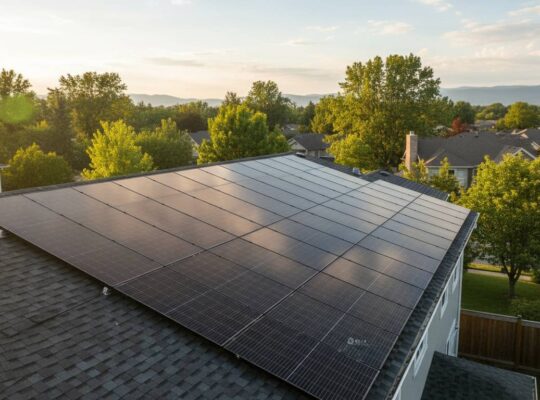
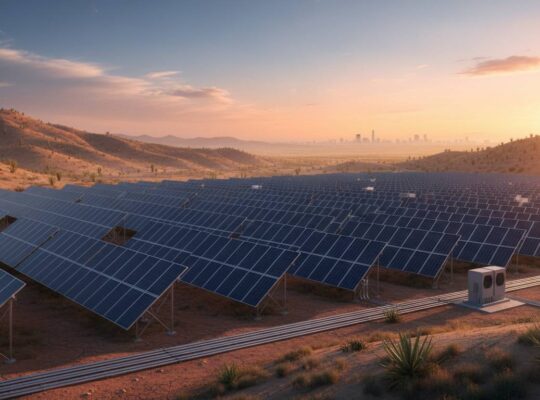
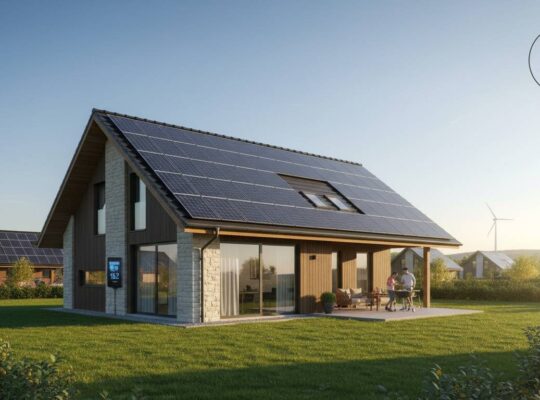
On-site solar installations have become cost-effective in many regions, with solar panel costs declining 90% over the past decade. Power purchase agreements (PPAs) allow businesses to install solar with no upfront cost while locking in predictable electricity rates for 20 years. The average commercial solar PPA saves 15-30% compared to utility rates over the contract term.
Financial Incentives and Rebate Programs
Multiple incentive programs reduce the cost of efficiency improvements, accelerating ROI and enabling projects that might otherwise wait.
Utility Rebates and Incentives
Nearly all major U.S. utilities offer rebates for energy-efficient equipment, lighting upgrades, HVAC replacements, and building improvements. Rebates typically range from $50 for simple equipment replacements to $100,000 or more for comprehensive commercial building retrofits. Contact your utility provider or visit the Database of State Incentives for Renewables and Efficiency (DSIRE) to identify available programs.
Federal Tax Benefits
The Energy Policy Act and subsequent legislation provide tax deductions for commercial building energy efficiency. The 179D tax deduction allows building owners and designers to deduct up to $1.80 per square foot for buildings achieving 50% energy savings compared to ASHRAE standards. Partial deductions are available for individual improvements.
State and Local Programs
State energy offices, local utilities, and municipal programs offer additional incentives. Many states provide rebates, tax credits, or financing programs for commercial energy efficiency. Some jurisdictions require commercial buildings to meet energy efficiency standards at time of sale or major renovation.
Implementation Roadmap: A Phased Approach
Successful energy efficiency transformation follows a logical progression from assessment through implementation and optimization.
Phase 1: Assessment and Planning (1-3 months)
Begin with a comprehensive energy audit to establish baseline consumption and identify priority opportunities. Review utility bills from the past 24 months to understand consumption patterns and costs. Engage employees in identifying waste and gathering operational insights.
Phase 2: Quick Wins (1-6 months)
Implement low-cost, high-impact measures immediately: LED lighting upgrades, smart thermostats, behavior programs, and basic maintenance. These projects build momentum and generate savings that fund larger initiatives.
Phase 3: Major Equipment Upgrades (6-24 months)
Replace aging equipment with high-efficiency alternatives during normal replacement cycles. Coordinate HVAC upgrades with roof replacements or other building improvements to maximize efficiency gains. Apply utility rebates and tax incentives to reduce project costs.
Phase 4: Optimization and Continuous Improvement (Ongoing)
Implement building automation and energy management systems. Monitor performance against baselines. Adjust operations based on data and emerging opportunities. Maintain efficiency gains through ongoing training and accountability.
Frequently Asked Questions
How long does it take to see a return on energy efficiency investments?
Most quick-win projects like LED lighting and smart thermostats achieve ROI within 1-3 years. Comprehensive efficiency programs typically show full ROI within 2-5 years, though some individual measures pay back faster. The exact timeline depends on utility rates, project costs, and implementation quality.
What is the simplest energy efficiency improvement for a small business?
LED lighting retrofit is the easiest high-impact improvement. Most small businesses can complete lighting upgrades in a few weeks with minimal disruption. Combined with smart thermostats and basic weatherization, these measures typically cost $1-3 per square foot and reduce energy bills by 20-30%.
Do energy efficiency improvements affect employee comfort?
Properly designed efficiency improvements enhance comfort. LED lighting produces less heat than older lighting, reducing cooling loads. Smart HVAC controls maintain more consistent temperatures. Improved ventilation and air filtration in efficient buildings create healthier indoor environments. The key is ensuring efficiency measures account for occupancy patterns and comfort requirements.
Are there grants available for commercial energy efficiency upgrades?
Yes. The U.S. Department of Energy offers grants through programs like the Building Technologies Office. Many states administer energy efficiency programs funded by utility rate cases. The Small Business Administration sometimes supports efficiency projects through loan programs. Check DSIRE for comprehensive incentive information in your state.
How much can a business realistically save with energy efficiency?
Most businesses can achieve 20-30% reduction in energy costs through comprehensive efficiency measures. Aggressive programs targeting 40-50% savings are possible but require significant investment and commitment. A manufacturing facility in Ohio achieved 35% energy cost reduction over three years through a combination of equipment upgrades, process optimization, and employee engagement—saving $1.2 million annually.
Conclusion
Energy efficiency represents one of the highest-ROI investments available to businesses today. The strategies outlined in this guide—from quick behavioral changes to comprehensive technology implementations—provide a roadmap for significant cost reduction while improving operational performance and environmental sustainability.
The most successful energy efficiency programs share common characteristics: leadership commitment, employee engagement, data-driven decision-making, and patience for long-term optimization. Start with assessment, implement quick wins to build momentum, and progress systematically toward comprehensive efficiency transformation.
With energy costs continuing to rise and efficiency technologies becoming more accessible, the window for capturing competitive advantage through energy management is NOW. Businesses that invest in efficiency today will enjoy lower operating costs, enhanced property values, and stronger market positions for years to come.