The average American household spends approximately $2,200 annually on electricity, making energy costs one of the largest recurring expenses for most families. Yet research from the U.S. Department of Energy suggests that households can reduce these costs by 25% to 30% through practical efficiency measures—savings that add up to $550 or more each year without sacrificing comfort or convenience. This comprehensive guide provides actionable strategies to help you cut your power bills today while reducing your environmental footprint.
Understanding Your Home’s Energy Profile
Before implementing changes, understanding where your energy goes provides the foundation for targeted improvements. The U.S. Energy Information Administration reports that heating and cooling account for approximately 48% of total household energy consumption, making climate control the most significant driver of your utility costs. Water heating follows at around 14%, while lighting and appliances combined represent another 20% of typical energy use.
This breakdown reveals a critical insight: focusing your efforts on heating, cooling, and water heating delivers the highest return on investment. However, the remaining 18% of energy consumption—from electronics in standby mode to inefficient everyday habits—represents overlooked opportunities for savings that require minimal investment to address.
The U.S. Environmental Protection Agency’s ENERGY STAR program estimates that the average household wastes between $100 and $200 annually through energy inefficiency, whether from drafty windows, outdated appliances, or simple behavioral patterns. Understanding your specific consumption through your utility company’s usage tracking tools helps you prioritize interventions that match your home’s particular weaknesses.
Quick Wins for Immediate Savings
Some of the most effective energy efficiency measures require no financial investment whatsoever, relying instead on simple behavioral adjustments and awareness. These quick wins can reduce your monthly bills by 10% to 15% within the first month of implementation.
Adjust your thermostat strategically. The U.S. Department of Energy recommends setting your thermostat to 68°F (20°C) during waking hours in winter and lowering it by 7-10 degrees when you’re asleep or away from home. Each degree you lower the thermostat can save approximately 3% on your heating bill. For summer cooling, setting the thermostat to 78°F (26°C) instead of lower temperatures provides substantial savings while maintaining comfort.
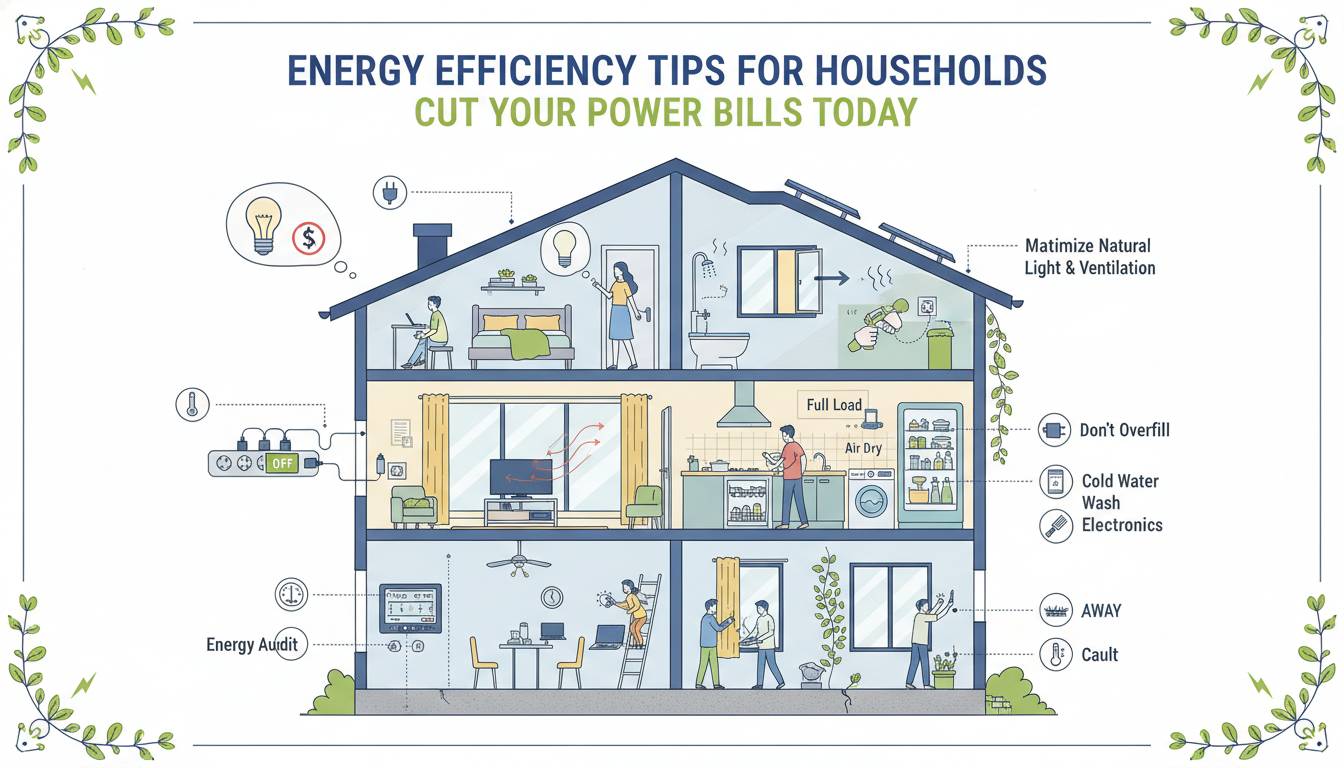
Unplug phantom loads. Devices like televisions, computers, gaming consoles, and kitchen appliances continue drawing power even when turned off—a phenomenon called phantom load or vampire power. The U.S. Department of Energy estimates that phantom loads account for 5% to 10% of residential electricity use. Using power strips with on/off switches makes eliminating these loads as simple as flipping a single switch when leaving home.
Maximize natural lighting and ventilation. Opening curtains during daylight hours reduces the need for artificial lighting, while strategic window placement can provide significant passive solar heating in winter. During cooler months, turning off exhaust fans promptly after use prevents conditioned air from escaping unnecessarily.
Heating and Cooling Optimization
Your HVAC system represents both your largest energy expense and your greatest opportunity for savings. Proper maintenance and strategic upgrades to heating and cooling equipment can cut related costs by 20% to 40%.
Replace air filters regularly. A clogged air filter forces your HVAC system to work harder, consuming more energy while reducing indoor air quality and system lifespan. Check filters monthly and replace them every 1-3 months, depending on usage and indoor air quality factors. This simple maintenance task costs approximately $10-20 per filter and pays for itself within weeks through improved efficiency.
Seal air leaks and add insulation. The U.S. Department of Energy estimates that air leakage through walls, windows, doors, and foundations accounts for 25% to 40% of energy loss in typical homes. Weatherstripping doors and windows costs $10-30 and takes an afternoon to install. For comprehensive air sealing, professional weatherization services through your local utility company’s weatherization assistance program may be available at reduced cost or free for qualifying households.
Consider upgrading to a heat pump. Modern heat pump systems provide both heating and cooling at efficiencies 300% to 400% greater than traditional resistance heating. While the upfront investment ranges from $2,000 to $7,500 depending on home size and climate, the U.S. Department of Energy reports that heat pumps can reduce heating costs by up to 50% compared to electric resistance heating. Many utility companies and state programs offer rebates and incentives that offset a significant portion of installation costs.
Lighting Efficiency Strategies
Lighting accounts for approximately 12% of household energy consumption, but modern LED technology makes reducing this percentage remarkably straightforward. The transition from incandescent to LED lighting represents one of the simplest efficiency upgrades with the fastest return on investment.
Switch to LED bulbs. LED lights use approximately 75% less energy than incandescent bulbs and last 25 times longer. While LED bulbs cost more upfront—typically $3-10 each versus $1 for incandescents—they pay for themselves within one to two years through reduced electricity costs. A single LED bulb can save $50-150 over its lifetime, and most households have 20-40 light fixtures.
Implement smart lighting controls. Motion sensors in frequently used spaces like bathrooms, closets, and garages ensure lights operate only when needed. Timers and smart home integration allow you to schedule lighting based on your routine or control lights remotely when away. Smart bulbs with dimming capabilities use less energy at lower brightness levels while extending bulb life.
Select proper light levels. Overlighting wastes energy without improving functionality. Assessing each room’s actual lighting needs and removing unnecessary bulbs or installing lower-wattage alternatives reduces consumption while often improving aesthetic comfort. Task lighting—focused illumination for specific activities like reading or cooking—provides better visibility than overall room lighting at lower energy cost.
Water Heating Improvements
Water heating typically ranks as the second-largest energy expense in American homes, making efficiency improvements in this area particularly valuable. Several strategies address both consumption and efficiency.
Lower water heater temperature. The U.S. Department of Energy recommends setting water heaters to 120°F (49°C)—hot enough for most household needs while preventing scalding and reducing standby heat loss. Each 10°F reduction in water temperature saves approximately 3% to 5% on water heating costs. For households with dishwashers lacking built-in heating elements, 120°F may be insufficient; look for ENERGY STAR models with booster heating capabilities.
Insulate your water heater and pipes. Water heater insulation blankets cost $20-40 and can reduce standby heat loss by 25% to 45%, paying for themselves within one year. Insulating the first six feet of hot and cold water pipes leading from the water heater improves efficiency and reduces wait times for hot water at distant fixtures.
Reduce water waste. The average household wastes up to 3,000 gallons annually waiting for water to heat up. Installing low-flow faucet aerators and showerheads reduces water consumption while maintaining pressure—saving both water and the energy required to heat it. The EPA’s WaterSense program certifies products that use 20% less water than standard models without sacrificing performance.
Smart Technology and Strategic Upgrades
Modern smart home technology offers unprecedented opportunities to optimize energy consumption through automation, monitoring, and precise control. While some investments require upfront capital, the long-term savings and convenience benefits are substantial.
Install a smart thermostat. Learning thermostats like those certified under ENERGY STAR automatically adjust temperatures based on your schedule, preferences, and weather conditions. The U.S. Environmental Protection Agency estimates that ENERGY STAR certified smart thermostats save an average of 8% on heating and cooling costs, or approximately $50-100 annually. Most models cost $100-250 and install in under an hour with basic tools.
Monitor individual circuit consumption. Whole-house energy monitors and smart plugs provide detailed visibility into where your electricity goes, revealing unexpected consumption patterns and enabling informed decisions about efficiency investments. Several utility companies offer free or discounted energy monitors to customers, recognizing that informed consumers make better efficiency choices.
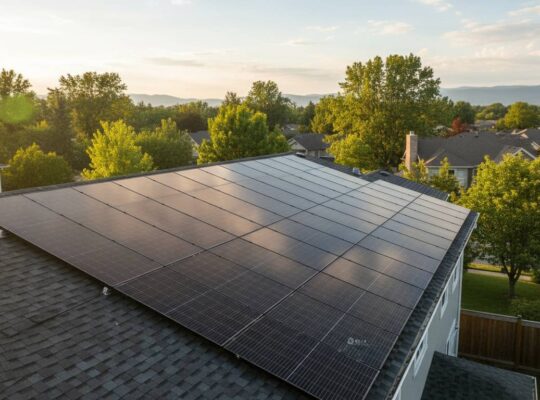
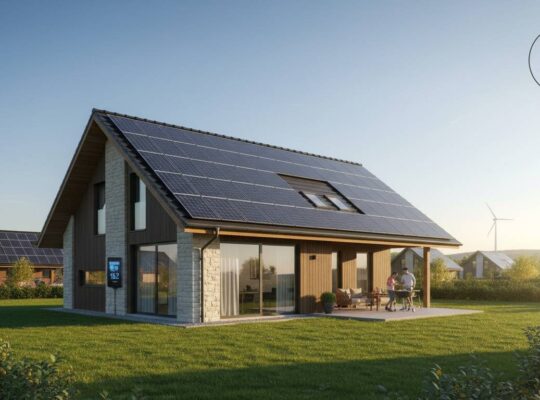
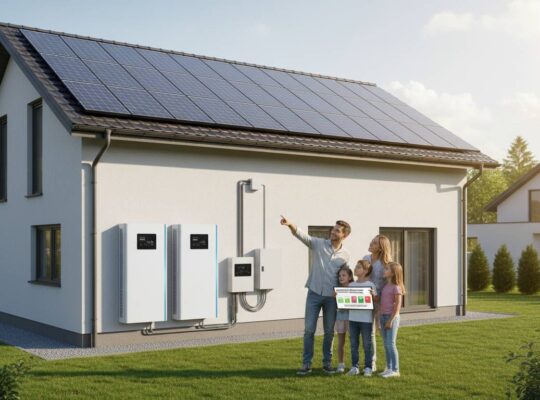
Consider renewable energy options. Solar photovoltaic systems have dropped in price by more than 70% over the past decade, making residential solar increasingly accessible. While the upfront investment for a typical residential system ranges from $15,000 to $25,000 after federal tax credits, the 25-year lifespan of solar panels can generate $40,000 or more in electricity savings. Many installers offer zero-money-down leases or power purchase agreements that eliminate upfront costs while providing immediate bill reductions.
Behavioral Changes for Sustained Savings
Technology and equipment improvements work best when combined with conscious energy habits. The smallest behavioral adjustments, practiced consistently, compound into meaningful savings over time.
Practice efficient laundry habits. Washing clothes in cold water saves approximately 90% of the energy used in warm or hot washes, as heating water accounts for 90% of washing machine energy consumption. Air-drying clothes, even partially, further reduces consumption while extending garment life. When using a dryer, drying full loads and cleaning the lint trap after each use maintains efficiency.
Optimize appliance use. Running dishwashers and washing machines with full loads maximizes efficiency per cycle. Air-drying dishes instead of using the heated drying cycle cuts dishwasher energy use by 15% to 50%. Pre-rinsing dishes before loading is unnecessary with modern efficient dishwashers and wastes water.
Develop an energy-aware mindset. Simply becoming conscious of energy consumption changes behavior. Checking your smart meter or energy monitoring app daily creates awareness that drives efficient choices. Teaching household members about energy costs and efficiency strategies ensures everyone contributes to savings goals.
When to Consider Major Upgrades
While incremental improvements provide immediate benefits, certain situations call for more substantial investments that deliver greater long-term returns.
Appliances over 10-15 years old typically operate significantly less efficiently than modern equivalents. The ENERGY STAR program reports that replacing a pre-2006 refrigerator with an ENERGY STAR certified model saves $70-100 annually in electricity costs. The payback period for appliance replacement varies but typically ranges from 5-12 years depending on usage patterns and local utility rates.
HVAC systems over 15 years old have likely lost significant efficiency. Modern air conditioners use 30% to 50% less energy than units manufactured before 2006. Heat pump technology has improved dramatically, with modern cold-climate heat pumps maintaining efficiency at temperatures well below zero while providing superior summer cooling.
Homes lacking adequate insulation benefit most from comprehensive weatherization. The Department of Energy’s home energy audit recommendations identify insulation levels appropriate for different climate zones. Professional energy assessments, often available through utility companies for $100-300, identify the highest-value improvements for your specific home.
Frequently Asked Questions
How much can the average household save by implementing energy efficiency tips?
Most households can reduce their energy bills by 25% to 30% through comprehensive efficiency improvements, according to the U.S. Department of Energy. This translates to annual savings of approximately $550-700 on the average $2,200 electricity bill. Quick wins like adjusting thermostats and sealing air leaks can save 10% to 15% immediately, while larger investments like heat pump installations or major appliance replacements can reduce bills by 40% or more.
What is the easiest energy efficiency improvement to start with?
Replacing incandescent light bulbs with LED alternatives is the fastest and easiest efficiency upgrade. LED bulbs cost $3-10 each, use 75% less energy, and last 25 times longer than traditional bulbs. A household with 30 bulbs replacing all with LEDs would invest approximately $150-300 and save $50-100 annually—a payback period of just 2-3 years with decades of reduced operating costs.
Do smart thermostats really save money?
Yes, smart thermostats consistently deliver savings. ENERGY STAR certified smart thermostats save an average of 8% on heating and cooling costs, which represents $50-100 annually for typical households. The devices learn your schedule and preferences, automatically adjusting temperatures for maximum efficiency without sacrificing comfort. Most models pay for themselves within 2-3 years through energy savings.
How do I know which energy improvements to prioritize for my home?
A home energy audit provides the clearest picture of where your home loses energy and where improvements will deliver the best returns. Many utility companies offer free or low-cost energy assessments. Generally, prioritize air sealing and insulation improvements (which benefit all homes), then address heating and cooling efficiency, followed by water heating and appliance upgrades. The Department of Energy’s home energy scoring tool provides estimates of potential savings for various improvements.
Are there government programs or rebates available for energy efficiency upgrades?
Federal, state, and local governments offer numerous programs for energy efficiency improvements. The federal ENERGY STAR program and tax credits for qualifying improvements can offset 10% to 30% of upgrade costs. Many states offer additional rebates for heat pumps, insulation, windows, and other efficiency measures. Utility companies frequently provide rebates, free energy audits, and subsidized weatherization services. The Database of State Incentives for Renewables and Efficiency (DSIRE) provides comprehensive information on available programs by location.
How long does it take to see savings from energy efficiency improvements?
Some savings appear immediately—like turning down a thermostat or switching off lights. Others, like replacing appliances or installing insulation, typically show returns within 1-3 years through reduced utility bills. Major upgrades like heat pump installations or solar panels have longer payback periods of 5-15 years but deliver decades of ongoing savings. The compounding effect means that starting sooner rather than later maximizes total lifetime savings.